Drug and Alcohol Addiction in Islamabad, Pakistan has become an increasingly important public health concern, affecting individuals, families, and communities across all social and economic backgrounds. Substance use disorders can have serious consequences on physical health, mental well-being, relationships, education, and professional life. While addiction presents significant challenges, recovery is possible with appropriate treatment, professional guidance, and ongoing support.
At Nishan Rehab Addiction Treatment Center, Islamabad, Pakistan, individuals struggling with substance dependence can access structured care designed to address both the physical and psychological aspects of addiction. Understanding the nature of addiction and available treatment options is an important first step toward recovery.
Understanding Drug and Alcohol Addiction in Islamabad, Pakistan
Drug and alcohol addiction is a chronic condition characterized by the compulsive use of substances despite harmful consequences. Addiction affects the brain’s reward system, making it difficult for individuals to control cravings and substance use without professional support.
In Pakistan, commonly misused substances include alcohol, heroin, crystal meth (Ice), cannabis, prescription medications, opioids, and other illicit drugs. The growing availability of certain substances, combined with social, psychological, and environmental factors, has contributed to increasing concerns about addiction and substance abuse treatment.
Recognizing addiction as a health condition rather than a personal failure is essential for encouraging individuals to seek timely help and support.
Common Signs and Symptoms of Substance Addiction
The symptoms of addiction vary depending on the substance involved and the duration of use. However, several common warning signs may indicate the presence of a substance use disorder:
Physical Symptoms
- Increased tolerance to drugs or alcohol
- Withdrawal symptoms when substance use is reduced
- Changes in sleep patterns
- Weight loss or poor appetite
- Frequent illness or declining physical health
- Fatigue and low energy levels
Behavioral Symptoms
- Difficulty controlling substance use
- Neglecting work, education, or family responsibilities
- Secretive behavior regarding substance use
- Financial difficulties related to obtaining substances
- Risk-taking behaviors and impaired judgment
Psychological Symptoms
- Anxiety and depression
- Mood swings and irritability
- Difficulty concentrating
- Social withdrawal
- Loss of interest in previously enjoyable activities
Early identification of these symptoms can significantly improve treatment outcomes.
Causes and Risk Factors of Addiction
Drug and Alcohol Addiction in Islamabad, Pakistan develops through a combination of biological, psychological, and environmental influences. There is rarely a single cause.
Common risk factors include:
Mental Health Conditions
Individuals experiencing depression, anxiety disorders, trauma, stress-related conditions, or other mental health challenges may be at increased risk of substance misuse.
Family History
Genetic and family-related factors can influence a person’s vulnerability to addiction.
Environmental Influences
Peer pressure, social environments, family conflict, exposure to substance use, and stressful life events may contribute to addiction development.
Trauma and Emotional Distress
Unresolved emotional pain, childhood trauma, and major life challenges can increase the likelihood of using substances as a coping mechanism.
The Impact of Drug and Alcohol Addiction
Substance addiction affects more than just the individual. Its effects often extend to family members, workplaces, and communities.
Health Consequences
Long-term substance use can contribute to:
- Liver disease
- Cardiovascular complications
- Respiratory problems
- Neurological damage
- Weakened immune function
- Increased risk of overdose
Mental Health Effects
Many individuals with addiction also experience co-occurring mental health conditions, including depression, anxiety, and emotional instability.
Social and Family Impact
Addiction can lead to strained relationships, family conflict, financial hardship, legal issues, and reduced quality of life.
Professional Treatment for Drug and Alcohol Addiction in Islamabad, Pakistan
Effective addiction treatment involves addressing both physical dependence and underlying psychological factors.
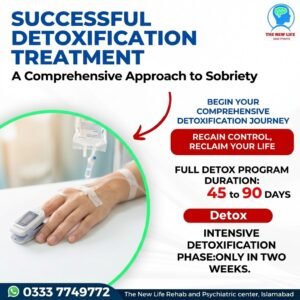
Medical Detoxification
Detoxification is often the first stage of treatment. During this process, individuals receive medical supervision while their bodies adjust to the absence of drugs or alcohol. Proper detox management helps reduce withdrawal-related risks and discomfort.
Individual Counseling
One-on-one counseling provides a confidential space for individuals to explore the causes of addiction, identify triggers, and develop healthier coping strategies.
Cognitive Behavioral Therapy (CBT)
Cognitive Behavioral Therapy is a widely recognized treatment approach that helps individuals identify harmful thought patterns and replace them with healthier behaviors that support long-term recovery.
Group Therapy
Group sessions encourage peer support, accountability, and shared learning among individuals working toward recovery.
Family Support and Counseling
Family involvement can play a valuable role in the recovery process by improving communication, rebuilding trust, and creating a supportive environment.
At Nishan Rehab Addiction Treatment Center, Islamabad, Pakistan, treatment approaches may be tailored to the individual’s unique circumstances, recovery goals, and clinical needs.
Relapse Prevention and Long-Term Recovery
Recovery is a continuous process that extends beyond initial treatment. Long-term success often depends on maintaining healthy habits and receiving ongoing support.
Important relapse prevention strategies include:
- Identifying personal triggers
- Building healthy coping mechanisms
- Practicing stress management techniques
- Participating in ongoing counseling
- Maintaining supportive relationships
- Following structured recovery plans
Developing resilience and self-awareness can help individuals navigate challenges and maintain progress over time.
Why Early Intervention Matters
Seeking treatment at an early stage can reduce the risk of serious physical, emotional, and social consequences associated with addiction. Early intervention often improves recovery outcomes and allows individuals to regain stability before substance use causes more severe complications.
Professional assessment and evidence-based treatment can help individuals make informed decisions about their recovery journey.
Frequently Asked Questions (FAQs)
1. What are the most common signs of drug and alcohol addiction?
Common signs include strong cravings, withdrawal symptoms, increased tolerance, mood changes, social withdrawal, and difficulty controlling substance use despite negative consequences.
2. Can addiction be successfully treated?
Yes. Addiction is a treatable condition. Recovery outcomes often improve when individuals receive professional treatment, counseling, and long-term support.
3. How long does addiction treatment usually take?
Treatment duration varies depending on the individual’s needs, the type of substance involved, and the severity of addiction. Recovery is often an ongoing process that continues beyond formal treatment.
4. Is family involvement important during recovery?
Family support can be highly beneficial. Counseling and education can help family members understand addiction and contribute positively to the recovery process.
5. What happens during a medical detox program?
Medical detox involves supervised withdrawal management, monitoring physical health, and helping individuals safely transition into the next phase of treatment.
Conclusion
Drug and Alcohol Addiction in Islamabad, Pakistan continues to affect individuals and families across the region, highlighting the importance of awareness, early intervention, and access to professional care. Addiction is a complex health condition that requires a comprehensive approach addressing both physical dependence and psychological well-being. Through medical support, counseling, therapeutic interventions, and ongoing recovery planning, individuals can work toward healthier and more stable lives. Nishan Rehab Addiction Treatment Center, Islamabad, Pakistan, recognizes the importance of individualized care and evidence-based treatment in supporting people on their path to recovery and long-term wellness.