Treatment Programs in Islamabad, Pakistan are essential for individuals seeking professional support for addiction, mental health disorders, and co-occurring conditions. Effective treatment goes beyond addressing symptoms—it focuses on understanding the underlying causes of emotional distress, substance dependence, and behavioral challenges while helping individuals develop the skills needed for long-term recovery.
Every person’s recovery journey is unique. Factors such as the type of addiction, mental health condition, medical history, family support, and personal goals all influence the treatment process. At The New Life Rehab & Psychiatric Center Islamabad, Pakistan, treatment programs are designed to provide structured, evidence-informed care that supports both physical and psychological well-being.
Understanding Treatment Programs in Islamabad, Pakistan
Treatment programs are organized plans of care that combine medical, psychological, and therapeutic services to help individuals recover from addiction and mental health conditions. These programs are typically personalized following a comprehensive clinical assessment to ensure that care aligns with each individual’s needs.
Treatment may be beneficial for people experiencing:
- Drug addiction
- Alcohol addiction
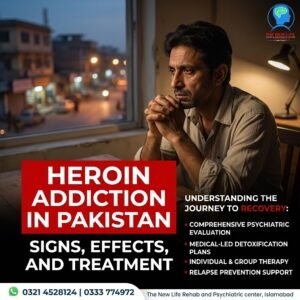
- Heroin addiction
- Cannabis and marijuana addiction
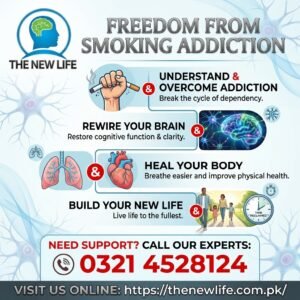
- Smoking and nicotine addiction
- Depression
- Anxiety disorders
- Bipolar disorder
- Trauma and PTSD
- Dual diagnosis (mental health conditions alongside substance use disorders)
A comprehensive approach recognizes that successful recovery often requires addressing both physical health and emotional well-being.
Comprehensive Assessment and Individualized Care
The first step in any treatment program is a detailed assessment. Healthcare professionals evaluate medical history, mental health, substance use patterns, lifestyle factors, and recovery goals to develop an individualized treatment plan.
Personalized treatment helps ensure that therapies are appropriate for each person’s circumstances rather than relying on a one-size-fits-all approach.
Medical Detoxification
For individuals with substance dependence, detoxification is often the initial phase of treatment. During medically supervised detox, healthcare professionals monitor withdrawal symptoms and provide appropriate care to support safety and comfort.
Medical detox may be recommended for dependence involving:
- Alcohol
- Heroin
- Opioids
- Prescription medications
- Other addictive substances
Detoxification prepares individuals for the next stages of rehabilitation but is only one part of the overall recovery process.
Individual Counseling
Individual counseling allows patients to work privately with trained professionals to better understand the emotional, behavioral, and psychological factors contributing to addiction or mental health challenges.
Counseling sessions may focus on:
- Identifying personal triggers
- Building healthy coping skills
- Managing stress
- Setting recovery goals
- Improving emotional resilience
Regular counseling provides valuable support throughout the recovery journey.
Cognitive Behavioral Therapy (CBT)
Cognitive Behavioral Therapy (CBT) is one of the most widely used evidence-based approaches for treating addiction and mental health conditions. CBT helps individuals recognize unhelpful thought patterns and behaviors while developing healthier ways of responding to life’s challenges.
CBT is commonly used to support treatment for:
- Anxiety
- Depression
- Substance use disorders
- Trauma-related conditions
- Stress management
Group Therapy and Peer Support
Group therapy offers individuals the opportunity to connect with others who are facing similar challenges. Sharing experiences in a professionally guided setting can reduce feelings of isolation while encouraging accountability and mutual support.
Group sessions often focus on:
- Communication skills
- Emotional regulation
- Recovery education
- Relapse prevention
- Problem-solving strategies
Family Support and Counseling
Addiction and mental health conditions affect entire families. Family counseling can help improve communication, strengthen relationships, and educate loved ones about recovery.
Family participation may help:
- Rebuild trust
- Improve understanding
- Develop healthy boundaries
- Encourage long-term recovery
- Strengthen emotional support systems
Family involvement is often an important component of comprehensive care.
Dual Diagnosis Treatment
Some individuals experience both substance use disorders and mental health conditions simultaneously. This is known as dual diagnosis.
Integrated treatment addresses both conditions together, helping reduce the risk of relapse while supporting overall emotional and psychological recovery.
Examples include:
- Depression with alcohol addiction
- Anxiety with drug dependence
- PTSD with opioid addiction
- Bipolar disorder with substance misuse
Relapse Prevention and Aftercare
Recovery continues long after formal treatment ends. Relapse prevention planning helps individuals prepare for everyday challenges while maintaining long-term progress.
Aftercare may include:
- Ongoing counseling
- Follow-up psychiatric care
- Support groups
- Family involvement
- Lifestyle planning
- Stress management techniques
Developing practical coping strategies and maintaining regular support can contribute to sustained recovery.
At The New Life Rehab & Psychiatric Center Islamabad, Pakistan, ongoing recovery planning is recognized as an important part of comprehensive treatment.
Frequently Asked Questions (FAQs)
1. What conditions can treatment programs help manage?
Treatment programs can support individuals with substance use disorders, depression, anxiety, trauma-related conditions, bipolar disorder, and other mental health concerns.
2. Are treatment programs personalized?
Yes. Treatment plans are generally developed after a professional assessment to address each individual’s specific medical, psychological, and recovery needs.
3. What is the purpose of medical detoxification?
Medical detox helps individuals safely manage withdrawal symptoms while preparing them for continued rehabilitation and therapy.
4. Why is family involvement important during treatment?
Family support can improve communication, strengthen relationships, encourage treatment participation, and contribute to long-term recovery.
5. What happens after completing a treatment program?
Many individuals continue with aftercare services such as counseling, follow-up appointments, support groups, and relapse prevention planning to help maintain recovery.
Conclusion
Treatment Programs in Islamabad, Pakistan provide structured, evidence-informed care for individuals experiencing addiction, mental health disorders, and dual diagnosis conditions. Recovery is a gradual process that often requires medical care, psychological support, counseling, family involvement, and long-term planning. Early intervention and individualized treatment can help people develop healthier coping strategies and improve their overall quality of life. The New Life Rehab & Psychiatric Center Islamabad, Pakistan is committed to providing comprehensive treatment programs that focus on compassionate care, professional support, and long-term recovery while respecting the unique needs of every individual.