When a person decides to stop taking an addictive substance, drug detoxification is often the first significant step. Drug Detoxification in Pakistan aids in the managing of withdrawal whilst your body repairs itself and become adjusted to living with less or no substance. But detox is more than just halting drugs. Withdrawal can range from uncomfortable to medically dangerous, depending on the substance and how long it has been used, as well as the health of the person.
Safe detox starts with proper assessment followed by matching addiction treatment. The New Life Rehab & Psychiatric Center Islamabad, Pakistan offers structure for people and families who are working to overcome substance use as a means of recovery.
What Is Drug Detoxification?
Drug detoxification, simply known as addiction detox, refers to the complete procedure of clearing a substance from the body while monitoring and managing withdrawal symptoms.
With regular use, the body & brain adapts to that presence of drugs. And thus, abruptly discontinuation can lead to not just physical but also psychological symptoms.
Common withdrawal symptoms can include:
- Anxiety and irritability
- Sweating and shaking
- Nausea or vomiting
- Muscle aches
- Headaches
- Sleep problems
- Changes in appetite
- Strong drug cravings
- Low mood or restlessness
The type and severity of withdrawal is very much dependent on the substance.
Why Professional Assessment Matters
Our detoxes are not the same for everyone. A healthcare provider may assess the substance used, the amount and frequency of use, past withdrawal experiences, physical health, mental health status and other medications.
This evaluation determines whether an individual can get care through an outpatient program or whether they require residential or medically supervised treatment.
The Medical Necessity of Drug Detoxification
Certain types of withdrawal can even become serious. Long-term use of alcohol and some sedating drugs, such as benzodiazepines, can lead to potentially life-threatening withdrawal syndromes if their use is suddenly terminated.
Opioid withdrawal (opioid withdrawal syndrome), e.g. withdrawal from heroin or other opioids, is usually not immediately life-threatening in itself but can be severe and increase the risk of opioid relapse. Tolerance can drop during an opioid-free period, meaning someone who relapses by returning to a dosage they previously took could overdose.
Methamphetamine, for example, produces a severe “crash” marked by fatigue, sleep deprivation, movement changes and depression — not to mention significant cravings.
Long story short, the potential danger in detoxing alone.
What is Drug Detoxification — What Happens During Drug.
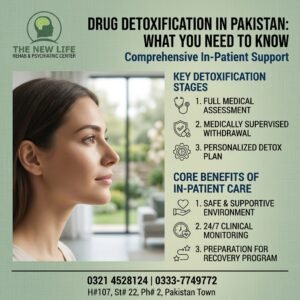
The detox process is unique to the individual and the drug in question. There could be multiple phases to the professional way in a program seniormost.
Initial Medical and Psychological Assessment
They may go over the following prior to withdrawal management beginning:
- Substance use history
- Current medications
- Physical health
- Mental health symptoms
- Previous treatment experiences
- Withdrawal history
- Risk of complications
The data guides what is developed for an individual plan.
Withdrawal Monitoring
Staff will monitor symptoms and overall health during detox. To detect complications early and to provide suitable supportive care.
In certain situations, medications can be used to address withdrawal or help avoid cravings. The choice is determined by the substance, personal history, and clinical judgement.
Emotional and Psychological Support
Detox can be emotionally difficult. This is easier said than done when anxiety, irritability, low mood and cravings are mixed in with the fact you have no idea what to do about work in future.
Supportive counseling can guide a person to understand what they are experiencing and how to prepare for the next step in recovery.
Addiction treatment is not detox
A big thing to get about Drug Detoxification in Pakistan is that detox does not address the addiction itself.
Detox refers to the physical process of quitting or reducing the number you use. Addiction treatment focuses on the underlying causes of addiction like trauma or mental illness and certain behaviors that lead to continued use.
Following detox, the treatment and aftercare may include:
- Individual counseling
- Behavioral therapy
- Group support
- Mental health treatment
- Family counseling
- Craving-management strategies
- Relapse-prevention planning
- Continuing or aftercare support
If the follow-up is not done and properly executed, the subject could stay with very good chances of return to use.
The Importance of Dual Diagnosis Treatment
Co-occurring disorders include depression, anxiety, trauma-related conditions or other mental health concerns in addition to substance use disorders.
In this situation, both diseases should be addressed in treatment. An example could be that an individual uses drugs to cope with mental distress, and the drug use itself is making their mental health worse.
Pinpointing these problems is the key to a more comprehensive recovery strategy.
Provide Family Support During Detox and Recovery
It is not just individuals — families are also impacted by addiction. Family members may feel anxious, angry and confused as to how best to respond.
Family members may be supportive in the following ways:
- Encouraging professional care
- Avoiding judgment and unnecessary confrontation
- Learning about addiction and withdrawal
- Supporting healthy routines
- Maintaining appropriate boundaries
- Watching for warning signs
- Encouraging continued treatment after detox
Something families need to keep in mind is that offering support does not mean doing everything for them in their recovery.
The Way to Choose a Drug Detox Center in Pakistan
Deciding on a detoxification facility is certainly not an easy task. An appropriate provider should focus on safety, individualized assessment and professional monitoring, and ongoing treatment rather than a quick fix.
Families may ask before selecting a facility:
- Is medical assessment available?
- How are withdrawal symptoms monitored?
- Is a mental health program addressed in the program?
- What happens after detox?
- Is counseling included?
- Is family support available?
- Relapse Prevention Neal — what is the plan?
- How are emergencies handled?
Those seeking structured addiction and detox-related treatment options can consider a center like The New Life Rehab & Psychiatric Center Islamabad, Pakistan for themselves or their loved ones.
Frequently Asked Questions
1. Is drug detoxification safe?
Detox is the safe place when treated with the right level of supervision. The safety of detoxing off particular substances, the risk of withdrawal, medical history and personal factors all make a difference.
2. Duration of Drug Detoxification.
There is no universal timeline. Withdrawal can be acute or chronic in onset and duration, depending on the drug and the pattern of use. Although these withdrawal symptoms are generally short-lived (usually lasting five to 10 days), others such as psychological craving for tobacco may still linger even longer.
3. While you may think of detoxing at home as an option.
Some individuals could potentially do well with outpatient withdrawal management, while others necessarily require medical supervision. This is true for alcohol, benzodiazepines and some other substances which have more serious withdrawal risks. This should always be assessed by a healthcare professional to determine the safest plan.
4. Why detox alone cannot cure addiction?
No, detox is usually just the first step in recovery and not a full treatment. This might include counseling, behavioral support, mental health care, relapse prevention, and aftercare.
5. What happens after detox?
Additionally, the individual will then be able to enter an appropriate addiction treatment program following detox. This can include a residential rehabilitation program, outpatient treatment, support groups/counseling, medication management for withdrawal symptoms and continued support from family members.
Conclusion
Drug detoxification In Pakistan, is significantly suitable for individuals wishing to impair the use of addictive substances. Due to the wide range in risk for withdrawal, a professional evaluation is necessary prior to starting any detox regimen.
The comprehensive plan should cover issues of cravings, behavior, mental health, family and relapse prevention in addition to withdrawal management. With proper care and ongoing support, recovery can be a real possibility with great meaning.
If you are looking for Professional help & support for Addiction in Islamabad (for Individuals and Families) then make sure to avail Quality Care Centre The New Life Rehab & Psychiatric Center Islamabad, Pakistan, who will provide Structured evidence-based treatment options tailored around ensuring your Recovery is the first priority.