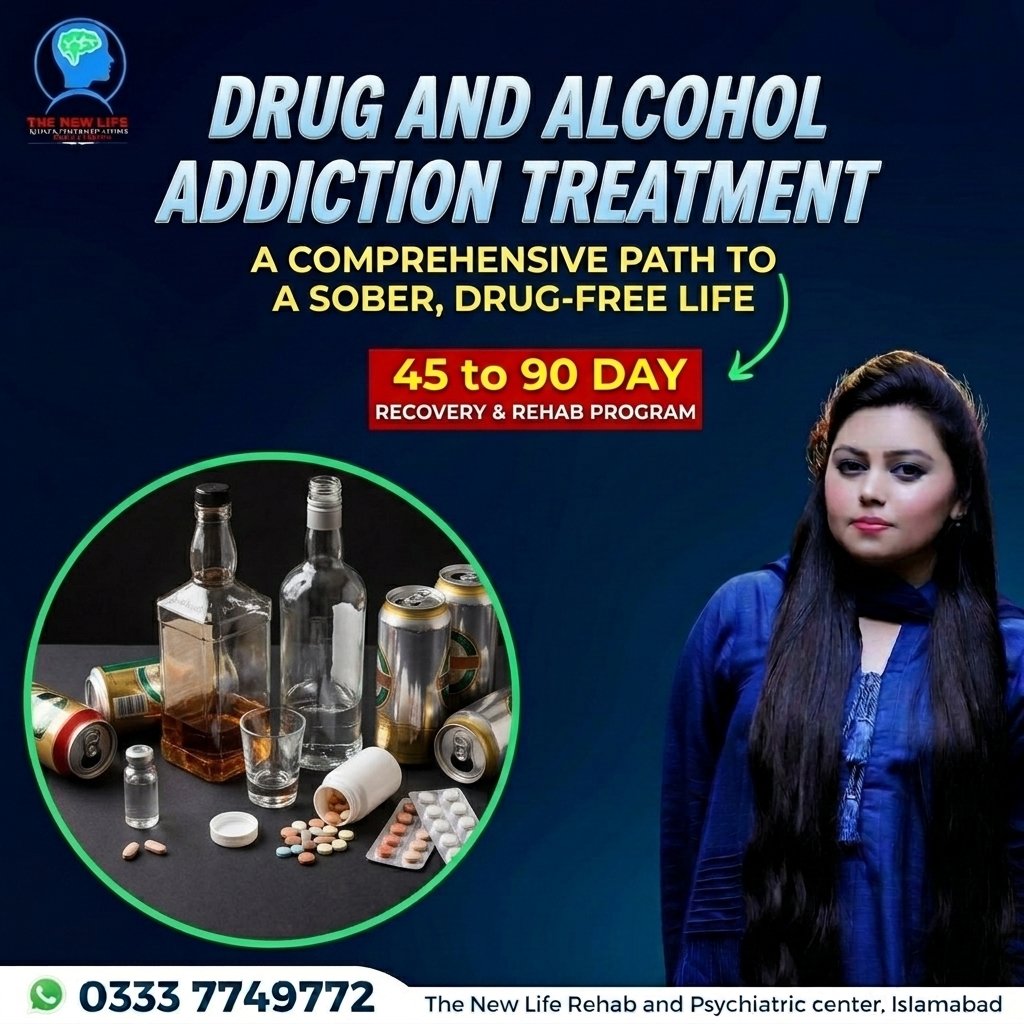
Drug and Alcohol Addiction in Islamabad, Pakistan continues to be a significant public health concern, affecting individuals, families, and communities across the country. Substance use disorders can impact physical health, mental well-being, relationships, education, employment, and overall quality of life. Whether addiction involves alcohol, heroin, cannabis, prescription medications, cocaine, methamphetamine, or other substances, early recognition and professional treatment can make a meaningful difference in the recovery process.
Addiction is a complex medical condition rather than a lack of willpower. It changes the brain’s chemistry, making it difficult for individuals to stop using substances without appropriate support. At The New Life Rehab & Psychiatric Center Islamabad, Pakistan, comprehensive treatment programs focus on addressing both the physical and psychological aspects of addiction while supporting long-term recovery through evidence-based care.
Understanding Drug and Alcohol Addiction in Islamabad, Pakistan
Drug and alcohol addiction is a chronic condition characterized by compulsive substance use despite harmful consequences. Over time, repeated use alters the brain’s reward system, creating intense cravings and physical dependence.
Substances commonly associated with addiction include:
- Alcohol
- Heroin
- Cannabis (Marijuana)
- Cocaine
- Crystal Meth (Ice)
- Prescription opioids
- Sedatives and sleeping pills
- Ecstasy (MDMA)
Each substance affects the body differently, but all have the potential to cause dependence when misused.
Signs and Symptoms of Drug and Alcohol Addiction
Recognizing the warning signs of addiction is essential for seeking timely help.
Physical Symptoms
- Increased tolerance to drugs or alcohol
- Withdrawal symptoms when not using
- Changes in appetite or weight
- Poor personal hygiene
- Sleep disturbances
- Frequent illness or fatigue
- Slurred speech or impaired coordination
Psychological Symptoms
- Anxiety or depression
- Mood swings
- Irritability
- Difficulty concentrating
- Loss of motivation
- Feelings of hopelessness
- Emotional instability
Behavioral Symptoms
- Neglecting responsibilities at home, work, or school
- Secretive behavior
- Financial difficulties
- Social isolation
- Risk-taking behaviors
- Continued substance use despite negative consequences
Early intervention often improves treatment outcomes and helps prevent further complications.
Causes and Risk Factors
Drug and alcohol addiction develops through a combination of biological, psychological, and environmental influences.
Mental Health Disorders
Conditions such as depression, anxiety, bipolar disorder, PTSD, and chronic stress can increase the likelihood of substance misuse.
Genetic Factors
A family history of addiction may increase a person’s vulnerability to developing substance use disorders.
Social and Environmental Influences
Peer pressure, trauma, family conflict, easy access to substances, and stressful life events can contribute to addiction.
Long-Term Substance Use
Repeated exposure to addictive substances gradually changes brain function, making quitting increasingly difficult without professional assistance.
Health Effects of Drug and Alcohol Addiction
Substance addiction can affect nearly every organ system and significantly impact mental health.
Physical Health Risks
- Liver disease
- Heart disease
- Respiratory problems
- Weakened immune system
- Kidney damage
- Increased risk of overdose
- Nutritional deficiencies
Mental Health Effects
Drug and alcohol addiction often contributes to:
- Depression
- Anxiety disorders
- Memory impairment
- Poor decision-making
- Emotional instability
- Increased stress
Many individuals experience both addiction and mental health disorders simultaneously, requiring integrated treatment.
Professional Treatment Options
Effective Drug and Alcohol Addiction in Islamabad, Pakistan treatment involves a comprehensive approach tailored to individual needs.
Comprehensive Assessment
Treatment begins with a detailed evaluation of medical history, mental health, substance use patterns, and personal recovery goals.
Medical Detoxification
Detoxification helps the body safely eliminate drugs or alcohol while managing withdrawal symptoms under medical supervision when necessary.
Individual Counseling
One-on-one counseling enables individuals to explore the underlying causes of addiction, develop healthier coping strategies, and strengthen motivation for recovery.
Cognitive Behavioral Therapy (CBT)
CBT is a well-established therapeutic approach that helps individuals recognize harmful thinking patterns, manage cravings, and prevent relapse.
Group Therapy
Group counseling provides peer support, encourages accountability, and allows individuals to share experiences in a structured therapeutic environment.
Family Support Programs
Family involvement can improve communication, rebuild trust, and create a supportive home environment that promotes long-term recovery.
At The New Life Rehab & Psychiatric Center Islamabad, Pakistan, treatment plans are personalized to address each individual’s physical, emotional, and psychological needs.
Relapse Prevention and Long-Term Recovery
Recovery does not end after completing treatment. Ongoing support and relapse prevention are important for maintaining progress.
Long-term recovery strategies include:
- Continuing therapy and counseling
- Recognizing personal triggers
- Building healthy daily routines
- Practicing stress management techniques
- Strengthening family and social support
- Participating in follow-up care
Recovery is a gradual process that requires commitment, professional guidance, and consistent support.
Frequently Asked Questions (FAQs)
1. What is drug and alcohol addiction?
Drug and alcohol addiction is a chronic condition in which individuals continue using substances despite harmful physical, emotional, or social consequences.
2. What are the common signs of addiction?
Common signs include strong cravings, withdrawal symptoms, mood changes, declining performance at work or school, social withdrawal, and inability to stop using substances.
3. Can addiction occur alongside mental health disorders?
Yes. Many individuals experience both addiction and mental health conditions such as anxiety, depression, or PTSD. This is commonly known as a dual diagnosis.
4. Why is professional treatment important?
Professional treatment provides structured care, counseling, medical support, and relapse prevention strategies that can improve recovery outcomes.
5. Can people recover from drug and alcohol addiction?
Yes. Recovery is possible with individualized treatment, ongoing support, therapy, healthy lifestyle changes, and long-term commitment to the recovery process.
Conclusion
Drug and Alcohol Addiction in Islamabad, Pakistan remains a significant healthcare challenge that affects individuals and families from all walks of life. Addiction is a treatable medical condition that requires compassionate care, professional assessment, and evidence-based treatment rather than judgment or stigma. Through comprehensive services such as medical detoxification, counseling, cognitive behavioral therapy, family support, and relapse prevention planning, individuals can work toward lasting recovery and improved well-being. The New Life Rehab & Psychiatric Center Islamabad, Pakistan is committed to providing personalized, ethical, and comprehensive care that supports individuals throughout every stage of their recovery journey while promoting long-term mental health and a healthier future.