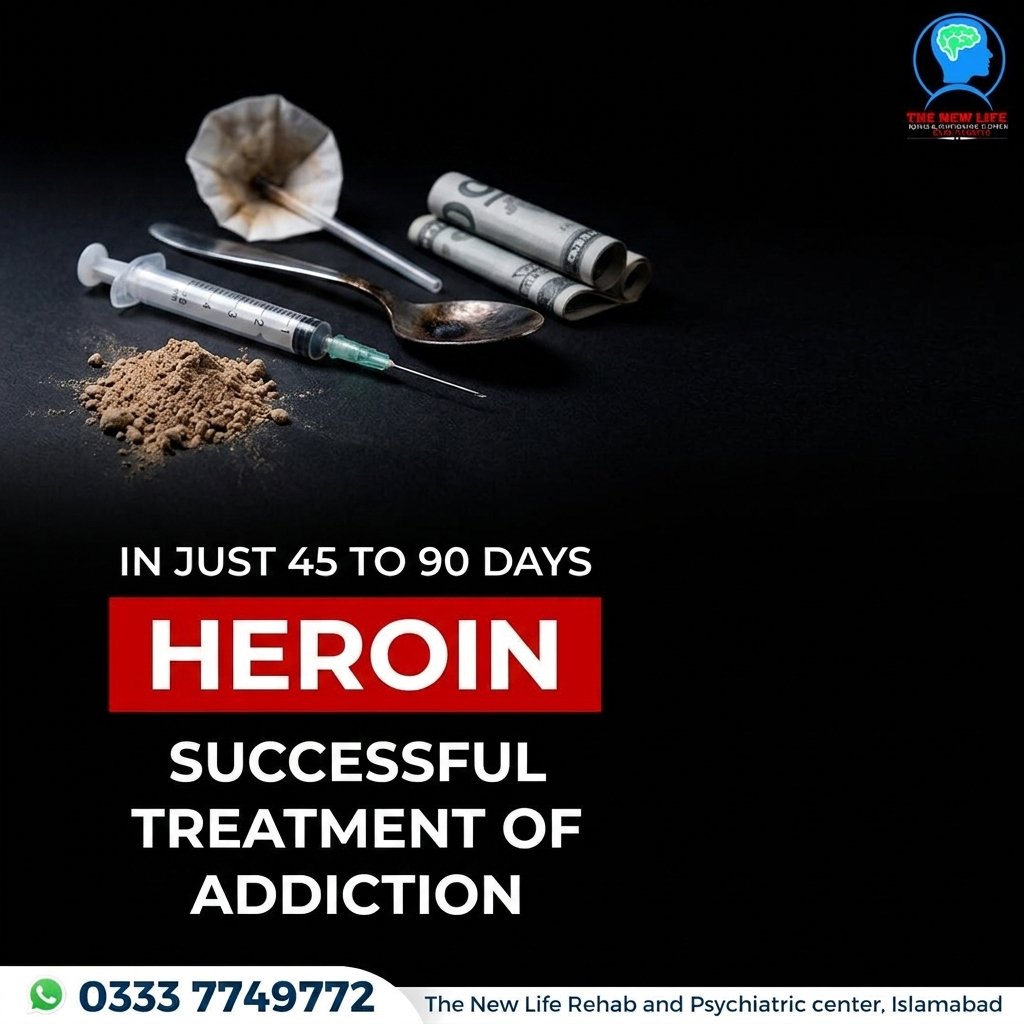
Heroin Addiction in Islamabad, Pakistan remains one of the most serious substance use challenges affecting individuals, families, and communities. Heroin is a powerful opioid that can rapidly lead to physical dependence and psychological addiction. As tolerance develops, individuals often require increasing amounts of the drug, raising the risk of overdose, severe health complications, and long-term emotional distress.
Heroin addiction is a medical condition that requires professional assessment and comprehensive treatment. Recovery involves more than simply stopping drug use—it includes addressing the physical effects of dependence, underlying psychological factors, and lifestyle changes that support long-term well-being. At The New Life Rehab & Psychiatric Center Islamabad, Pakistan, individualized treatment programs focus on helping individuals manage heroin dependence through evidence-based care, therapeutic support, and recovery planning.
Understanding Heroin Addiction in Islamabad, Pakistan
Heroin is an illegal opioid derived from morphine. It affects the brain’s opioid receptors, producing intense feelings of pleasure and relaxation. Repeated use changes the brain’s reward system, making it increasingly difficult to stop using the drug without professional support.
Individuals may use heroin by injection, smoking, or inhalation. Regardless of the method, prolonged use can lead to severe dependence and increase the likelihood of both physical and psychological complications.
As heroin addiction progresses, daily functioning, personal relationships, employment, education, and overall quality of life may be significantly affected.
Signs and Symptoms of Heroin Addiction
Recognizing the warning signs of heroin addiction can encourage early intervention and timely treatment.
Physical Symptoms
- Constricted (pinpoint) pupils
- Persistent drowsiness
- Slowed breathing
- Weight loss
- Poor personal hygiene
- Frequent fatigue
- Nausea or constipation
- Needle marks in individuals who inject heroin
Psychological Symptoms
- Anxiety
- Depression
- Mood swings
- Irritability
- Poor concentration
- Emotional instability
- Loss of motivation
Behavioral Symptoms
- Social withdrawal
- Secretive behavior
- Neglect of work, education, or family responsibilities
- Financial problems
- Risk-taking behaviors
- Continued heroin use despite harmful consequences
The severity of symptoms often increases as dependence becomes stronger.
Causes and Risk Factors
Heroin addiction develops through a combination of biological, psychological, and environmental influences.
Prescription Opioid Misuse
Some individuals begin with prescription pain medications before progressing to heroin because of increased tolerance or accessibility.
Mental Health Conditions
Depression, anxiety, trauma, and chronic stress may increase the risk of opioid misuse as individuals attempt to cope with emotional pain.
Social and Environmental Factors
Peer influence, unstable living environments, exposure to substance use, and stressful life experiences may contribute to heroin addiction.
Genetic Factors
A family history of substance use disorders may increase susceptibility to developing opioid dependence.
Understanding these factors helps healthcare professionals create personalized treatment plans.
Health Risks Associated with Heroin Addiction
Long-term heroin use can cause serious health complications affecting nearly every system of the body.
Physical Health Risks
- Respiratory depression
- Heart infections
- Liver disease
- Kidney complications
- Collapsed veins
- Increased risk of infectious diseases
- Malnutrition
- Higher risk of overdose
Mental Health Effects
Heroin addiction often contributes to:
- Depression
- Anxiety disorders
- Emotional instability
- Sleep disturbances
- Cognitive difficulties
Many individuals also experience co-occurring mental health disorders that require integrated treatment.
Professional Treatment for Heroin Addiction
Effective Heroin Addiction in Islamabad, Pakistan treatment involves a combination of medical care, counseling, and long-term recovery planning.
Comprehensive Assessment
Treatment begins with a detailed evaluation of the individual’s medical history, mental health, substance use pattern, and personal recovery goals.
Medical Detoxification
Detoxification is often the first stage of recovery. Medical supervision helps manage withdrawal symptoms safely while preparing individuals for ongoing treatment.
Withdrawal symptoms may include:
- Muscle aches
- Sweating
- Nausea
- Vomiting
- Restlessness
- Insomnia
- Anxiety
- Strong drug cravings
Individual Counseling
One-on-one counseling helps individuals understand the underlying causes of addiction, develop healthier coping strategies, and strengthen motivation for recovery.
Cognitive Behavioral Therapy (CBT)
CBT helps individuals identify negative thought patterns associated with heroin use while teaching practical skills to reduce relapse risk.
Family Counseling
Family involvement can improve communication, rebuild trust, and provide emotional support throughout the recovery process.
At The New Life Rehab & Psychiatric Center Islamabad, Pakistan, treatment plans are personalized according to each individual’s medical, psychological, and recovery needs.
Long-Term Recovery and Relapse Prevention
Recovery from heroin addiction is an ongoing journey that extends beyond initial treatment.
Long-term recovery strategies include:
- Continuing individual therapy
- Participating in follow-up counseling
- Identifying personal triggers
- Developing healthy daily routines
- Practicing stress management
- Strengthening family and community support
- Following individualized relapse prevention plans
Ongoing professional support can help individuals maintain progress and improve their quality of life.
Frequently Asked Questions (FAQs)
1. What is heroin addiction?
Heroin addiction is a chronic opioid use disorder characterized by compulsive heroin use despite harmful physical, emotional, or social consequences.
2. Why is heroin withdrawal difficult?
Heroin withdrawal can cause intense physical and psychological symptoms, making medical supervision beneficial during the detoxification process.
3. Can heroin addiction affect mental health?
Yes. Heroin addiction is commonly associated with depression, anxiety, emotional instability, and other mental health conditions that may require integrated treatment.
4. Is relapse common during heroin recovery?
Relapse can occur during recovery, which is why ongoing counseling, relapse prevention planning, and continued support are important parts of long-term treatment.
5. Can individuals recover from heroin addiction?
Yes. With comprehensive treatment, medical care, behavioral therapy, family support, and long-term recovery planning, many individuals make meaningful progress toward sustained recovery.
Conclusion
Heroin Addiction in Islamabad, Pakistan is a serious medical condition that requires compassionate, evidence-based treatment and long-term support. Because heroin affects both physical health and mental well-being, successful recovery often involves medical detoxification, counseling, behavioral therapy, family participation, and relapse prevention strategies. Seeking professional help early can improve recovery outcomes and reduce the risks associated with long-term opioid use. The New Life Rehab & Psychiatatric Center Islamabad, Pakistan is committed to providing individualized care that supports recovery, promotes emotional well-being, and helps individuals build healthier, more stable lives through comprehensive treatment and ongoing support.