The first step before treating substance use disorders is Detoxification. But professional drug detox involves the supervised process of allowing your body to remove alcohol, drugs, or other addictive substances from it while you also manage the often-uncomfortable drug withdrawal effects. While detox on its own is not a cure for addiction, it provides a stable platform on which ongoing treatment, therapy, and long-term recovery can be built.
For many people trying to quit drugs or alcohol, the withdrawal symptoms can be mild (but uncomfortable) to more severe medical complications. This makes professional detox an important part of staying safe and comfortable in early recovery.
Detoxification at The New Life Rehab & Psychiatric Center Islamabad, Pakistan is an essential part of a holistic rehabilitation process that combines respectful care with unique goals and the collaboration of patients in planning for long-term recovery.
What Is Detoxification?
Detoxification is the process through which the body removes itself of an addictive substance naturally and with medical supervision. When this happens a period of detox occurs where medics keep you in good physical shape both physically and mentally whilst also helping your recovery from the withdrawal symptoms.
You may be advised detoxification and rehabilitation for the following:
- Alcohol
- Heroin
- Methamphetamine (Ice)
- Cocaine
- Prescription opioids
- Benzodiazepines
- Cannabis (Marijuana)
Now the need for detox and the treatment approach will depend on what substance has been used, how long the drug has been taken, and general health of a person.
Why Detoxification Is Important
If someone is physically dependent on alcohol or drugs, stopping them can lead to withdrawal. Profession detoxification gives clinical supervision to decrease the risk factors and ease of use.
The possible advantages of supervised detoxification include:
- Safe management of withdrawal symptoms
- Continuous medical observation
- Emotional support during early recovery
- Preparation for ongoing addiction treatment
- Lowered probability of withdrawal complications
Detoxification should not be seen as the treatment, but rather the first step in recovery.
Common Withdrawal Symptoms
Withdrawal symptoms depend upon the substance abused and the health of the person.
Common symptoms may include:
- Anxiety
- Restlessness
- Sweating
- Nausea
- Muscle aches
- Sleep disturbances
- Mood changes
- Fatigue
- Cravings
Others — especially alcohol and certain prescription drugs — have more severe withdrawal symptoms that can be dangerous without the help of a doctor.
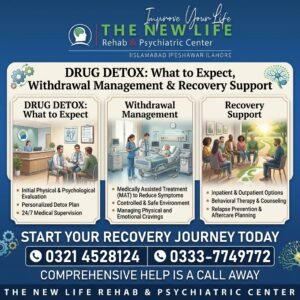
The Detoxification Process
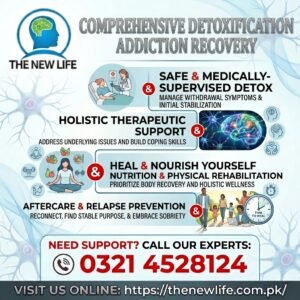
Initial Assessment
The first step in the treatment process is a thorough medical assessment. Medical records, history of use, current health and/or co-morbid psychiatric problems is reviewed by the healthcare workers.
Individualized Detox Plan
A detoxification plan tailored to the person’s needs is available, based on this evaluation.
Medical Monitoring
During detox, trained medical professionals track vital signs, withdrawal symptoms, hydration and nutrition status as well as general health and safety.
Emotional Support
The initial threshold of recovery is often an emotional struggle. Counselling and supportive care assist individuals to manage anxiety, uncertainty and demand while preparing them for the next step, treatment.
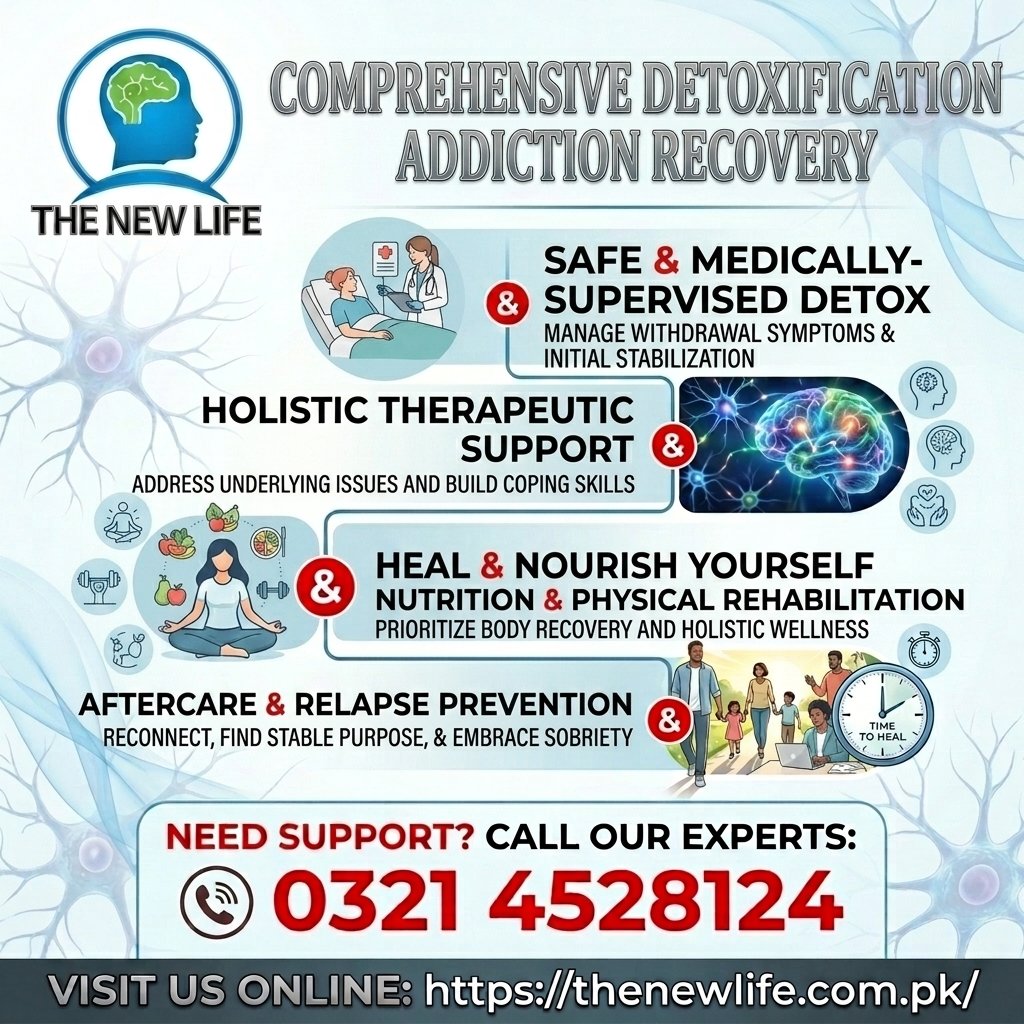
Detoxification is incorporated into a more comprehensive recovery program, establishing emotional therapy and care as part of our holistic process at The New Life Rehab & Psychiatric Center Islamabad, Pakistan.
Detoxification Is Only the Beginning
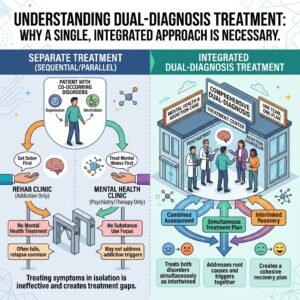
Detoxification is the process of removing harmful substances from the body, but it does not deal with any psychological, behavioral or emotional issues regarding addiction.
Long-term recovery often includes:
- Individual counseling
- Cognitive Behavioral Therapy (CBT)
- Group therapy
- Family counseling
- Mental health support
- Relapse prevention planning
Post-detox, continuing treatment will replenish the time required to learn all relevant coping skills so that people are less likely to resume using substances.
Family Influencing You While Detoxing
Drug addiction recovery not only takes a toll on you, but your family members also endure emotional stress as they help their loved one through the journey of recovering from drug abuse and alcoholism. For many families, education on this process is important to promote healthy types of encouragement during treatment.
Family involvement may contribute to:
- Improved communication
- Emotional reassurance
- Stronger support systems
- Better long-term recovery outcomes
Family involvement when indicated is incorporated into individualized treatment at The New Life Rehab & Psychiatric Center Islamabad, Pakistan.
Recovery After Detoxification
After completing detoxification, clients are advised to continue with treatment in structured rehabilitation and aftercare programs.
Recovery planning may include:
- Ongoing therapy sessions
- Lifestyle modification
- Stress management techniques
- Healthy daily routines
- Relapse prevention strategies
- Continued emotional support
Creating healthy habits and following through helps in your recovery long-term.
Frequently Asked Questions (FAQs)
1. What is detoxification?
This process is called detoxification, and it is the medically supervised process of removing alcohol, drugs or other addictive substances while also managing withdrawal symptoms.
2. What Is Detoxification and is it Sufficient For Treating Addiction.
No, detox is the beginning of your recovery. You know that the underlying causes of addiction are addressed through therapy, counseling and rehabilitation.
3. How long does detoxification take?
The length of stay varies widely depending on the substance, the severity of dependence and health status.
4. How to Manage Withdrawal Symptoms During Detox
Yes. During this process, healthcare providers observe withdrawal symptoms and offer supportive care to maximize safety and comfort.
5. Why is professional detoxification recommended?
By being properly supervised during withdrawal, the risks can be mitigated while individuals are getting readied for continuing addiction treatment and long-term recovery.
Conclusion
Detoxification is the first step for someone in recovery from substance dependence. Detox prepares the body for ongoing treatment, managing withdrawal symptoms safely.
Detoxification at The New Life Rehab & Psychiatric Center Islamabad, Pakistan is carried out with love and compassion, customized planning και with qualified medical supervision. Detoxification may be used as a first step to help people start on the road to safer and longer-lasting recovery along with counseling, behavioral therapies, support from family and peers and aftercare planning for clinicians to address their patients’ needs through more sustainable pathways that overlap and lead toward lasting progress in physical health or emotional wellness.