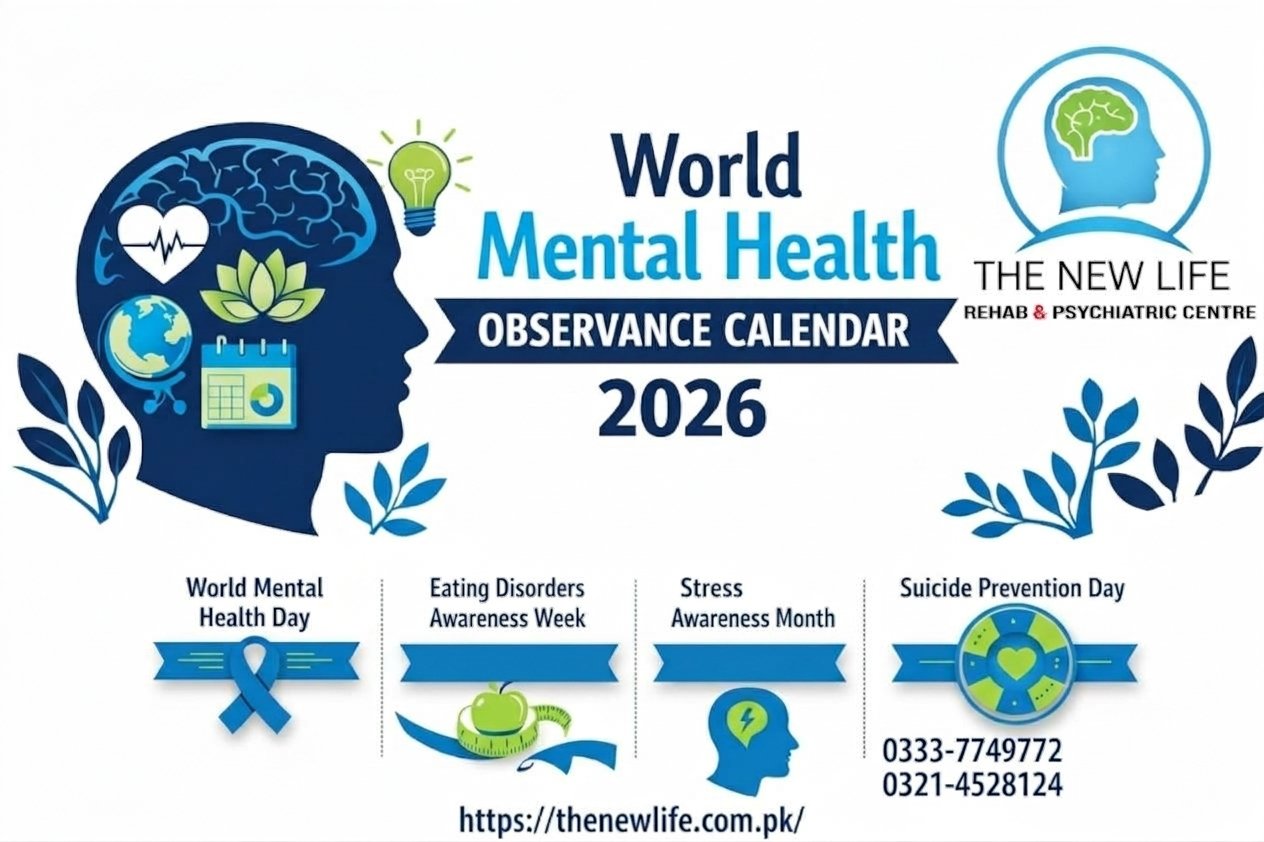
Mental health is an essential part of overall well-being. It influences how people think, feel, manage stress, build relationships, and respond to everyday challenges. Yet, many individuals hesitate to discuss emotional difficulties because of stigma, fear of judgment, or limited awareness of available support. World Mental Health Day provides an important opportunity to encourage open conversations, promote understanding, and remind people that mental health deserves the same attention as physical health.
Observed every year on October 10, World Mental Health Day encourages individuals, families, communities, and healthcare professionals to work toward better mental health awareness and access to appropriate support.
Why World Mental Health Day Matters
World Mental Health Day helps bring attention to psychological well-being and the challenges experienced by people living with mental health conditions. It also encourages communities to challenge harmful stereotypes and recognize that mental health difficulties can affect people from different backgrounds and stages of life.
The day highlights the importance of early support, accessible treatment, and respectful conversations. Mental health awareness should continue throughout the year, not only on October 10.
For communities in Islamabad and across Pakistan, greater awareness can help people recognize when they or someone they care about may benefit from professional guidance.
Understanding Mental Health
Mental health involves emotional, psychological, and social well-being. It can influence how individuals cope with stress, make decisions, maintain relationships, and participate in everyday life.
Experiencing stress, sadness, or worry from time to time is a normal part of life. However, persistent or severe symptoms that interfere with daily functioning may indicate a need for professional assessment.
Common mental health concerns include:
- Depression and persistent low mood
- Anxiety and excessive worry
- Trauma-related difficulties
- Stress and emotional exhaustion
- Mood-related conditions
- Sleep difficulties associated with psychological distress
- Mental health challenges occurring alongside substance use
Recognizing these concerns without judgment can help individuals seek appropriate support sooner.
Breaking the Stigma Around Mental Health
Stigma remains a barrier to mental health care in many communities. Some people worry that discussing their difficulties will lead to criticism, discrimination, or misunderstanding. Others may believe that emotional struggles should always be managed privately.
These attitudes can discourage people from seeking help when they need it.
World Mental Health Day encourages more compassionate conversations. Mental health conditions are not personal failures or signs of weakness. Listening respectfully, avoiding hurtful labels, and sharing accurate information can help create an environment where people feel safer asking for support.
Families, schools, workplaces, and community organizations all have a role in reducing stigma.
Recognizing When Someone May Need Support
Mental health difficulties do not look the same for everyone. Some individuals openly discuss their feelings, while others become withdrawn or attempt to hide their distress.
Possible warning signs include persistent sadness, excessive worry, changes in sleep or appetite, loss of interest in usual activities, difficulty concentrating, social withdrawal, or problems managing everyday responsibilities.
One symptom alone does not necessarily indicate a mental health condition. However, when changes persist, become severe, or interfere with daily life, speaking with a qualified healthcare professional can help clarify what is happening.
If someone expresses an immediate intention to harm themselves or another person, urgent professional or emergency assistance is important.
The Importance of Professional Mental Health Care
Mental health support can take different forms depending on an individual’s needs. Professional assessment helps identify concerns, understand contributing factors, and determine suitable treatment options.
Care may include psychological counseling, psychotherapy, psychiatric assessment, medication when clinically appropriate, family support, or continuing follow-up.
At The New Life Rehab & Psychiatric Center Islamabad, Pakistan, mental health concerns can be considered through an individualized approach that recognizes each person’s circumstances and support needs.
Seeking professional help does not mean that a person has failed to cope. It is a practical step toward understanding difficulties and exploring appropriate ways forward.
Mental Health and Addiction
Mental health concerns and substance-use problems can sometimes occur together. People experiencing anxiety, depression, trauma, or emotional distress may use alcohol or drugs in an attempt to cope. Substance use can also worsen existing psychological symptoms or contribute to new difficulties.
When both concerns are present, treatment planning may need to address mental health and addiction together. An integrated approach can help identify relevant triggers, develop healthier coping strategies, and provide appropriate continuing support.
Families should approach these situations with understanding while encouraging professional assessment and maintaining healthy boundaries.
How Families and Communities Can Help
Supportive relationships can make it easier for people to discuss their concerns and seek help. Families and communities can contribute by creating opportunities for respectful conversation and reducing the pressure to hide emotional difficulties.
Helpful actions include:
- Listening without judgment or immediate criticism
- Encouraging professional support when appropriate
- Sharing reliable mental health information
- Respecting personal privacy
- Avoiding stigmatizing language
- Supporting healthy routines and social connections
- Checking in regularly with people who may be struggling
Support does not require having all the answers. Sometimes, listening carefully and helping someone connect with appropriate care can be meaningful first steps.
Everyday Ways to Support Mental Well-Being
Daily habits can contribute to mental well-being, although they are not substitutes for professional treatment when needed.
Maintaining a regular sleep routine, engaging in suitable physical activity, eating balanced meals, staying connected with supportive people, and making time for relaxation may help people manage everyday stress.
Setting realistic goals and taking breaks when possible can also support emotional balance. Individuals experiencing persistent or severe symptoms should not feel that lifestyle changes alone must solve the problem.
Frequently Asked Questions
1. When is World Mental Health Day observed?
World Mental Health Day is observed every year on October 10 to promote awareness, encourage understanding, and highlight the importance of mental health support.
2. Why is World Mental Health Day important?
It helps reduce stigma, encourages open conversations, raises awareness of mental health challenges, and highlights the importance of appropriate care and support.
3. What are common signs of mental health difficulties?
Possible signs include persistent sadness, excessive worry, changes in sleep or appetite, withdrawal from others, loss of interest in usual activities, and difficulty managing everyday responsibilities.
4. When should someone seek professional mental health support?
Professional guidance may be helpful when symptoms persist, become severe, or affect relationships, work, education, sleep, or daily functioning. Immediate assistance is important when there is a risk of self-harm or another urgent safety concern.
5. How can families support mental health awareness?
Families can listen without judgment, avoid stigmatizing language, respect privacy, share accurate information, and encourage professional support when needed.
Conclusion
World Mental Health Day reminds us that mental well-being is an important part of a healthy and fulfilling life. Raising awareness, challenging stigma, recognizing warning signs, and encouraging appropriate professional support can help individuals and families respond to mental health concerns with greater understanding.
For people seeking guidance in Islamabad, The New Life Rehab & Psychiatric Center Islamabad, Pakistan recognizes the importance of individualized support for mental health and related addiction concerns. By promoting compassionate conversations and informed care, families and communities can help make mental health support easier to seek and discuss throughout the year.