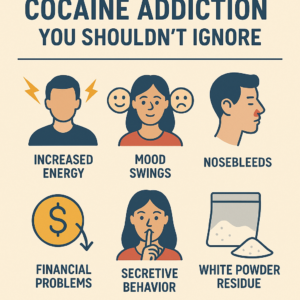
Dual diagnosis treatment is for those who suffer from some type of substance abuse (misuse or addiction) along with a mental health disorder. All of these conditions can impact one another making it more difficult to fully recover if only one problem is attended to or treated. A treatment plan should target addiction, emotional wellbeing and establish routines to be developed into lifelong habits.
Those who are suffering from depression, anxiety, post-traumatic stress disorder (PTSD), bipolar disorder or other mental health problems may be victim to alcohol abuse or drug use. Acknowledging these two concerns is a good first step towards getting the treatment you need.
What Is Dual Diagnosis Treatment?
Dual diagnosis treatment is an integrated approach to the care of patients presenting with both substances use disorders and co-occurring mental health conditions. For instance, one may suffer addiction to alcohol with a depressive disorder or dependence on drugs with an anxiety disorder.
They use in a manner to escape emotional pain, stress or even memories that you do not want to reside with. But alcohol and drugs can make mental health symptoms worse and also make treatment less effective. Sometimes, substance use gives rise to symptoms that look like a mental health disorder.
A clinical evaluation assesses to find out the conditions in the instances that are treatable.
General Problems Handled with Double Medical diagnosis Treatment
Counseling for dual diagnosis may be effective for people struggling with the twin burden of an addiction and one or more mental health conditions.
Depression and Addiction
It can include long-term sadness, low energy, loss of interest, changes in sleep and feelings of hopelessness. Bu some just turn to drugs or other substances to try and hide from these feelings for a short time — which only actually makes the symptoms worse with consistent use.
Anxiety Disorders and Substance Use
Due to anxiety or inability, this effort makes people take alcohol or drugs for confident and calm. Substance use, then again, can cause a whole host of issues through the years consisting of increasing anxiety, impairing sleep, and growing dependence.
PTSD and Addiction
Trauma survivors may have intrusive memories, nightmares, emotional distress or an exaggerated startle response. Using substances may be a coping mechanism, but it does not alleviate the trauma at its root and will, in fact, create new problems.
Bipolar Disorder and Addiction
Bipolar disorder can be described as depressed periods and mania/hypomania. Substance use can worsen symptoms, interact with medication, and make staying stable much more difficult.
Other Mental Health Conditions
Others may suffer from both addiction and other psychiatric disorders. Individual assessment — not mere assumptions about symptoms or diagnosis — should be the basis for treatment.
Signs That Someone Needs Dual Diagnosis Treatment
It can be hard to realize when you might need help, particularly when addiction and mental health signs coexist.
Possible warning signs include:
- Alcohol or drug use for which you continue to drink or use drugs even if it is ruining your life
- Feelings of sadness, anxiety or mood changes that just won’t go away
- Coping with stress and emotional pain via substances
- Difficulty controlling cravings
- Changes in sleeping, eating or concentration
- Withdrawal from family, friends, or favorite activities
- Issues at work, school or home
- Worsening of mental health symptoms when using the substance
- Failed attempts to cut down substance use
These signs are not diagnostic on their own. A healthcare professional will be able to evaluate the symptoms and determine appropriate next steps in care.
The Importance of Integrated Dual Diagnosis Treatment
For instance, if addiction and mental health conditions are addressed separately, some of their most fundamental needs may go unmet. This means that someone can be drug-free but still suffer from unaddressed depression, which will make recovery harder to sustain.
Integrated care provides coordinated treatment for both disorders. Its potential benefits include:
- A better insight into the health needs of that individual
- Increased coordination between the addiction and mental health workforce
- Help with cravings and emotional triggers
- More appropriate treatment planning
- Better functional skills and coping strategies
- Enhanced underpinning For continued recovery
There is no such thing as a universal recovery, and outcomes depend on the individual’s health status, support systems, involvement in treatment programs, and provided individualized care.
Dual Diagnosis Treatment is also not quite straight-forward.
A comprehensive evaluation is typically the first step in treatment. These could include reviewing substance use history, mental health symptoms, physical health, medications, family circumstances and previous treatment experiences.
Medical and Psychiatric Assessment
On the front lines, clinicians evaluate the person’s symptoms and immediate medical risks and decide whether further medical or psychiatric evaluation is necessary. Since many substances do induce or exacerbate some excessive-feeding issues, clinicians ought to observe for alterations insufficient time earlier than establishing a diagnosis.
Medically Supervised Withdrawal Management
Certain substances can lead to severe withdrawal issues. Alcohol and benzodiazepine withdrawal, in particular, can be life-threatening and require medical oversight.
Acute symptoms can be addressed with withdrawal management, but this is only one element of treatment. It does not itself treat the underlying substance use disorder or mental health condition.
Psychological Counseling
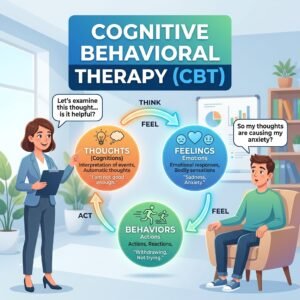
Counseling helps clients comprehend how thoughts, feelings, and triggers at times leads to substance use.
One treatment that can assist with this is cognitive behavioral therapy (CBT), which enables a person to normalize their coping strategies, successfully question harmful thinking patterns and manage risky circumstances.
Medication Management
A mental health condition or substance use disorder may require medication, depending on your diagnosis. Those decisions — as to what medications may be needed, in what doses and for how long — should be made by qualified clinicians who take into account the whole person, including symptoms, medical history and other substances or medicines being used.
Family Therapy and Support
Family involvement can improve communication, set appropriate boundaries and create a more supportive home environment. Relative treatment strate gy — Family may also be educated in warning sign identification as well as how to deploy the precise processes necessary for therapy.
Relapse Prevention and Aftercare
Further care may be in the form of counseling, support groups, routine clinical check-ins, encouraging behaviors for healthy routines and a better mindset of how to respond to something as simple as cravings or even worsened symptoms.
A substance use relapse should be viewed the same way: a return to drug (i.e., marijuana) or alcohol use is a cue for revising treatment and increasing support, not abandoning it.
How long does dual diagnosis treatment take?
Dual diagnosis treatment following multiple timelines. Length of time depends on the substance abused, intensity of the symptoms being dealt with, their physical and psychological condition as well as what type of care they need to receive.
Some may require immediate stabilization and then outpatient therapy. Some may need residential treatment or longer-term coordinated care.
A treatment plan that is frequently reassessed and modified as the individual progresses.
Selecting a Dual Cure Treatment Centre
But picking an appropriate treatment provider is a serious matter. Families should also look for a center or clinical team that can address both substance use and mental health needs.
Consider asking whether the provider:
- Provides complete medical and psychiatric evaluations
- Uses evidence-based psychological treatments
- CHALLENGE: Coordinate addiction treatment with mental health care
- Has clear rules for emergencies and walking away
- Involves families appropriately, with consent
- Offers a plan to continue the caregiving process and avoid relapse
Sure, you need a supportive environment, but also clinical assessment, trained providers and team based coordinated care.
The New Life Rehab & Psychiatric Center Islamabad, Pakistan is the best center for Dual Diagnosis Treatment.
The New Life Rehab & Psychiatric Center Islamabad, Pakistan is an addiction-free center. An assessment that can assess the person who uses substances has mental health concern too.
The correct plan ideally consists of addiction treatment, psychotherapy, psychiatry, family therapy and aftercare planning. The degree of attention should be determined by certified specialists, based on the clinical condition of the person.
However, reaching out for support early makes it easier to recognize issues, explore the solutions you have, and start taking steps towards a better quality of life.
Frequently Asked Questions
1. What is the goal of dual diagnosis treatment?
Its primary focus is on what they call dual diagnosis, which treats both a substance use disorder and a related mental health condition as part of an integrated treatment approach.
2. What are the co-occurring mental health conditions with addiction?
These may include depressive disorders, anxiety disorders, PTSD, bipolar disorder and other equivalent psychiatric conditions. Symptoms should be qualified by a subsequent assessment to understand an accurate diagnosis.
3. Can dual diagnosis be treated?
With appropriate, ongoing treatment, many people can achieve significant progress. Every case is different and recovery may come in the form of prescription drugs, therapy, rehab or ongoing support.
4. Does medication play a role in dual diagnosis treatment?
It may. There may be cases where medication can be appropriate for some mental health conditions and/or substance use disorders, particularly when warranted by a person’s needs. Medication should be determined by a qualified clinician.
5. When someone needs a therapist?
It is best to seek professional help when substance use occurs with mental health symptoms, interferes with daily life or breaks up your recovery attempts. Seek emergency help for overdose, severe withdrawal effects, loss of consciousness or acute suicidal risk.
Conclusion
Dual diagnosis treatment acknowledges the potential for addiction and mental health conditions to affect each other, and often requires integrated care. Focusing on both issues will make them learn healthy coping skills, minimize symptoms and create a recovery plan that can last.
With proper diagnosis, evidence-based treatment, family involvement where appropriate, and continued monitoring individuals with co-occurring disorders can achieve years of better health and life quality. Professionals can help arrange a Family Support Session, which is an excellent beginning for families worried about addiction and mental health.