A Smoking Addiction Program in Islamabad, Pakistan can provide structured professional support for individuals who want to stop smoking and overcome nicotine dependence. Smoking is more than a habit for many people; repeated exposure to nicotine can lead to dependence, making it difficult to quit even when a person understands the associated health risks. Nicotine cravings, withdrawal symptoms, stress, social routines, and emotional triggers can all make quitting challenging.
A supportive treatment approach can help individuals understand their smoking patterns, identify triggers, develop healthier coping strategies, and work toward long-term tobacco cessation. The New Life Rehab & Psychiatric Center Islamabad, Pakistan focuses on individualized care that considers each person’s physical health, psychological needs, lifestyle, and recovery goals.
Understanding Smoking Addiction in Islamabad, Pakistan
Smoking addiction is primarily driven by nicotine dependence. Nicotine affects the brain’s reward system and can create repeated cravings for tobacco. Over time, individuals may find themselves smoking automatically in response to stress, boredom, social situations, or established daily routines.
Smoking may involve cigarettes, cigars, or other tobacco products. Some people also develop dependence on nicotine through other products. Regardless of the form, professional support can be useful when repeated attempts to quit have been unsuccessful.
A Smoking Addiction Program in Islamabad, Pakistan aims to address both the physical dependence on nicotine and the behavioral patterns associated with smoking.
Common Signs of Nicotine Dependence
Recognizing nicotine dependence can be the first step toward seeking support.
Common signs include:
- Strong cravings for cigarettes or nicotine
- Difficulty reducing or stopping smoking
- Smoking soon after waking
- Feeling restless or irritable when unable to smoke
- Continuing to smoke despite health concerns
- Spending significant time obtaining or using tobacco
- Returning to smoking after previous quit attempts
- Using smoking to manage stress or difficult emotions
The severity of dependence differs from person to person, so treatment should be based on an individual’s circumstances.
Why Quitting Smoking Can Be Difficult
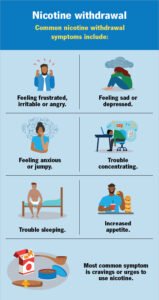
Many people want to quit smoking but find it difficult to maintain abstinence. Nicotine withdrawal can produce uncomfortable symptoms, while established routines can create powerful behavioral triggers.
Withdrawal may involve:
- Irritability
- Anxiety
- Restlessness
- Difficulty concentrating
- Increased appetite
- Sleep problems
- Strong nicotine cravings
- Low mood
These symptoms generally change over time, but their intensity varies between individuals. Professional guidance can help people prepare for these challenges and develop practical strategies for managing them.
Benefits of a Professional Smoking Addiction Program
A structured program can provide more than simple advice to stop smoking.
Individualized Assessment
Treatment begins with understanding the person’s smoking history, nicotine dependence, previous quit attempts, lifestyle, and relevant physical or psychological factors.
Trigger Identification
Counseling can help individuals identify situations that increase the urge to smoke, such as stress, social gatherings, workplace routines, or particular times of day.
Behavioral Support
Individuals can learn practical methods for replacing smoking-related routines with healthier behaviors.
Emotional Support
Stress, anxiety, depression, and other emotional challenges can make quitting more difficult. Addressing these factors can support a more comprehensive cessation plan.
At The New Life Rehab & Psychiatric Center Islamabad, Pakistan, treatment planning is individualized rather than based on a single approach for every person.
Counseling and Behavioral Therapy
Behavioral counseling is an important part of many smoking cessation programs. It helps individuals understand the connection between thoughts, emotions, situations, and smoking behavior.
Therapeutic strategies may include:
- Identifying personal smoking triggers
- Developing craving-management techniques
- Challenging unhelpful thought patterns
- Creating alternative daily routines
- Learning stress-management skills
- Preparing for high-risk situations
- Developing a personalized quit plan
Cognitive Behavioral Therapy (CBT) may also be considered when clinically appropriate, particularly when emotional or behavioral factors contribute to nicotine dependence.
Managing Cravings and Preventing Relapse
Cravings can occur even after an individual has stopped smoking. Recognizing this possibility helps people prepare rather than become discouraged.
Useful strategies may include:
- Delaying the decision to smoke
- Changing environments associated with smoking
- Engaging in physical activity
- Practicing relaxation techniques
- Drinking water
- Keeping hands occupied
- Seeking support from trusted people
- Following an individualized cessation plan
A return to smoking does not necessarily mean that recovery has failed. It can provide information about triggers and areas where additional support may be needed.
Smoking Addiction and Mental Health
Nicotine dependence can coexist with mental health concerns such as anxiety, depression, or chronic stress. Some individuals may believe that smoking helps them manage difficult emotions, even though nicotine dependence can create its own cycle of cravings and withdrawal.
For individuals experiencing co-occurring mental health concerns, an integrated assessment can help ensure that emotional well-being is considered alongside smoking cessation.
Family Support During Smoking Cessation
Family members can contribute positively by providing encouragement without criticism or unnecessary pressure. A supportive environment can make it easier for an individual to follow a quit plan and manage difficult periods.
Families can help by:
- Respecting the individual’s treatment plan
- Avoiding judgment
- Encouraging healthy activities
- Helping reduce smoking-related triggers
- Offering emotional encouragement
- Recognizing progress
Frequently Asked Questions (FAQs)
1. What is a Smoking Addiction Program?
A Smoking Addiction Program is a structured approach to helping individuals overcome nicotine dependence through assessment, counseling, behavioral strategies, and ongoing support.
2. Why is quitting smoking difficult?
Nicotine can cause physical dependence, while established habits and emotional triggers can reinforce smoking behavior. Withdrawal symptoms may also make quitting challenging.
3. Can counseling help with smoking addiction?
Yes. Behavioral counseling can help individuals identify triggers, manage cravings, develop healthier routines, and prepare for challenging situations.
4. Can mental health affect smoking cessation?
Yes. Stress, anxiety, depression, and other emotional concerns may influence smoking behavior. Addressing these factors can be an important part of individualized cessation support.
5. What should someone do after returning to smoking?
A return to smoking can be treated as an opportunity to identify triggers and reassess the cessation plan. Professional guidance can help determine what additional support may be useful.
Conclusion
A Smoking Addiction Program in Islamabad, Pakistan can provide valuable professional support for individuals seeking to overcome nicotine dependence and establish healthier routines. Successful smoking cessation may require more than willpower; understanding nicotine dependence, managing withdrawal, identifying behavioral triggers, addressing emotional factors, and developing relapse-prevention strategies can all contribute to the process. The New Life Rehab & Psychiatric Center Islamabad, Pakistan emphasizes individualized and compassionate care designed around each person’s needs, circumstances, and recovery goals. With appropriate support and a structured approach, individuals can work toward breaking the cycle of nicotine dependence and developing a healthier, smoke-free lifestyle.