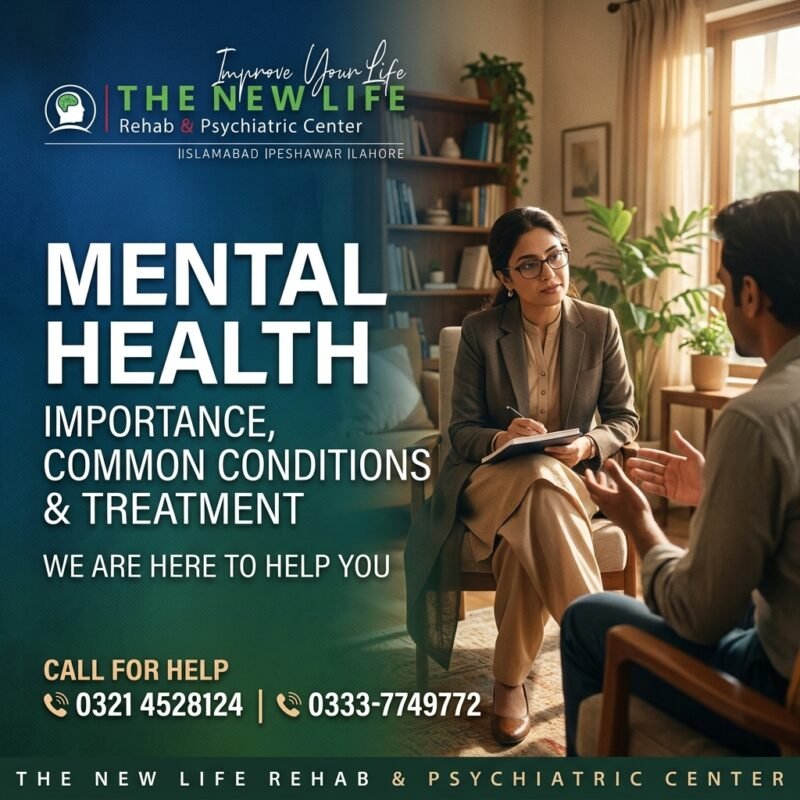
Mental health is an essential part of overall well-being. It affects how people think, feel, communicate, manage stress, and respond to everyday challenges. Good mental health can support healthy relationships, effective decision-making, and daily functioning. However, emotional distress and mental health conditions can affect anyone, regardless of age, background, or circumstances.
Understanding Mental Health: Importance, Common Conditions, and Treatment helps individuals and families recognize concerns, challenge stigma, and identify appropriate support. With greater awareness and access to professional care, people can better understand their mental health needs and explore suitable treatment options.
Why Mental Health Is Important
Mental health influences many aspects of everyday life, including relationships, education, work, physical health, and personal development. When emotional well-being is affected, people may find it more difficult to concentrate, manage responsibilities, sleep comfortably, or maintain social connections.
Mental well-being does not mean feeling happy all the time. Everyone experiences stress, sadness, frustration, and uncertainty. The important consideration is how these experiences affect a person’s life and whether they become persistent or overwhelming.
Recognizing mental health as part of overall health can encourage people to seek support without feeling ashamed or believing they must manage every difficulty alone.
Common Mental Health Conditions
Mental health conditions vary in their symptoms, causes, and treatment needs. Some of the more common concerns include the following.
Depression
Depression involves persistent low mood or a loss of interest in activities that were previously enjoyable. Other symptoms may include low energy, changes in sleep or appetite, difficulty concentrating, feelings of worthlessness, or hopelessness.
When these symptoms persist or interfere with daily life, professional assessment can help determine whether depression or another concern may be involved.
Anxiety Disorders
Anxiety is a normal response to certain situations, but excessive or persistent anxiety can interfere with everyday activities. People may experience ongoing worry, restlessness, difficulty concentrating, physical tension, or panic symptoms.
Treatment depends on the type and severity of the symptoms and may involve psychological therapy, medication when appropriate, or a combination of approaches.
Stress and Trauma-Related Difficulties
Stress can develop in response to work pressures, family challenges, financial concerns, loss, or major life changes. Traumatic experiences may also contribute to persistent fear, distressing memories, sleep difficulties, or avoidance of reminders.
Professional support can help individuals understand these experiences and develop appropriate coping strategies.
Bipolar and Other Mood Disorders
Mood disorders can involve significant changes in emotional state, energy, sleep, and activity levels. Bipolar disorder, for example, can include episodes of depression and periods of unusually elevated or irritable mood.
Accurate assessment by a qualified professional is important because symptoms can overlap with other conditions and require different treatment approaches.
Mental Health Concerns and Addiction
Mental health difficulties and substance-use disorders can occur together. Some individuals use drugs or alcohol in an attempt to manage emotional distress, while substance use may also worsen existing psychological symptoms.
When both concerns are present, treatment planning may need to address mental health and addiction together.
Recognizing Signs That Support May Be Needed

Mental health difficulties do not look the same for everyone. Possible warning signs include:
- Persistent sadness, worry, or irritability
- Significant changes in sleep or appetite
- Loss of interest in usual activities
- Withdrawal from family and friends
- Difficulty concentrating or completing daily tasks
- Changes in energy or motivation
- Increasing reliance on alcohol or drugs to cope
- Emotional distress that affects relationships or responsibilities
These signs do not automatically confirm a mental health condition. However, if symptoms persist, become severe, or interfere with everyday life, professional assessment may be helpful.
Mental Health Treatment Options
Treatment should be based on a person’s symptoms, history, preferences, health, and individual circumstances. There is no single approach that is suitable for everyone.
Psychological Counseling and Therapy
Counseling provides a structured setting to discuss emotions, relationships, stressful experiences, and behavioral patterns. Cognitive Behavioral Therapy (CBT) is one approach that can help people identify unhelpful thought patterns and develop healthier ways to respond to challenges.
Other forms of therapy may be appropriate depending on the individual’s needs.
Psychiatric Assessment and Medication
A qualified psychiatrist can assess mental health symptoms and determine whether medication may be appropriate. When prescribed, medication should be monitored by a qualified professional.
Individuals should not start, stop, or change psychiatric medication without consulting their healthcare provider.
Family and Social Support
Supportive relationships can help people feel understood and less isolated. With the individual’s consent, family involvement may improve communication and help relatives understand how to offer practical support while maintaining healthy boundaries.
Lifestyle and Continuing Care
Regular sleep, suitable physical activity, balanced nutrition, meaningful social connections, and stress-management strategies can contribute to well-being. These habits can complement professional treatment but should not replace necessary clinical care.
Some people benefit from continuing appointments or longer-term support to manage recurring symptoms and maintain progress.
Finding Mental Health Support in Islamabad
Choosing appropriate mental health care involves considering professional qualifications, assessment procedures, treatment options, privacy practices, and follow-up arrangements. Individuals should feel able to ask questions and understand the purpose of their recommended treatment.
The New Life Rehab & Psychiatric Center Islamabad, Pakistan provides a setting for individuals and families to explore support for mental health and addiction-related concerns. An individualized approach is important because symptoms, personal circumstances, and treatment needs differ from one person to another.
If someone is at immediate risk of harming themselves or another person, seek urgent professional or emergency assistance.
Frequently Asked Questions
1. Why is mental health important?
Mental health influences emotional well-being, relationships, decision-making, stress management, and daily functioning. Supporting mental health is an important part of overall health.
2. What are the most common mental health conditions?
Common conditions include depression, anxiety disorders, trauma-related conditions, and mood disorders. Substance-use disorders may also occur alongside mental health difficulties.
3. When should someone seek mental health treatment?
Professional support may be appropriate when symptoms persist, become overwhelming, or interfere with sleep, relationships, work, education, or daily responsibilities.
4. Can mental health conditions be treated?
Many mental health conditions can be managed with appropriate care. Treatment may involve counseling, psychotherapy, psychiatric assessment, medication when indicated, and ongoing support. The best approach depends on the individual.
5. Can addiction and mental health conditions occur together?
Yes. Substance-use disorders and mental health conditions can occur together and influence one another. Professional assessment can help identify both concerns and guide an appropriate treatment plan.
Conclusion
Understanding Mental Health: Importance, Common Conditions, and Treatment can help individuals recognize emotional difficulties, challenge stigma, and seek suitable professional guidance. Depression, anxiety, trauma-related difficulties, mood disorders, and addiction-related concerns can affect everyday life, but support options are available.
At The New Life Rehab & Psychiatric Center Islamabad, Pakistan, individualized care can help people explore mental health and addiction-related support according to their needs. Open communication, appropriate assessment, professional treatment, and continuing support can all play an important role in maintaining mental well-being.