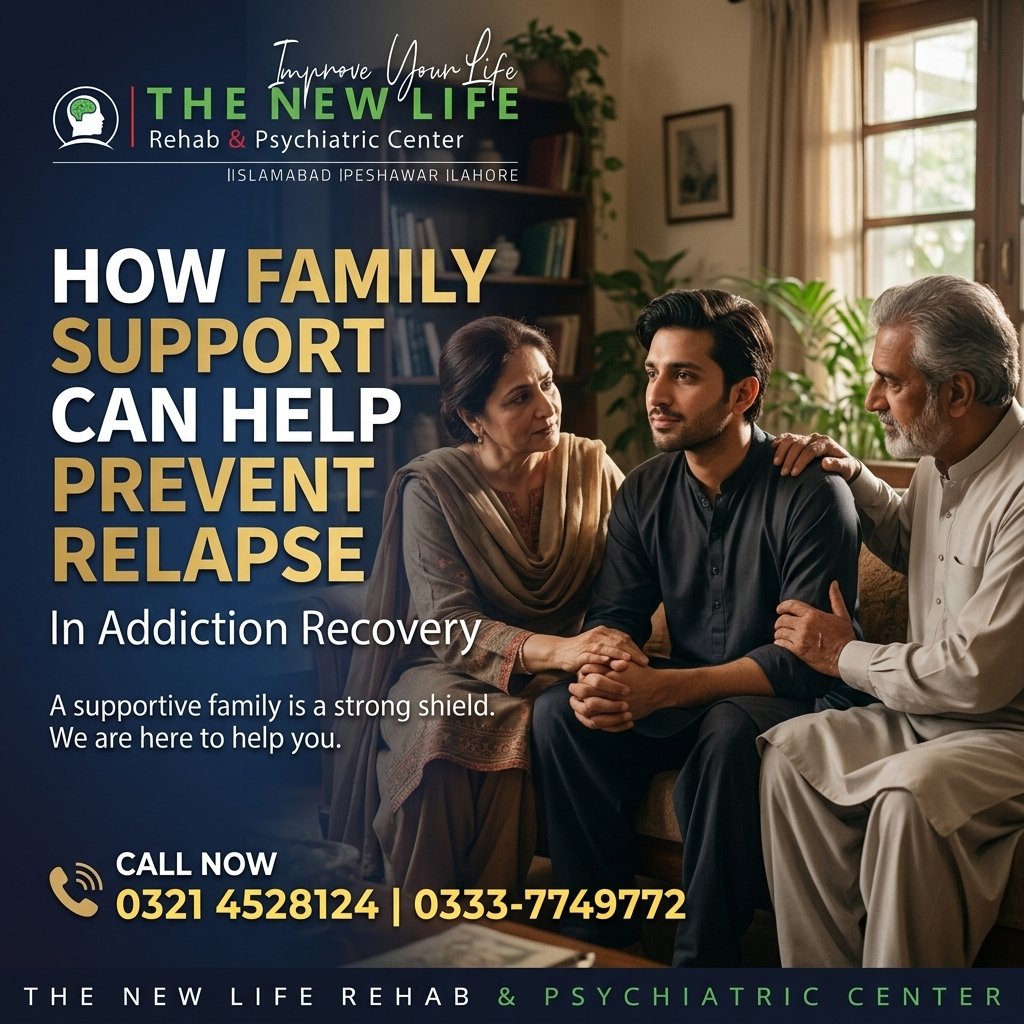
Recovering from an addiction is often a long process that takes patience, professional help, and support. Treatment allows people to learn how to manage their behaviors, hunger and urges better but support from family members can be just as important. Learning how Family support plays a critical role in preventing acute relapse empowers loved ones to foster an atmosphere of recovery that promotes sustained wellbeing.
Relapse is when you return to using substances following a period of reduced use or abstinence. It may occur at recovery, but this does not mean treatment has been unsuccessful. Rather it could indicate a need to revisit the recovery plan, re-assess new challenges and for greater professional support.
Through compassion, establishing healthy boundaries and continuing support of their loved one, family can provide an increased level of safety for those beginning their recovery journey.
What is relapse in the Recovery from addiction
Relapse is defined as the act of returning to drinking or using drugs after a period of attempting to stop or cut down. Others will develop a relapse slowly. Mood changes, isolation, urges or going back to high-risk situations may come before their use of substances resumes.
Examples of relapse triggers include: stress, emotional distress, social influences and peer pressure, unresolved trauma, exposure to substances or reminders of using behavior, contact with people who facilitate or engage in previous drug use.
Not all users relapse, and recovery varies from person to person. A personalized trigger- and relapse-prevention plan can identify the risks that might contribute to use, and define your ideal support system for staying drug-free.
The Process of Support for Family in Addiction Recovery
Family can provide emotional support and help us in challenging times. Letting go looks like the shift in your relationships, routines, social circles and coping strategies that occur in recovery. Having family support can help ease these transitions.
Family support may help by:
- Lessening the sense of disconnection and shame
- Recommending going to therapy and counseling
- Helping identify potential relapse triggers
- Supporting healthier daily routines
- ”Providing a space to talk about cravings and stress
- Encouraging a serene and respectful home environment
While family involvement is not a fool-proof way to prevent relapse, it may be an asset in a more comprehensive recovery approach.
Providing Emotional Support Without Judgment
Those in recovery from substance abuse may feel guilty, anxious, frustrated or fearful about the future. If they feel like they’re being criticized constantly, they’ll be much less likely to share anything they’re struggling with or ask for help.
The family can support the affected person by listening without judgement, recognizing progress over time, and seeing relapses as a chance to adjust what is working in the recovery plan.
Instead of “You constantly take the same mistakes, “say this: “I see that now things are hard… What can we do to find you the support that you need?”
When one can reaffirm respectful communication, it becomes simpler for an individual to talk about cravings, psychological distress or situations that may translate into a break.
Recognizing Relapse Warning Signs
Families often notice changes that the one that is recovering cannot see in themselves. There is no primary behavior that demonstrates relapse is likely, however, several patterns may warrant monitoring.
Possible warning signs include:
- Continuing justification for being away from family and friends
- Missing treatment or support meetings
- Significant alterations in sleep or daily routines
- Feeling irritable, anxious or emotionally distressed
- Going back to people who were in your life when you were using substances
- Glorifying past use of drugs or alcohol.
- Voicing a strong urge or sensation of having no other option
This should lead to a calm conversation and not immediate accusations. Then families can suggest the person to get in touch with their counselor, doctor, or recovery support network.
Creating a Healthy Home Environment
Having a stable home can aid your recovery by not only providing added security, but also minimizing unnecessary stress and incentivizing you to keep away from drugs.
Create predictable routines, encourage healthy activities, and ensure that family members avoid the use of alcohol or drugs around the recovering person. This means that where appropriate, eliminating alcohol/non-legal medicines and other reminders of these type substances from the environment whenever possible.
Yet, a healthy home does not need to be pristine. Common differences of opinion and trying times still come up. Organizations learning to handle conflict and ask for help during tough times, in the most respectful of ways.
Encouraging Professional Treatment
A health condition that has the option of needing ongoing help with your career. Family members can help by encouraging the treatment to be attended, assisting in scheduling appointments and supporting adherence with clinician recommendations.
Treatment may include:
- Individual counseling
- Cognitive behavioral therapy (CBT)
- Group therapy or peer support
- Have medical treatment for withdrawal and health issues related to drug misuse
- Medication when clinically appropriate
- When someone has a combination of mental health issues,
- Continuing care and relapse-prevention planning
Families should not change prescription medications or try to treat severe withdrawal symptoms on their own without medical supervision.
Helping Identify and Manage Triggers
Triggers are individuals, situations, places or emotion that may trigger an increased desire or need to use. Those triggers can be something as simple as family discord, loneliness, financial stress, specific social situations and even rehabilitation settings when meeting with old friends who may also have been using substances.
Families may assist the person working on recovery to identify these triggers and develop concrete responses.
They might, for example, work with the person to plot a safer way home to avoid a particular part of town that carries high-risk potential, plan a chat after a stressful event or prepare the phone number of someone who can be phoned when cravings surge.
These decisions should still include the recovering person. Collaborative planning is a much more respectful and sustainable way than control their life in every possible aspect.
The Importance of Encouraging Healthy Living and Daily Routines

Establishing healthy routines aids in developing structure and helps with physical and emotional wellbeing throughout recovery.
Families may encourage:
- Regular sleep and wake times
- Balanced meals and adequate hydration
- Exercise depending on the person s health
- Hobbies and substance-free social activities
- Taking time off to manage your stress
- An education, job or other worthwhile pursuits
These practices are not a substitute for addiction treatment, but they can help shape a more well-rounded lifestyle and offer replacement activities to using substances.
Setting Healthy Boundaries
Being there for a loved one does not equate to condoning abusive behavior or having to take responsibility for every decision they make. In a family, healthy boundaries are also essential to protect the wellbeing of the whole with each person responsible for their recovery.
Families may establish rules around what is safe, how to talk about things respectfully, and the use of money and substances in the home.
They can refrain from giving money or other financial resources for example, which is often used to buy drugs and/or alcohol. They can also clarify that threats or violence are crossing a line.
Be calm and consistent when communicating boundaries. If there is a threat of violence or severe injury, safety planning and other professional help are more essential than attempting to resolve the situation on your own.
Supporting Recovery After a Relapse
Family members are often so afraid and angry when someone goes back to using drugs and alcohol. These reactions are natural, obviously blame and shaming make help seeking harder.
Relapsing really requires concern due to the fact it is able to suggest an overdose, extreme drunkenness or different fitness-associated problems. Families are urged to adaptively reach out again to the treatment team for a re-evaluation of the recovery plan.
If they are unconscious, having a seizure, difficulty breathing or any other signs of a medical emergency you will need to get them helped immediately.
Once the immediate threat has been mitigated, the person and their team can sit with what occurred, explore triggers, and whether a new plan for treatment or support is necessary.
Nishan Rehab Addiction Treatment Center, Islamabad, Pakistan Family Support
Nishan Rehab Addiction Treatment Center, Islamabad, Pakistan is a source for such people or their families who look for rehabilitation houses, services and help related to addiction. Family involvement is an issue that should be given as much consideration when planning care, particularly if stress, communication difficulties or recurrent relapse has been experienced in the household.
An effective course of treatment can include professional evaluation, addiction counseling, mental health care, family therapy and continuing-care planning. How to gain is relative to the individual.
Families trying to find help should start by asking potential providers how they include family members in the process, protect patient privacy and assist with recovery after formal treatment is complete.
Frequently Asked Questions
1. Does the family have a role to play in supporting recovery and preventing relapse into addiction?
Family support can also mitigate some risk factors for relapse such as by providing encouragement, helping identify triggers, supporting treatment and creating a stable environment. But it does not promise that there will be no relapse.
2. What should family members do if they see signs of relapse?
Speak gently with the person in recovery, share what you have observed, and recommend they reach out to their treatment provider or recovery support system. Refrain from accusations and seek emergency help when there is an immediate medical or safety issue
3. Should families attend addiction counseling?
If recovery is affected by relationship difficulties, for example, communication problems or household stress, family counseling can be helpful. Engagement must be tailored to the needs of the individual and facilitated through a professional process with adequate training.
4. Is there a way for families to help without enabling addiction?
Families can provide emotional support but should not get too involved. They can motivate treatment, offer tangible aid and refrain from inadvertently normalizing continued use of drugs by providing money for substances to continue using or repeatedly hiding damage.
5. What if a person uses drugs again after treatment?
A relapse does not equal an end to recovery or a sign that progress has been lost. It is an occasion to review risks, recommission professional support, and reinforce the treatment plan. If the patient was using opioids or other drugs with an overdose risk, medical care may be needed right away.
Conclusion
The involvement of loved ones, or Family support in addiction recovery can be beneficial because it helps provide encouragement, identifies warning signs of relapse, assists with trigger management and stabilizes the environment. It, healthy boundaries and clinical evidence-based perspective will be no substitute for managing addiction with a loved one.
Recovery is a community affair; but not all responsibility rests with the family. When there is compassionate, open communication followed by appropriate treatment and preparation support for families, the person can take their time to work through challenges who knows maybe just maybe long-term wellbeing will follow.