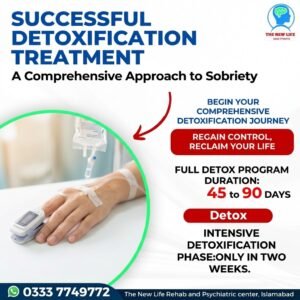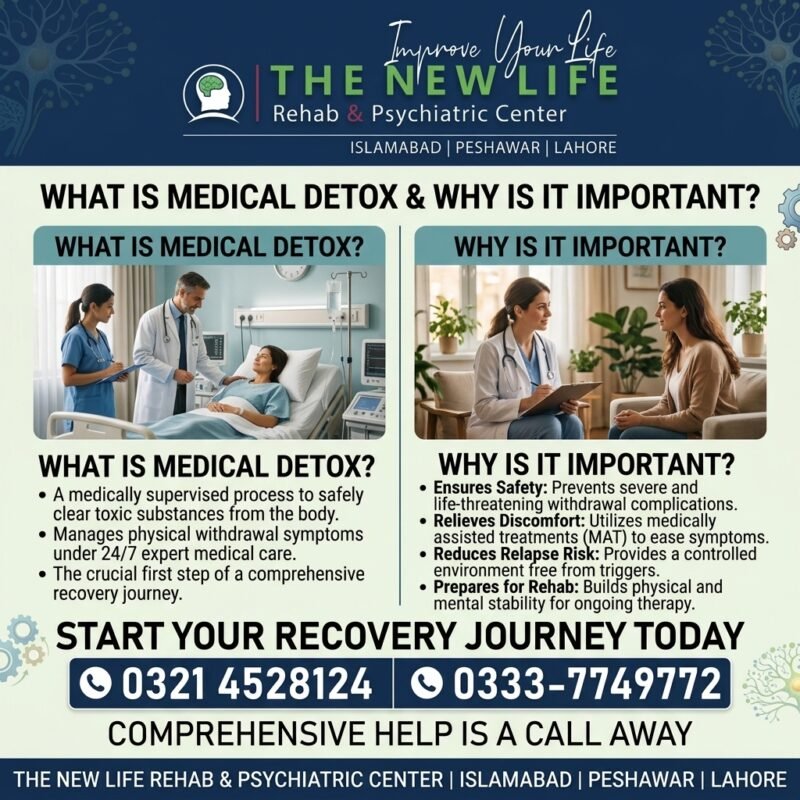
Medically Managed Detox: This is often the first step in most people with drug or alcohol dependence. Abuse of particular chemical will cause the body to be reliant on them. Suddenly stopping can lead to withdrawal symptoms that may be uncomfortable all the way to life-threatening.
Medical detox also offers care and supervision during this time. The medical detox ensures a withdrawal management, minimization of health risks and provision and preparation for the subsequent addiction rehabilitation program. Detox may not address everything that needs to be treated in order for someone to recover from addiction, but it can provide a safer baseline for the longer-term recovery process.
Gaining insight into what medical detox is and its importance will assist an individual or a family in making decisions about professional assistance.
What Is Medical Detox?
Medical detox, or medically managed withdrawal management (MWM) is when a healthcare professional helps a person stop or decrease use of an addictive substance while monitoring their physical and mental condition during the process.
The body learns to function without a substance that it has been spoiled by during this detoxification period. Withdrawal can manifest as anxiety, nausea, sweating, shaking sleep disturbances or intense cravings depending on the drug and health of the individual.
These are symptoms that health care providers evaluate and treat. This could include monitoring vital signs, replacing fluids lost to dehydration, providing supportive care and considering the use of appropriate medications.
Medically supervised detoxification may be necessary for alcohol, opioids (such as morphine), benzodiazepines and other substances. How strict the supervision is, depends on the substance in question, their medical history, how severe their withdrawal experiences have been and an estimate of whether they are likely to experience complications.
Why Is Medical Detox Important?
There are various reasons a medically supervised detox, where a medical professional is present at all stages, to monitor how withdrawal affects both the body and mind. Acute symptoms can also be managed until you get the necessary treatments needed, while a few need immediate medical attention.
1. It Helps Manage Withdrawal Symptoms
This is an addictive disorder, and quitting a substance without help can be difficult due to withdrawal symptoms. And in withdrawal, it can feel like physical pain, anxiety, irritability, nausea all at once as well as sweating and cravings.
Medical detox helps health care professionals evaluate symptoms and treat appropriately. This support can assist with managing the withdrawal process and identifying complications early.
2. It Lowers the Risk of Advanced Extremities
Some of these substances can have life-threatening withdrawal effects. Sample text:Seizures or delirium can occur with severe alcohol withdrawal and are a potential complication of benzodiazepine withdrawal.
This medical oversight also helps professionals identify red flags to adjust the course. Medical advice must be sought for persons who may be physically dependent on alcohol or benzodiazepines before suddenly stopping these agents.
3. It Provides Professional Monitoring
While in detox, healthcare providers may assess heart rate, blood pressure, temperature, hydration, mental status and other health data as needed.
This is especially true for patients with chronic illnesses, past history of extreme withdrawal, active pregnancy, or dependence on multiple substances, and monitoring in these populations.
4. It Sets the Stage for Other Treatment
Detox manages the pretty immediate effects of stopping a substance, but it does not automatically take care of cravings, emotional problems & other addictive behaviors.
Aftercare is defined as any service or support one receives after detox that may include a counseling program, medication treatment, rehabilitation, peer support group or ongoing medical care. Planning these following steps before the detox process ends can help individuals transition into active treatment without any breaks in between.
Signs Your Friend Might Need Medical Detox
Whether you need medical detoxification depend on the substance used and duration of use along with general health conditions. Physical dependence or severe withdrawal warning signs include:
- Shaking, sweating, or restlessness if the use of substances is delayed.
- Nausea and/or vomiting, or major changes in sleep
- Compulsive Use of Substance or Impaired Control: Intense desires to use (craving) or unsuccessful efforts in controlling substance use.
- Maintaining more and more considerable levels of a drug to accomplish the same outcome.
- Withdrawal symptoms with reducing or stopping use.
- Seizures, hallucinations or severe confusion during withdrawal previously.
- Regular use of alcohol, sedatives or other drugs to lower tension and an enduring wish to cease using
Such signs, however, alone do not make a diagnosis. This enables a qualified healthcare professional to evaluate the person’s circumstances and recommend an appropriate level of care.
Get emergency help if a seizure, severe confusion, hallucinations, trouble breathing, or unusual tiredness or weakness occur.
What Happens During Medical Detox?
The process is patient specific and depends on the drug, health condition and severity of the dependence. A common process has multiple stages.
1. Initial Assessment
What normally begins with a medical and substance use assessment. Other questions may include the substances used, frequency and duration of use, if any withdrawal was previously experienced, what medications were prescribed during past efforts to stop using drugs or alcohol, and what medical conditions are currently being treated.
It will assess the most likely risks for withdrawal and establish whether inpatient oversight, outpatient support or another care level is indicated.
2. Withdrawal Management
After the care plan has been set, healthcare experts monitor the person’s sickness signs and symptoms and situation. This may involve fluids as needed, nutritional care, symptom management, rest and a calm environment.
Some may be treated with medication to lessen withdrawal symptoms or avoid complications. The medicines used will depend on the substance involved and what the person needs.
3. Ongoing Monitoring and Support
The signs of withdrawal do not remain the same as time passes. Monitored by healthcare professionals to note progress and adjust care plan when needed.
The emotional support is also very important as they may feel anxiety, low, mood and irritable and cravings when they are going through withdrawal of the drugs. Staff could also assist in identifying other issues that need management as well.
4. Planning the Next Phase of Recovery
Prior to the completion of detox, the care team will talk with you about ongoing treatment and recovery objectives.
The next step would vary depending on the person’s needs, including residential rehabilitation, outpatient counseling and/or medication treatment (including compounds such as buprenorphine or methadone), mental health services and/or community- or faith-based support.
Helping people move on from treatment means ensuring they keep tackling the underlying causes of substance use.
Types of Medical Detox Programs
Everyone would not require the same detox environment. Care recommendations are made only after health workers weigh the individual’s risk of withdrawal, their health, having a support system in place and any treatment needs.
Inpatient Medical Detox
Inpatient detox happens in a hospital or other appropriately credentialed facility. This is done for people at risk of severe withdrawal or with significant medical or psychiatric concerns, who need supervision continuously.
The amount of medical attention you receive varies from facility to facility.
Outpatient Withdrawal Management
For a select group of individuals, withdrawal management as offered through programming (medical appointments and follow-up care) can be provided safely. This may be appropriate when the anticipated withdrawal risk is low along with access to reliable mental health support.
This option may not be suitable for all, especially those at risk of serious alcohol or sedative withdrawal courses.
Medication-Assisted Withdrawal Management
In some cases, medications may help ease withdrawal symptoms or address certain risks. Depending on the clinical context, clinicians may also discuss evidence-based medications (including buprenorphine or methadone) for ongoing treatment of opioid use disorder.
Determination of medicine is the job of an equipped doctor on basis of people’s conditions.
Is Medical Detox the Same as Rehabilitation?
Yes. Although medical detox and rehabilitation are often components of the same treatment plan, they do not serve the same purpose.
Medical detox supports managing withdrawal and resolving immediate medical dangers caused by the abrupt cessation of a substance.
Rehabilitation, on the other hand, is more about a general restoration process. It could incorporate therapy, behavioral therapies, drug treatment, relapse-prevention preparing, family part and assistance rebuilding everyday exercises.
Detox can be a necessary first step, but on its own is generally not sufficient to treat a substance use disorder. Short and continuous treatment allows people to deal with cravings, emotional triggers, and the situation that leads to consumption.
How Outpatient Medical Detox Performs?
Detoxification does not have a standardized time. The personality, severity of withdrawal symptoms, duration and frequency use of substances well as general health all affect how long it takes to withdraw.
It can take several days for some withdrawal symptoms to heal, while the duration of others may be much longer. Some drugs, especially long-acting sedatives, have withdrawal symptoms that begin or continue to be troublesome over a protracted time frame.
You do not aim to finish detox as soon as possible. Making the withdrawal safe and providing an appropriate aftercare plan is the priority.
The New Life Rehab & Psychiatric Center Islamabad, Pakistan
The New Life Rehab & Psychiatric Center Islamabad, Pakistan — Location of Treatment Center for Addiction. Those worried about their substance use and possible dependence may be helped by speaking with a clinician regarding their medical history, withdrawal symptoms and recovery goals.
Every individual is different and requires specific medical detox needs. Estimates suggest that even as many as 75%-80% of opioid dependent people will need medically supervised withdrawal management or other supportive services such as rehabilitation, trial interventions and mental health management.
Withdrawal from alcohol, benzodiazepines and some other substances can cause serious problems; so, caution should be encouraged, and those individuals should receive qualified medical guidance before trying to stop after just casual use. Verify through the center themselves what detox services are offered, and if the facility can offer or arrange for the degree of medical care needed.
Selecting the right treatment can help people make a safer and more educated decision about what direction to take for their first step in recovery.
Frequently Asked Questions
1. The primary goal of a medical detox is to maintain stability emotionally and physically while helping the individual withdraw successfully from substances.
Medical detox primarily manages withdrawal or preventing it from happening when someone stops or reduces substance use. This enables healthcare professionals to monitor symptoms and treat complications, while also preparing the individual for additional treatment of addiction.
2. Does every patient dealing with addiction need a medical detox?
Not everyone will require a full medical detox program. It varies based on the specific substance, their patterns of use, physical dependence and previous medical history along with risk factors associated with withdrawal. Only a healthcare professional will be able to pin it down accurately and ascertain the best way forward that is least stressful on the body.
3. Am I able to detox at home from Drugs or Alcohol?
For some people, a home detox may not be safe. Alcohol and benzodiazepine withdrawal can be fatal, whereas opioid withdrawal can also result in major complications. If you are curious about quitting a drug you are accustomed to using regularly, please obtain medical information first and never attempt to stop particularly dangerous drugs without the guidance of your treating doctor.
4. Does medical detox cure addiction?
No. Although medical detox focuses on withdrawal and immediate health threats, it will not treat all of the addiction causes. Additional care (e.g., medication, counseling, rehab and recovery support) is typically necessary.
5. How do I know what detox program is best for me?
Your health, history of substance uses and withdrawal, and access to support networks dictate which program is best for you. Specialists can help determine the best treatment options, including inpatient intensive care, outpatient support, or another appropriate option.
Conclusion
Medical detox is often the first step toward recovery from substance use disorder and drug or alcohol dependence. It can minimize risks and facilitate steps into continuing treatment through professional monitoring, withdrawal management, and medical care when needed.
But detox alone rarely leads to sustainable recovery. A holistic approach may involve medication, therapy (counseling), rehabilitation and supportive activities in a way specific to the person.
When you or someone you care can be confused and unsure, professional guidance often helps in deciding what the safest way to proceed. Recovery is possible when properly taken care of and supported.