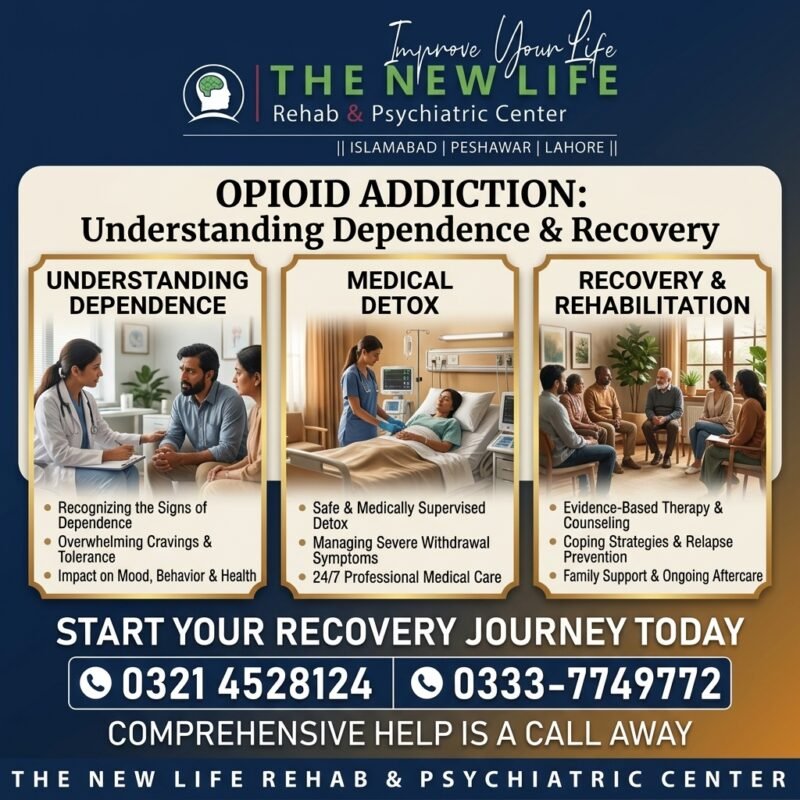
Opioid addiction is a complex health condition that can affect a person’s physical health, emotional well-being, relationships, and daily life. Opioids are substances used to relieve pain, but some can cause dependence and addiction, particularly when used in ways other than prescribed. With appropriate medical care, psychological support, and a personalised recovery plan, people experiencing opioid addiction can work towards improved health and long-term stability.
Understanding opioid dependence is an important first step towards seeking help. Compassionate support, accurate information, and professional treatment can help individuals and their families navigate recovery without shame or stigma.
What Is Opioid Addiction?
Opioids are substances that act on opioid receptors in the brain and body to reduce pain. They include prescription medicines such as morphine, oxycodone, and codeine, as well as illicit opioids such as heroin. Fentanyl is another powerful opioid used medically and also found in illicit drug supplies.
Opioid addiction, clinically described as opioid use disorder, involves a pattern of opioid use that becomes difficult to control and continues despite harmful consequences. It may involve strong cravings, repeated unsuccessful attempts to stop, and problems at home, work, school, or in relationships.
Physical dependence and addiction are not the same thing. Physical dependence can develop when the body adapts to regular opioid use, including when medication is taken as prescribed. It can cause withdrawal symptoms if the medication is stopped suddenly. Addiction involves a broader pattern of impaired control and continued use despite harm. A qualified healthcare professional can help distinguish between these experiences.
Common Signs and Symptoms of Opioid Dependence
Opioid addiction can affect people in different ways. Recognising possible warning signs may help individuals and families seek support earlier.
Common signs include:
- Strong cravings or feeling unable to control opioid use.
- Taking larger amounts or using opioids more often than intended.
- Repeated unsuccessful attempts to reduce or stop use.
- Spending significant time obtaining, using, or recovering from opioids.
- Continuing use despite problems with health, finances, work, or relationships.
- Experiencing withdrawal symptoms when the effects wear off.
- Becoming less interested in previously important activities.
Physical symptoms can include drowsiness, nausea, constipation, and slowed breathing. The specific effects depend on the substance, amount used, other medications, and individual health.
Causes and Risk Factors of Opioid Addiction
There is no single cause of opioid addiction. Risk may be influenced by several overlapping factors, including prolonged opioid exposure, previous substance-use problems, psychological distress, chronic pain, family history, and social circumstances.
Some people initially receive opioids for legitimate pain treatment and later experience difficulties controlling their use. Others may use opioids to cope with emotional distress or other challenges.
Experiencing stress or a mental health condition does not automatically mean someone will develop addiction. Understanding a person’s circumstances helps healthcare professionals develop a more suitable treatment plan.
Opioid Withdrawal and Why Medical Support Matters
When someone who is physically dependent on opioids reduces or stops use, withdrawal symptoms may occur. These can include muscle aches, sweating, anxiety, restlessness, insomnia, abdominal cramps, diarrhoea, nausea, and vomiting.
Although opioid withdrawal is not usually fatal by itself in otherwise healthy adults, complications such as dehydration can occur. Withdrawal can also be particularly difficult to manage and may increase the risk of returning to opioid use.
Medical assessment is important before stopping opioids, particularly for people using them regularly, taking multiple substances, or living with other health conditions. A clinician can recommend an appropriate plan, manage symptoms, and discuss treatment options. People should not attempt to manage complicated withdrawal alone.
Opioid Addiction Treatment Options
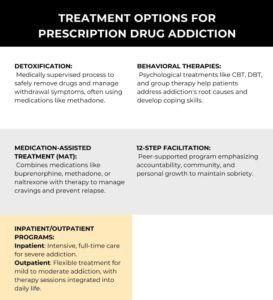
Effective opioid addiction treatment addresses both physical dependence and the behavioural, psychological, and social factors that influence substance use. Treatment should be individualised and reviewed over time.
1. Medical Assessment and Withdrawal Management
The first step is often an assessment of opioid use, physical health, mental health, current medications, and any other substances involved. If withdrawal management is needed, healthcare professionals can help reduce discomfort and identify complications.
Detoxification alone is not a complete treatment for opioid use disorder. Ongoing care is important because cravings and relapse risks may continue after withdrawal symptoms improve.
2. Medication for Opioid Use Disorder
Evidence-based medications can help reduce cravings, manage withdrawal, and lower the risk of returning to harmful opioid use. Options may include buprenorphine and methadone; naltrexone may be suitable for some people after an appropriate opioid-free period.
The choice depends on the individual’s circumstances, treatment availability, medical assessment, and personal preferences. These medicines should be prescribed and monitored by qualified professionals. They are recognised treatments, not signs of weakness or failure.
3. Counselling and Behavioural Therapy
Counselling can help individuals understand the triggers and circumstances associated with opioid use. Cognitive behavioural therapy (CBT), motivational approaches, and other evidence-based interventions may support coping skills, decision-making, and changes in harmful patterns.
Counselling can also address stress, emotional challenges, and practical barriers that may affect recovery. It is often most helpful when coordinated with appropriate medical treatment.
4. Family and Social Support
Support from family members and trusted people can play an important role in recovery. Families may benefit from learning about opioid addiction, setting healthy boundaries, communicating without blame, and recognising warning signs.
Recovery should respect the individual’s privacy and dignity. Family participation can be helpful when the person agrees and when it is appropriate for their care.
Preventing Relapse and Supporting Long-Term Recovery
Recovery is an ongoing process rather than a single event. A relapse or return to opioid use can occur, but it does not mean that treatment has failed. It may indicate a need to review the care plan and strengthen support.
Helpful strategies include attending follow-up appointments, continuing prescribed treatment, recognising triggers, developing healthier routines, and seeking support during periods of stress.
One particularly important risk is reduced opioid tolerance after a period of abstinence or reduced use. If a person returns to a previously used amount, the body may no longer tolerate it, increasing the risk of a fatal overdose. Naloxone, where available, can reverse an opioid overdose temporarily, and people at risk and their families should ask healthcare professionals about access and training.
Opioid Addiction Support at The New Life Rehab & Psychiatric Center Islamabad, Pakistan
People affected by opioid addiction may need different levels of care depending on their health, substance-use history, withdrawal risks, and home environment. The New Life Rehab & Psychiatric Center Islamabad, Pakistan, can be a point of contact for discussing addiction-related concerns and exploring appropriate support options.
A qualified professional should assess individual needs and help determine whether medical treatment, counselling, supervised withdrawal management, or a combination of services is appropriate. People with severe withdrawal concerns, suspected overdose, or other urgent medical problems need immediate medical attention rather than waiting for a routine appointment.
Frequently Asked Questions
1. Is opioid addiction treatable?
Yes. Opioid use disorder is a treatable health condition. Medication, counselling, ongoing medical care, and social support can help people reduce harm and work towards sustained recovery.
2. How long does opioid withdrawal last?
The duration depends on the opioid involved, how it was used, and individual health factors. Some symptoms may begin within hours of the last dose, while others can last several days or longer. A healthcare professional can explain what to expect and recommend appropriate support.
3. Is detoxification enough to overcome opioid addiction?
No. Detoxification can help manage withdrawal, but it does not necessarily address cravings, behavioural patterns, or the circumstances associated with opioid use. Continuing treatment and follow-up support can reduce the risk of relapse and overdose.
4. Can prescribed opioid medicines cause dependence?
Yes. Physical dependence can develop with regular use of prescribed opioids. This does not automatically mean a person has an addiction. Anyone considering reducing or stopping prescribed opioids should consult their prescriber about a safe, individualised plan.
5. What are the signs of an opioid overdose?
Warning signs include being unable to wake the person, very slow or absent breathing, unusual snoring or gurgling sounds, and blue, grey, or unusually pale lips or skin. An opioid overdose is a medical emergency. Call local emergency services immediately, administer naloxone if available and follow its instructions, and provide rescue breathing or CPR if trained. Do not leave the person alone.
Conclusion
Opioid addiction can affect many aspects of life, but effective treatment and compassionate support are available. Understanding dependence, seeking medical guidance, considering evidence-based treatment, and maintaining follow-up care are important steps towards recovery.
Every person’s circumstances are different, so treatment should be tailored to their individual needs. With appropriate care and ongoing support, people experiencing opioid addiction can work towards safer choices, improved well-being, and a more stable future.