Mental health and addiction recovery often require more than physical treatment alone. Thoughts, emotions, and behaviors are deeply connected, and unhealthy thinking patterns can significantly affect a person’s well-being. One of the most widely recognized and evidence-based approaches used in modern mental health care is Cognitive Behavioral Therapy (CBT). Individuals seeking Cognitive Behavioral Therapy (CBT) in Islamabad, Pakistan often benefit from structured support designed to help them understand and change negative thought patterns that influence their emotions and actions.
At The New Life Rehab & Psychiatric Center Islamabad, Cognitive Behavioral Therapy is an important component of comprehensive mental health and addiction recovery programs. CBT helps individuals develop practical coping strategies, improve emotional resilience, and work toward healthier daily functioning.
What Is Cognitive Behavioral Therapy (CBT)?
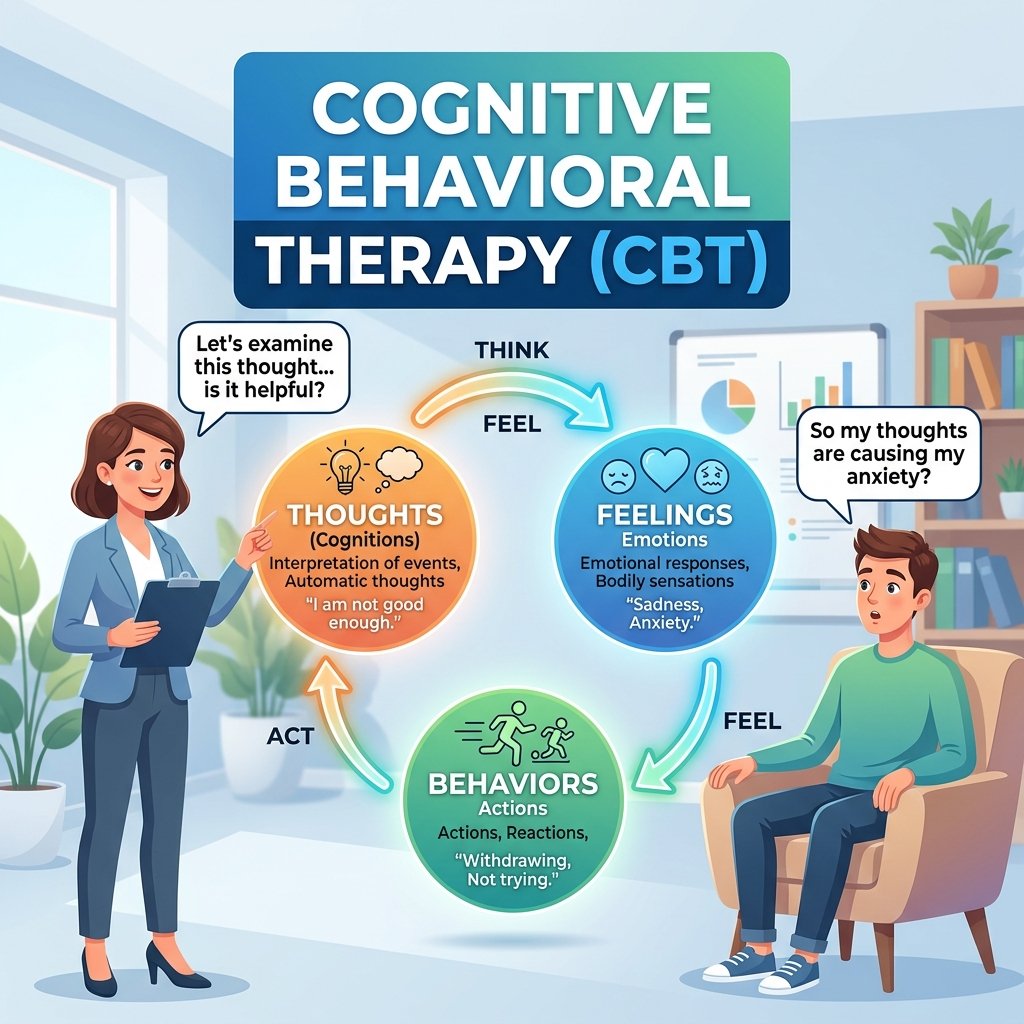
Cognitive Behavioral Therapy, commonly known as CBT, is a structured form of psychotherapy that focuses on the relationship between thoughts, feelings, and behaviors. The core principle of CBT is that negative thought patterns can influence emotional distress and unhealthy behaviors.
By identifying and challenging these thoughts, individuals can learn healthier ways of thinking and responding to life’s challenges. CBT is goal-oriented, practical, and designed to provide skills that can be applied in everyday situations.
Today, Cognitive Behavioral Therapy (CBT) in Islamabad, Pakistan is widely used to support individuals facing mental health concerns, addiction recovery challenges, stress-related conditions, and emotional difficulties.
How CBT Works
CBT helps individuals recognize automatic negative thoughts that may contribute to anxiety, depression, addiction, or emotional distress. Once these thoughts are identified, therapists work with individuals to evaluate their accuracy and replace them with healthier perspectives.
The therapy process often includes:
- Identifying harmful thinking patterns
- Understanding emotional triggers
- Learning problem-solving skills
- Developing healthy coping mechanisms
- Practicing behavioral changes
- Building emotional resilience
Rather than focusing solely on past experiences, CBT emphasizes current challenges and practical solutions that can improve daily life.
Conditions Commonly Treated with CBT
Cognitive Behavioral Therapy is used to support a wide range of mental health and behavioral conditions.
Anxiety Disorders
CBT helps individuals manage excessive worry, panic attacks, social anxiety, and fear-based thinking.
Depression
Many people struggling with depression experience negative self-beliefs and hopeless thoughts. CBT helps challenge these patterns and encourage healthier thinking.
Substance Use Disorders
CBT is commonly used in addiction recovery programs to help individuals recognize triggers, manage cravings, and prevent relapse.
Stress Management
People dealing with chronic stress often benefit from CBT techniques that improve emotional regulation and coping skills.
Obsessive Thoughts and Behavioral Challenges
CBT can support individuals experiencing repetitive thoughts, unhealthy habits, or difficulty managing emotions.
Benefits of Cognitive Behavioral Therapy (CBT)
One reason CBT is widely respected is its focus on practical and measurable progress. Individuals learn skills that can continue benefiting them long after therapy sessions have ended.
Common benefits include:
- Improved emotional awareness
- Better stress management
- Reduced negative thinking
- Enhanced problem-solving abilities
- Healthier relationships
- Increased self-confidence
- Stronger coping skills
These benefits make Cognitive Behavioral Therapy (CBT) in Islamabad, Pakistan a valuable option for individuals seeking long-term emotional wellness.
CBT and Addiction Recovery
Addiction often involves behavioral patterns that become deeply connected to thoughts and emotions. Individuals may use substances in response to stress, sadness, anxiety, or social pressure.
CBT helps individuals:
- Identify addiction triggers
- Recognize unhealthy thinking patterns
- Develop alternative coping strategies
- Improve decision-making skills
- Strengthen relapse prevention plans
At The New Life Rehab & Psychiatric Center Islamabad, CBT is frequently integrated into addiction treatment programs to support lasting recovery and emotional stability.
The Role of CBT in Mental Health Treatment
Mental health challenges can affect every aspect of life, including work performance, family relationships, social interactions, and physical health. CBT provides practical tools that help individuals respond more effectively to difficult situations.
Therapy sessions may focus on:
- Managing emotional reactions
- Building self-esteem
- Improving communication skills
- Reducing self-criticism
- Developing healthier daily routines
Because CBT is highly adaptable, treatment plans can be customized to meet each individual’s unique needs and goals.
Why Professional Guidance Matters
Although self-help resources can be useful, professional CBT guidance offers structured support and personalized strategies. Trained mental health professionals can help individuals identify underlying issues and develop realistic goals for improvement.
Professional support often provides:
- Objective feedback
- Personalized treatment planning
- Accountability and encouragement
- Safe discussion of emotional concerns
- Ongoing progress evaluation
Seeking professional Cognitive Behavioral Therapy (CBT) in Islamabad, Pakistan can help individuals gain a deeper understanding of their emotions and behaviors while working toward positive change.
FAQs About Cognitive Behavioral Therapy (CBT)
- What is the main goal of Cognitive Behavioral Therapy?
The primary goal of CBT is to help individuals identify and change negative thought patterns that influence emotions and behaviors.
- Is CBT effective for addiction recovery?
CBT is widely used in addiction treatment because it helps individuals understand triggers, manage cravings, and develop healthier coping strategies.
- How long does Cognitive Behavioral Therapy take?
The duration varies depending on individual needs, treatment goals, and the complexity of the issues being addressed.
- Can CBT help with anxiety and depression?
Yes. CBT is commonly used to support individuals experiencing anxiety disorders, depression, stress, and other emotional challenges.
- Is CBT suitable for all age groups?
CBT can be adapted for adolescents, adults, and older individuals, depending on their specific needs and circumstances.
Conclusion
Cognitive Behavioral Therapy is a practical and evidence-based approach that helps individuals understand the connection between thoughts, emotions, and behaviors. By learning healthier thinking patterns and effective coping strategies, people can improve emotional well-being, strengthen relationships, and manage life’s challenges more effectively.
At The New Life Rehab & Psychiatric Center Islamabad, Cognitive Behavioral Therapy (CBT) in Islamabad, Pakistan is incorporated into comprehensive mental health and addiction recovery programs. Through professional guidance, structured therapy, and compassionate support, individuals can work toward meaningful personal growth, emotional stability, and a healthier future.