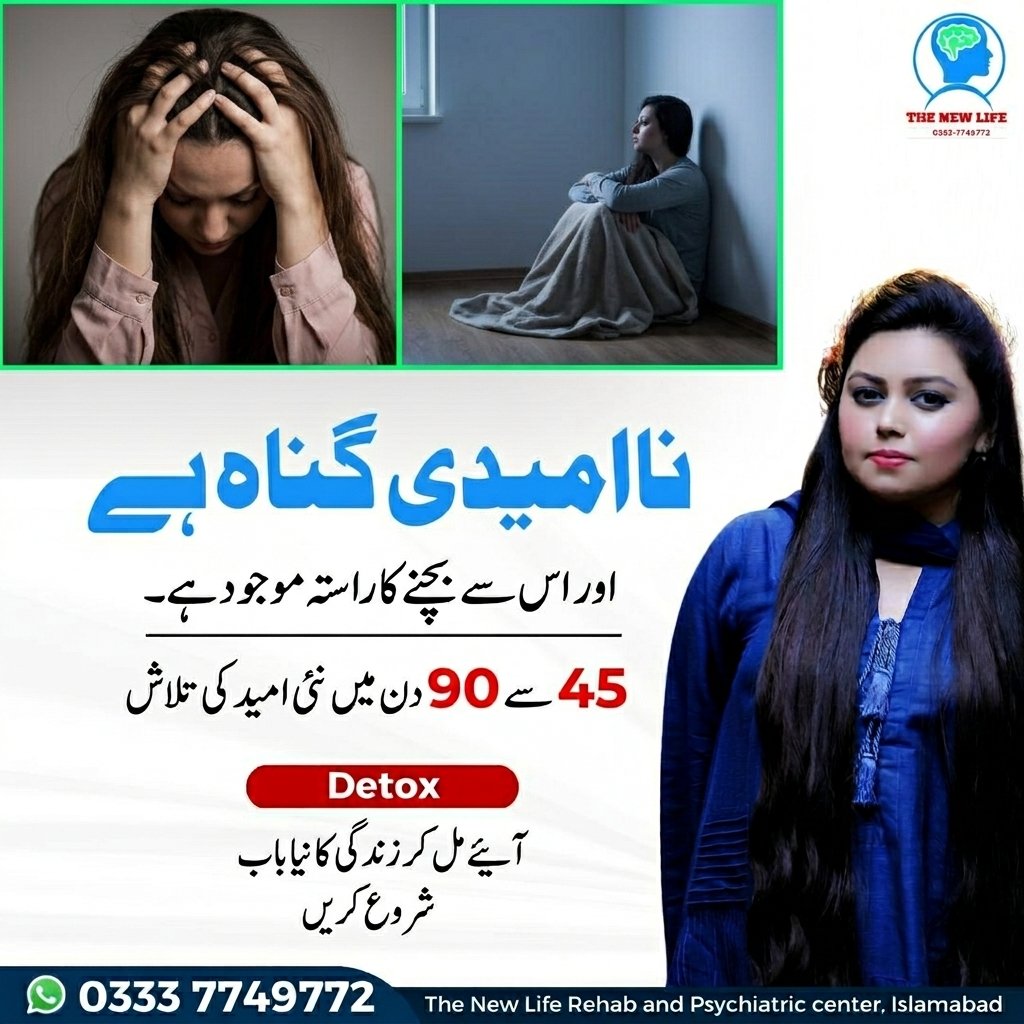
Hopelessness is one of the heaviest emotional burdens a person can carry. It can silently consume the mind, weaken the spirit, and make life feel unbearable. Whether caused by addiction, depression, loss, trauma, or failure, hopelessness can leave a person feeling trapped in darkness with no visible way out. But one truth remains constant: hopelessness is not the end of the story.
The phrase “Hopelessness Is a Sin” carries deep meaning, especially in spiritual and emotional healing. It does not mean that feeling pain or sadness is wrong. Rather, it reminds us that completely giving up on mercy, healing, and change can disconnect us from the possibility of recovery and peace.
Understanding Hopelessness
Hopelessness is the feeling that nothing will improve, no matter what actions are taken. It often develops when people face repeated struggles, emotional wounds, addiction, or mental health challenges.
Common signs of hopelessness include:
- Feeling emotionally numb
- Losing motivation for life
- Believing the future has no purpose
- Withdrawing from loved ones
- Thinking that change is impossible
- Losing faith in oneself
While these feelings are real and painful, they do not define a person’s future.
Why Hopelessness Can Be Dangerous
Hopelessness often creates a cycle of emotional suffering. When people lose hope, they may stop seeking help, stop caring for themselves, or turn toward harmful coping mechanisms like drugs, alcohol, or isolation.
In addiction recovery, hopelessness is particularly dangerous because it can make a person believe that healing is impossible. This belief can delay treatment and worsen both mental and physical health.
But recovery experts and mental health professionals understand something important: even when a person feels broken, healing can still begin.
The Spiritual Meaning of Hope

Across many faith traditions, hope is considered a powerful source of strength. In Islam, despairing of Allah’s mercy is strongly discouraged. The belief that forgiveness, healing, and guidance are always possible gives people strength during their hardest battles.
Life is full of tests. Some tests come through loss, illness, addiction, or emotional pain. These struggles can feel overwhelming, but they do not mean a person has been abandoned.
Hope teaches us that pain is temporary, and healing is always possible.
Hopelessness and Addiction
People struggling with substance abuse often feel intense guilt, shame, and despair. They may think:
- “I’ve failed too many times.”
- “Nobody understands me.”
- “I can’t change.”
- “My life is ruined.”
These thoughts are common in addiction, but they are not facts.
At centres like The New Life Rehab & Psychiatric Center Islamabad, Pakistan, individuals are often reminded that relapse, struggle, and emotional pain do not mean failure. Recovery is a process, not a perfect journey.
Hope becomes the foundation of treatment.
How to Fight Hopelessness
Overcoming hopelessness starts with small but meaningful steps.
1. Ask for Help
Speaking to a trusted person, therapist, counsellor, or family member can reduce the weight of emotional pain.
2. Accept That Healing Takes Time
Recovery from emotional trauma, addiction, or depression does not happen overnight. Patience is part of healing.
3. Strengthen Your Faith
Prayer, reflection, and spiritual connection can help rebuild inner strength and peace.
4. Focus on One Day at a Time
Thinking too far ahead can feel overwhelming. Focus on small progress.
5. Seek Professional Support
Mental health professionals and addiction specialists can provide guidance, therapy, and structured support.
Hope Is Stronger Than Despair
Many people who once felt hopeless have rebuilt their lives. People recover from addiction. Families heal. Minds become peaceful again. Pain can lessen. Broken relationships can improve.
The presence of hopelessness today does not mean there is no hope tomorrow.
Every sunrise is proof that darkness does not last forever.
Final Thoughts
Hopelessness is powerful, but it does not have to win. It can make a person feel alone, but the truth is that help, healing, and hope are always within reach. Whether someone is struggling with addiction, depression, or personal hardship, there is always a path forward.
“Hopelessness Is a Sin” is not a statement of judgment — it is a reminder that giving up completely closes the door to healing, while hope keeps that door open.
No matter how difficult life becomes, hope remains one of the strongest medicines for the human soul.
And as long as hope exists, recovery remains possible.