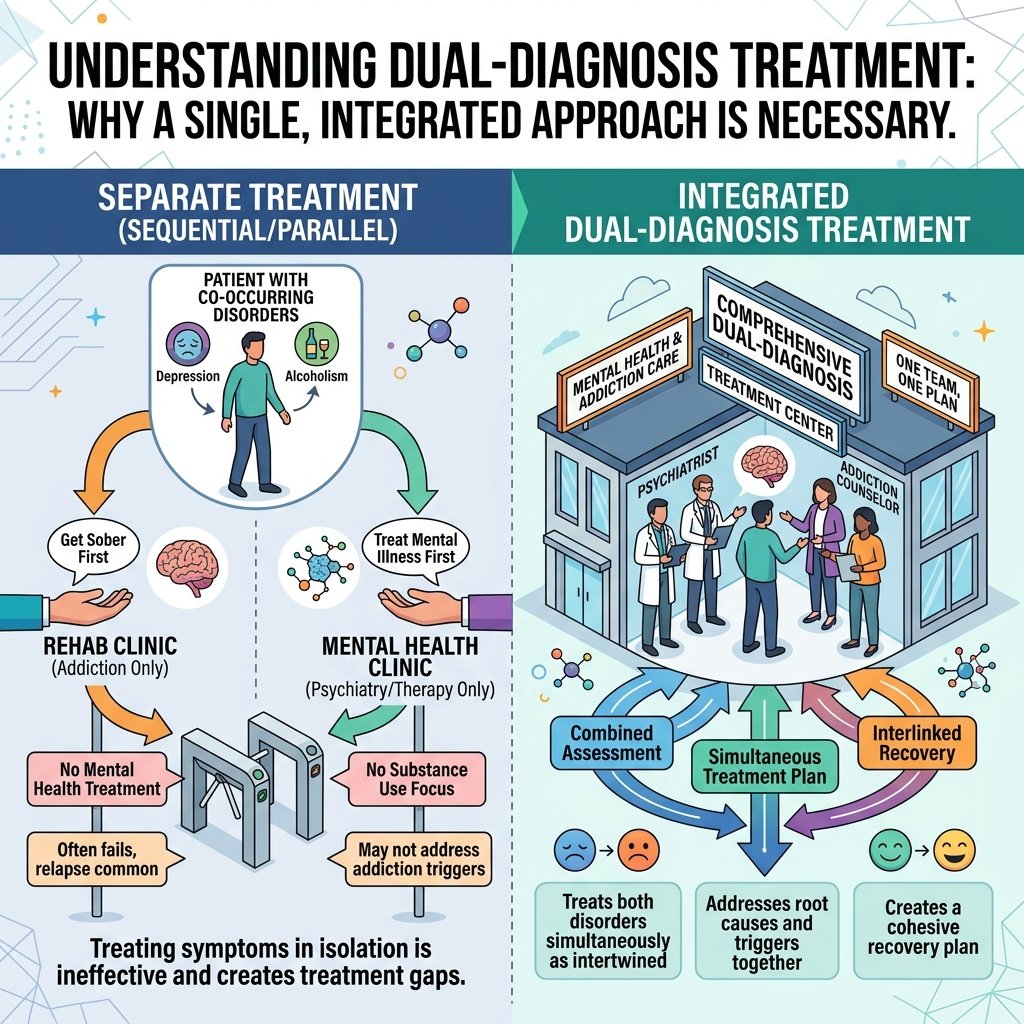
Dual Diagnosis Treatment in Islamabad, Pakistan is an essential healthcare service for individuals experiencing both a mental health disorder and a substance use disorder at the same time. These co-occurring conditions often influence one another, making diagnosis, treatment, and recovery more complex. Without addressing both conditions together, individuals may face ongoing challenges that increase the risk of relapse and interfere with long-term recovery.
Mental health disorders such as depression, anxiety, bipolar disorder, post-traumatic stress disorder (PTSD), and schizophrenia can coexist with addiction to alcohol, heroin, cannabis, prescription medications, or other substances. At The New Life Rehab & Psychiatric Center Islamabad, Pakistan, dual diagnosis treatment focuses on providing integrated, evidence-based care that addresses both mental health and addiction within a comprehensive treatment plan.
Understanding Dual Diagnosis Treatment in Islamabad, Pakistan
Dual diagnosis, also known as co-occurring disorders, refers to the presence of both a mental health condition and a substance use disorder in the same individual. These conditions often interact with one another, making recovery more challenging if only one issue is treated.
For example:
- Depression and alcohol addiction
- Anxiety disorder and prescription medication misuse
- PTSD and heroin addiction
- Bipolar disorder and stimulant addiction
- Schizophrenia and cannabis misuse
Integrated treatment aims to address both conditions simultaneously, improving overall health and supporting long-term recovery.
Common Mental Health Conditions Associated with Dual Diagnosis
Several mental health disorders frequently occur alongside substance use disorders.
Depression
Individuals experiencing depression may misuse drugs or alcohol in an attempt to manage persistent sadness, hopelessness, or emotional distress.
Anxiety Disorders
Chronic anxiety, panic attacks, and excessive worry may increase the risk of substance misuse as individuals seek temporary relief from symptoms.
Bipolar Disorder
Mood fluctuations associated with bipolar disorder may contribute to substance use, while addiction can worsen mood instability.
Post-Traumatic Stress Disorder (PTSD)
People who have experienced traumatic events may develop PTSD and use substances as an unhealthy coping mechanism.
Schizophrenia and Other Psychotic Disorders
Some individuals with psychotic disorders may also experience substance misuse, which can complicate diagnosis and treatment.
Why Integrated Treatment Is Important
Treating only addiction or only the mental health condition may leave important aspects of recovery unaddressed.
Integrated treatment offers several benefits:
Comprehensive Assessment
Healthcare professionals evaluate both mental health symptoms and substance use history to develop a personalized treatment plan.
Coordinated Care
Mental health professionals, addiction specialists, and other healthcare providers work together to support recovery.
Reduced Risk of Relapse
Addressing both conditions simultaneously may help reduce relapse risk by treating the underlying causes of substance use.
Improved Quality of Life
Integrated care supports emotional stability, healthier relationships, and improved daily functioning.
Signs That May Indicate a Dual Diagnosis
Individuals experiencing co-occurring disorders may show a combination of mental health and addiction symptoms.
Common signs include:
- Persistent anxiety or depression
- Mood swings
- Difficulty concentrating
- Social withdrawal
- Increased substance use
- Strong cravings
- Sleep disturbances
- Emotional instability
- Difficulty managing daily responsibilities
- Continued substance use despite negative consequences
A professional assessment is essential to determine whether a dual diagnosis is present.
Treatment Approaches for Dual Diagnosis
Effective Dual Diagnosis Treatment in Islamabad, Pakistan combines multiple therapeutic approaches to address each individual’s unique needs.
Comprehensive Clinical Evaluation
Treatment begins with a detailed assessment of physical health, psychiatric history, substance use patterns, and personal recovery goals.
Medical Detoxification
When physical dependence is present, medically supervised detoxification may be recommended before beginning ongoing rehabilitation.
Individual Counseling
One-on-one counseling helps individuals understand the relationship between mental health symptoms and substance use while developing healthier coping strategies.
Cognitive Behavioral Therapy (CBT)
CBT is widely used to help individuals recognize negative thought patterns, improve emotional regulation, manage cravings, and reduce relapse risk.
Medication Management
When clinically appropriate, psychiatric medications may be prescribed and monitored by qualified healthcare professionals as part of an overall treatment plan.
Family Support Programs
Family counseling helps improve communication, increase understanding, and strengthen support during recovery.
At The New Life Rehab & Psychiatric Center Islamabad, Pakistan, treatment plans are individualized to address both mental health conditions and substance use disorders in a coordinated manner.
Long-Term Recovery and Aftercare
Recovery from dual diagnosis is an ongoing process that extends beyond the initial phase of treatment.
Long-term recovery may include:
- Continuing individual therapy
- Regular psychiatric follow-up
- Relapse prevention planning
- Stress management techniques
- Healthy lifestyle habits
- Family participation
- Community and peer support
Consistent follow-up care can help individuals maintain progress and improve overall well-being.
Frequently Asked Questions (FAQs)
1. What is dual diagnosis?
Dual diagnosis refers to the presence of both a mental health disorder and a substance use disorder occurring at the same time.
2. Why is integrated treatment important?
Integrated treatment addresses both conditions together, helping improve recovery outcomes and reducing the risk of relapse.
3. Can anxiety and addiction occur together?
Yes. Anxiety disorders commonly occur alongside substance use disorders, making comprehensive assessment and treatment important.
4. Does everyone with addiction have a mental health disorder?
No. While many individuals experience co-occurring conditions, not everyone with addiction has a diagnosed mental health disorder.
5. Can people recover from dual diagnosis?
Yes. With individualized treatment, counseling, psychiatric care, family support, and ongoing recovery planning, many individuals successfully manage both conditions and improve their quality of life.
Conclusion
Dual Diagnosis Treatment in Islamabad, Pakistan provides comprehensive care for individuals experiencing both mental health disorders and substance use disorders. Because these conditions often influence one another, integrated treatment is essential for addressing the full range of physical, emotional, and psychological needs. Through professional assessment, medical care, counseling, behavioral therapies, medication management when appropriate, and family involvement, individuals can build a stronger foundation for long-term recovery. The New Life Rehab & Psychiatric Center Islamabad, Pakistan is committed to delivering compassionate, evidence-based dual diagnosis treatment that supports recovery, emotional wellness, and lasting improvements in overall quality of life.