Seeking addiction treatment can be a significant decision for individuals and families. For some people, privacy, personalized attention, a structured environment, and comfortable surroundings are important considerations when choosing a rehabilitation setting. A VIP Rehab Facility may provide a more private treatment environment while still focusing on evidence-informed addiction care, counseling, recovery planning, and ongoing support.
The purpose of a VIP rehabilitation setting should not simply be comfort or exclusivity. Quality addiction treatment should remain centered on the individual’s clinical needs, dignity, privacy, and long-term recovery goals.
What Is a VIP Rehab Facility?
A VIP Rehab Facility is generally designed to provide a more private and individualized rehabilitation experience. Depending on the facility, this may include private accommodation, personalized schedules, increased privacy, individualized counseling, comfortable common areas, and additional support services.
However, facilities can differ considerably in what they offer. Individuals and families should look beyond the term “VIP” and evaluate the qualifications of the treatment team, assessment process, treatment methods, privacy practices, and continuing-care arrangements.
At The New Life Rehab & Psychiatric Center Islamabad, Pakistan, an individualized approach can help ensure that addiction treatment is considered according to the person’s circumstances rather than using exactly the same plan for everyone.
Why Privacy Can Matter During Addiction Treatment
Privacy can be an important concern for people entering rehabilitation. Individuals may worry about stigma, workplace responsibilities, family concerns, or the possibility of their treatment becoming known to others.
A private treatment environment can provide a greater sense of personal space and allow individuals to focus on treatment with fewer unnecessary distractions.
Confidentiality should remain an important consideration regardless of whether treatment is described as VIP, residential, outpatient, or another type of care.
Personalized Addiction Assessment
Effective rehabilitation begins with understanding the individual. Addiction can develop through a combination of biological, psychological, behavioral, family, and social factors.
A comprehensive assessment may consider:
- Substance or substances being used
- Duration and pattern of use
- Previous treatment experiences
- Withdrawal history
- Physical health
- Mental health concerns
- Family and social circumstances
- Relapse history
- Personal recovery goals
This information can help treatment professionals develop a more appropriate recovery plan.
Individual Counseling and Therapy
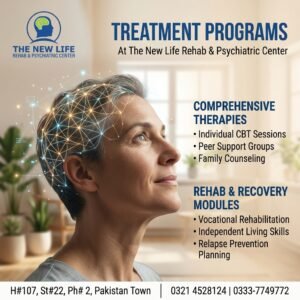
One of the important components of personalized rehabilitation is individual counseling. Private sessions allow individuals to discuss sensitive experiences, emotional challenges, behavioral patterns, relationships, and circumstances connected with substance use.
Therapeutic approaches such as Cognitive Behavioral Therapy (CBT) may help individuals recognize unhelpful thinking patterns and develop healthier responses to difficult situations.
Counseling can also focus on emotional regulation, communication, stress management, decision-making, and coping strategies that can be used after leaving treatment.
Detoxification and Withdrawal Support
Some individuals entering rehabilitation may require detoxification before beginning or continuing a broader treatment program. Withdrawal can vary depending on the substance, amount and duration of use, and individual health.
Certain substances can cause serious withdrawal complications. Alcohol and some sedative medications, for example, can produce potentially dangerous withdrawal symptoms. Professional assessment is therefore important before attempting to stop significant substance use.
A VIP Rehab Facility should maintain a clear approach to withdrawal management and should ensure that individuals receive an appropriate level of medical care when required.
Mental Health and Dual Diagnosis Support
Addiction and mental health difficulties can sometimes occur together. Depression, anxiety, trauma-related symptoms, and other psychological concerns may influence substance use and recovery.
When both substance-use and mental health concerns are present, treatment planning may need to address both. Ignoring an underlying psychological difficulty can make long-term recovery more challenging for some individuals.
An individualized rehabilitation plan can include appropriate psychological or psychiatric support when clinically indicated.
Family Involvement in Recovery
Addiction affects families as well as individuals. Family members may experience worry, frustration, confusion, or difficulty understanding how to support someone during recovery.
Family education and counseling can help improve communication and establish healthier boundaries. With the individual’s consent and when clinically appropriate, relatives may participate in selected parts of the recovery process.
A supportive family environment can also make the transition from structured treatment to everyday life more manageable.
Preparing for Life After Rehabilitation
A private rehabilitation environment can provide structure during treatment, but long-term recovery continues beyond the facility. Individuals may eventually return to work, family responsibilities, education, or their usual community.
For this reason, treatment should include preparation for life after rehabilitation. Relapse prevention planning can help individuals identify personal triggers, recognize warning signs, and develop strategies for managing cravings and stressful situations.
Continuing counseling, family support, healthy routines, and appropriate follow-up can also become part of an individual’s long-term recovery plan.
Choosing a VIP Rehab Facility
When considering a VIP Rehab Facility, families should ask practical questions rather than relying only on labels or promises.
Important considerations include:
- Are qualified healthcare professionals involved?
- Is there a proper assessment before treatment begins?
- How are withdrawal risks managed?
- Is individual counseling available?
- How are mental health concerns addressed?
- What privacy and confidentiality measures are followed?
- Is family support available?
- What happens after the residential treatment period ends?
These questions can help individuals make an informed decision based on treatment quality and personal needs.
Frequently Asked Questions
1. What does a VIP Rehab Facility provide?
A VIP rehabilitation facility generally focuses on privacy, individualized attention, comfortable surroundings, and structured addiction treatment. Specific services vary between facilities and should be confirmed before treatment begins.
2. Is VIP rehabilitation only about luxury and comfort?
No. While privacy and comfort may be features of a VIP setting, effective rehabilitation should focus primarily on appropriate assessment, addiction treatment, psychological support, safety, and long-term recovery planning.
3. Can VIP rehabilitation include detoxification?
It may. Detoxification can be part of treatment when clinically appropriate, but withdrawal management should be based on the substance involved and the individual’s medical needs.
4. Can mental health problems be treated alongside addiction?
Yes. When a person experiences both addiction and mental health concerns, treatment can be planned to address both areas. This is sometimes referred to as treatment for co-occurring or dual-diagnosis conditions.
5. What should families consider when choosing a VIP rehab facility?
Families should consider professional qualifications, assessment procedures, treatment methods, withdrawal management, privacy practices, counseling, family involvement, and continuing-care arrangements rather than focusing solely on accommodation or luxury features.
Conclusion
A VIP Rehab Facility can offer individuals a private and personalized environment for addiction treatment and recovery support. Privacy, individualized counseling, comfortable surroundings, and structured care may be valuable, but the quality of treatment should remain the central consideration.
At The New Life Rehab & Psychiatric Center Islamabad, Pakistan, individualized addiction care can incorporate assessment, counseling, behavioral support, relapse prevention, family involvement, and appropriate mental health support. A thoughtful treatment plan can help individuals address both immediate challenges and the skills needed for longer-term recovery.