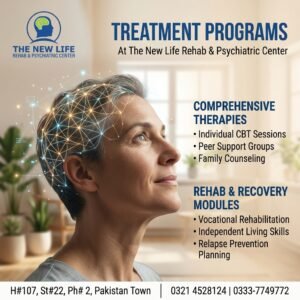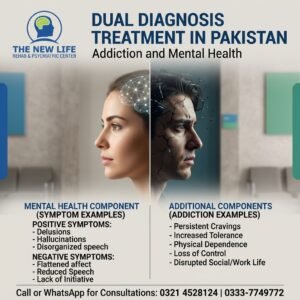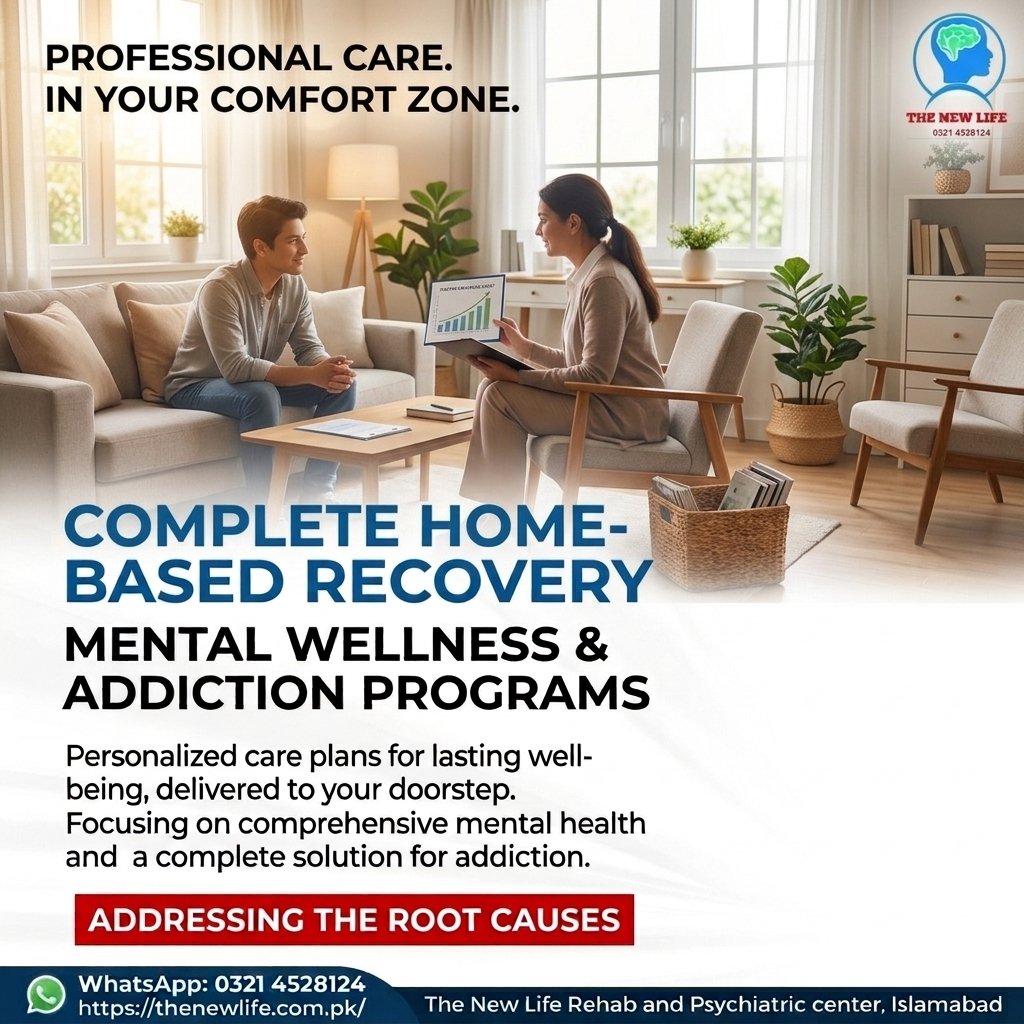
Home treatment equips someone with professional addiction and mental health support from the comfort of their own home. For individuals who are medically stable and have a supportive home that is prepared to accept them, home-based care offers more flexibility, more privacy, and continuity of care while allowing the person to retain some ADLs. Nonetheless, this kind of treatment ought to be completely investigated and overseen by suitable clinical experts to guarantee it is fitting for the person’s condition.
If you are looking for a Home-Based Treatment Program in Islamabad, Pakistan then the first place of knowledge is to learn what home based care means and who can benefit from it. The home-based treatment programs at the The New Life Rehab & Psychiatric Center Islamabad, Pakistan are designed based on your clinical symptoms, healing plan goals, and medical history.
What is a Home-Based Treatment Program?
What is a home-based treatment programmed? A Home Base Treatment programmed simply refers to the fact that your recovery or supportive services can be delivered at your home as opposed to in-clinic, with the same professionals who skill in delivering addiction and mental health services. While the services they offer vary by location, common options include monitoring for medical issues, counseling, psychotherapy, family education and relapse prevention.
This method could be suitable for chosen individuals who have been assessed by appropriate healthcare specialists and do not need continuous inpatient look after.
Benefits of Home-Based Treatment
A home treatment program is a good option for those who:
- And mild to moderate substance use disorders
- Coming out of inpatient rehab
- Increased need for therapy and psychological care
- Have stable physical health
- Receive stable and nurturing home environments
- Work safely while dealing with family or work responsibilities
Care at home is not always the best option, and a thorough clinical assessment will help answer whether it really is.
Conditions That May Be Supported
A home treatment program for you can help support those recovering from:
- Alcohol addiction
- Drug addiction
- Opioid dependence
- Heroin addiction
- Cocaine addiction
- Crystal Meth (ICE) addiction
- Cannabis dependence
- Anxiety disorders
- Depression
- Stress-related conditions
- Dual diagnosis (Concurrent Services )
Treatment options are based on the unique medical/psychological needs of the individual.
Why a Home-Based Treatment Program Is Beneficial
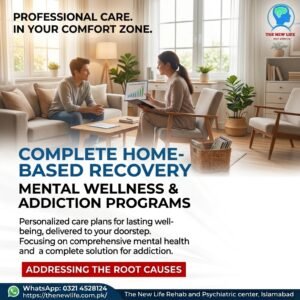
Home care can offer a number of benefits to suitable patients.
Comfortable Recovery Environment
Staying in an atmosphere they are used to may not keep pressure levels greater and could possibly allow them feel better inside whenever undergoing treatment.
Family Involvement
Family therapy sessions can also include education and counseling, allowing family members to learn more about recovering from addiction and how they can effectively help their loved one.
Individualized Care
You receive a treatment plan tailored meds to your health condition, recovery milestones and improvement.
Greater Privacy
For individuals whom want to heal in their surroundings, home-based care aka private healing ache is one such method of remedy.
Continuity of Daily Life
Depending upon the nature of your illness, some people might continue with certain work or academic or family obligations while in treatment.
Components of Home-Based Treatment
Comprehensive Assessment
The treatment process starts with an extensive assessment of physical health, mental health, substance use history, and home situation.
Individual Counseling
Counseling sessions regularly help individuals get a better understanding of the emotional and behavioral aspects that are playing a role in his or her addiction to substances.
Cognitive Behavioral Therapy (CBT)
Cognitive-behavioral therapy (CBT) is an evidence-based approach that assists in identifying maladaptive thinking patterns and developing adaptive coping mechanisms.
Family Counseling
Fact: Family support is vital in recovery as it helps with communication, improves relationships, and promotes healthy lifestyle changes.
Medication Management
Monitoring prescribed medications when clinically appropriate can be part of the overall care process.
Relapse Prevention Planning
Patients are taught tools for identifying triggers, coping with stress and remaining sober in the long term.
Never underestimate the need for mental health services
Individuals in addiction treatment often suffer from mental health disorders as well, including:
- Anxiety
- Depression
- Chronic stress
- Trauma-related disorders
Treating co-occurring mental-health and substance-use disorders may lead to better success for both problems.
Is Home Based Treatment for Everyone?
Not all individuals can be treated in the home setting. Individuals with serious withdrawal, the risk of medical complications due to drug use or other high-risk situations may need inpatient (also called residential) care before starting home treatment.
An assessment by a trained professional allows to decide on the most appropriate and safe level of care for everyone.
Recommended approach to treatment at The New Life Rehab & Psychiatric Center Islamabad, Pakistan depends on clinical assessment and the individual recovery needs of those in care.
Frequently Asked Questions (FAQs)
1. What is a home treatment program?
Occupational Treatment delivers specialized addiction and mental well-being solutions at the residence of a patient using their individualized treatment strategy.
2. Who is a candidate for home treatment?
It may be suitable for medically stable patients with a good support system at home, who do not need 24-hour inpatient supervision.
3. Do family members get treatment?
Yes. Home-based recover systems often can said include family counseling and education.
4. Does home-based treatment include counseling?
Yes. For individuals, this may include individual counseling, CBT, family counseling as appropriate and support with relapse prevention planning.
5. What factors determine that I am eligible for home-based treatment?
Mental health experts conduct a full mental evaluation of the patient who includes their physical health, mental health, drug abuse background, and home life before consulting on the best autistic treatment option.
Conclusion
For patients who are clinically appropriate for care outside of a residential setting, a home-based treatment program can offer a variable and supportive alternative. Home-based treatment can also be an important part of long-term recovery when coupled with professional oversight, counseling, engaging family members, and a plan to prevent relapse.
The New Life Rehab & Psychiatric Center Islamabad, Pakistan provide individualized, ethical, evidence-based Home-Based Treatment Program in Islamabad, Pakistan that support recovery while addressing the unique needs and challenges of each person. With careful evaluation and continuous professional support, people can begin the fade back to improved health, sustainability, and emotional balance.