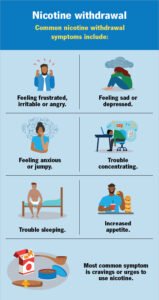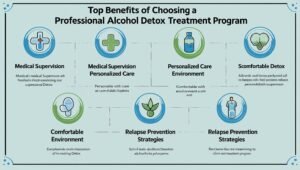
Alcohol Addiction in Islamabad, Pakistan is a serious health concern that can affect physical health, mental well-being, family relationships, work, and everyday life. What may begin as occasional drinking can develop into problematic alcohol use or Alcohol Use Disorder (AUD), particularly when drinking becomes difficult to control or continues despite harmful consequences.
Alcohol addiction is not simply a matter of willpower. It can involve changes in brain function, physical dependence, psychological factors, and environmental influences. With appropriate assessment and professional support, individuals can work toward recovery and develop healthier ways of managing stress and daily challenges.
At The New Life Rehab & Psychiatric Center Islamabad, Pakistan, addiction treatment is approached with compassion, privacy, and individualized care. Treatment planning considers the person’s alcohol-use history, physical health, mental health, family circumstances, and recovery needs.
Understanding Alcohol Addiction in Islamabad, Pakistan
Alcohol Use Disorder is a medical condition characterized by difficulty controlling alcohol consumption despite negative effects on health, relationships, responsibilities, or other areas of life.
Alcohol dependence can develop gradually. Some individuals may increase the amount or frequency of drinking over time, while others may experience strong cravings or withdrawal symptoms when they attempt to stop.
Common indicators can include:
- Drinking more or for longer than intended
- Repeated unsuccessful attempts to reduce drinking
- Strong cravings for alcohol
- Neglecting family, work, or educational responsibilities
- Continuing to drink despite health or relationship problems
- Spending considerable time obtaining or consuming alcohol
- Developing increased tolerance
- Experiencing withdrawal symptoms after reducing or stopping alcohol
A professional assessment can help determine the severity of alcohol-related problems and the appropriate level of care.
Causes and Risk Factors for Alcohol Addiction
Alcohol addiction usually develops through a combination of biological, psychological, and social factors rather than a single cause.
Genetic and Biological Factors
A family history of Alcohol Use Disorder may increase susceptibility to problematic drinking. Individual differences in brain chemistry can also influence how a person responds to alcohol.
Mental Health Concerns
Depression, anxiety, trauma, chronic stress, and other psychological difficulties may contribute to problematic drinking. Some individuals may use alcohol as an attempt to cope with uncomfortable emotions.
Environmental Factors
Social influences, family conflict, stressful circumstances, and environments where heavy drinking is common can contribute to unhealthy alcohol use.
Repeated Alcohol Consumption
Frequent drinking can lead to tolerance and dependence, making it increasingly difficult for some individuals to control their consumption.
Effects of Alcohol Addiction on Health
Long-term problematic alcohol use can affect multiple areas of health.
Physical complications may include:
- Liver disease
- High blood pressure
- Cardiovascular problems
- Pancreatitis
- Digestive problems
- Nutritional deficiencies
- Weakened immune function
Alcohol misuse can also affect mental and emotional health. Individuals may experience mood changes, anxiety, depression, sleep problems, memory difficulties, or problems with concentration.
Because alcohol addiction can coexist with mental health disorders, comprehensive assessment is an important part of treatment.
Alcohol Withdrawal and Detoxification
People who have developed significant alcohol dependence should not necessarily stop drinking abruptly without medical advice. Alcohol withdrawal can sometimes become severe and may require medical supervision.
Possible withdrawal symptoms include:
- Tremors
- Sweating
- Anxiety
- Nausea
- Headaches
- Restlessness
- Sleep difficulties
- Increased heart rate
In severe cases, alcohol withdrawal can involve serious complications, including seizures or delirium. For this reason, individuals with significant dependence should be evaluated by qualified healthcare professionals before attempting detoxification.
At The New Life Rehab & Psychiatric Center Islamabad, Pakistan, detoxification can be considered as part of a broader treatment plan when clinically appropriate.
Treatment for Alcohol Addiction
Effective alcohol addiction treatment generally involves more than detoxification. Once immediate withdrawal concerns have been addressed, ongoing rehabilitation can focus on the psychological, behavioral, and social aspects of addiction.
Individual Counseling
Individual therapy provides a confidential environment where patients can explore drinking patterns, emotional challenges, personal triggers, and recovery goals.
Cognitive Behavioral Therapy
Cognitive Behavioral Therapy (CBT) can help individuals identify unhelpful thoughts and behaviors, develop healthier coping mechanisms, and manage situations that may increase the risk of drinking.
Family Support
Alcohol addiction can affect the entire household. Family counseling can help improve communication, establish healthy boundaries, rebuild trust, and educate loved ones about addiction and recovery.
Relapse Prevention
A personalized relapse prevention plan can help individuals identify high-risk situations, recognize warning signs, manage cravings, and seek support when difficulties arise.
Dual Diagnosis and Alcohol Addiction
Some individuals experience alcohol addiction alongside mental health conditions such as depression, anxiety, bipolar disorder, or trauma-related disorders. This is commonly referred to as a dual diagnosis or co-occurring disorder.
Treating both conditions together can be important because untreated psychological symptoms may complicate addiction recovery. An integrated treatment plan can address substance use while providing appropriate mental health support.
Supporting Long-Term Recovery
Recovery continues after the initial treatment period. Individuals may benefit from ongoing counseling, follow-up appointments, family involvement, healthy routines, and relapse prevention strategies.
Helpful recovery practices include:
- Maintaining regular therapy appointments
- Developing a structured daily routine
- Managing stress through healthy activities
- Building supportive relationships
- Getting adequate sleep
- Avoiding high-risk environments
- Seeking professional help when warning signs appear
Recovery is an individual process, and the appropriate duration and intensity of continuing care can vary.
Frequently Asked Questions (FAQs)
1. What is alcohol addiction?
Alcohol addiction, commonly associated with Alcohol Use Disorder, is a medical condition in which a person has difficulty controlling alcohol consumption despite experiencing negative consequences.
2. What are common signs of alcohol addiction?
Signs may include strong cravings, increased tolerance, unsuccessful attempts to stop drinking, withdrawal symptoms, neglect of responsibilities, and continued drinking despite health or relationship problems.
3. Is alcohol detoxification safe to do at home?
For people with significant alcohol dependence, unsupervised withdrawal can be dangerous. A healthcare professional should assess the need for medically supervised detoxification.
4. Can alcohol addiction occur with depression or anxiety?
Yes. Alcohol use disorder can occur alongside depression, anxiety, trauma-related disorders, and other mental health conditions. Professional assessment can help identify co-occurring concerns.
5. What happens after alcohol detoxification?
Detoxification addresses the immediate physical effects of withdrawal but does not by itself treat the underlying addiction. Continued counseling, behavioral therapy, family support, and relapse prevention may be recommended.
Conclusion
Alcohol Addiction in Islamabad, Pakistan is a complex and treatable health condition that can affect physical health, psychological well-being, relationships, and everyday responsibilities. Recognizing the warning signs and seeking appropriate professional support can be an important step toward recovery. Treatment may involve assessment, medically supervised detoxification when necessary, counseling, behavioral therapy, family support, dual-diagnosis care, and relapse prevention.
The New Life Rehab & Psychiatric Center Islamabad, Pakistan provides an individualized approach to addiction and mental health care, recognizing that every person’s circumstances and recovery needs are different. With appropriate professional guidance and continued support, individuals affected by alcohol addiction can work toward healthier routines, improved well-being, and sustainable long-term recovery.