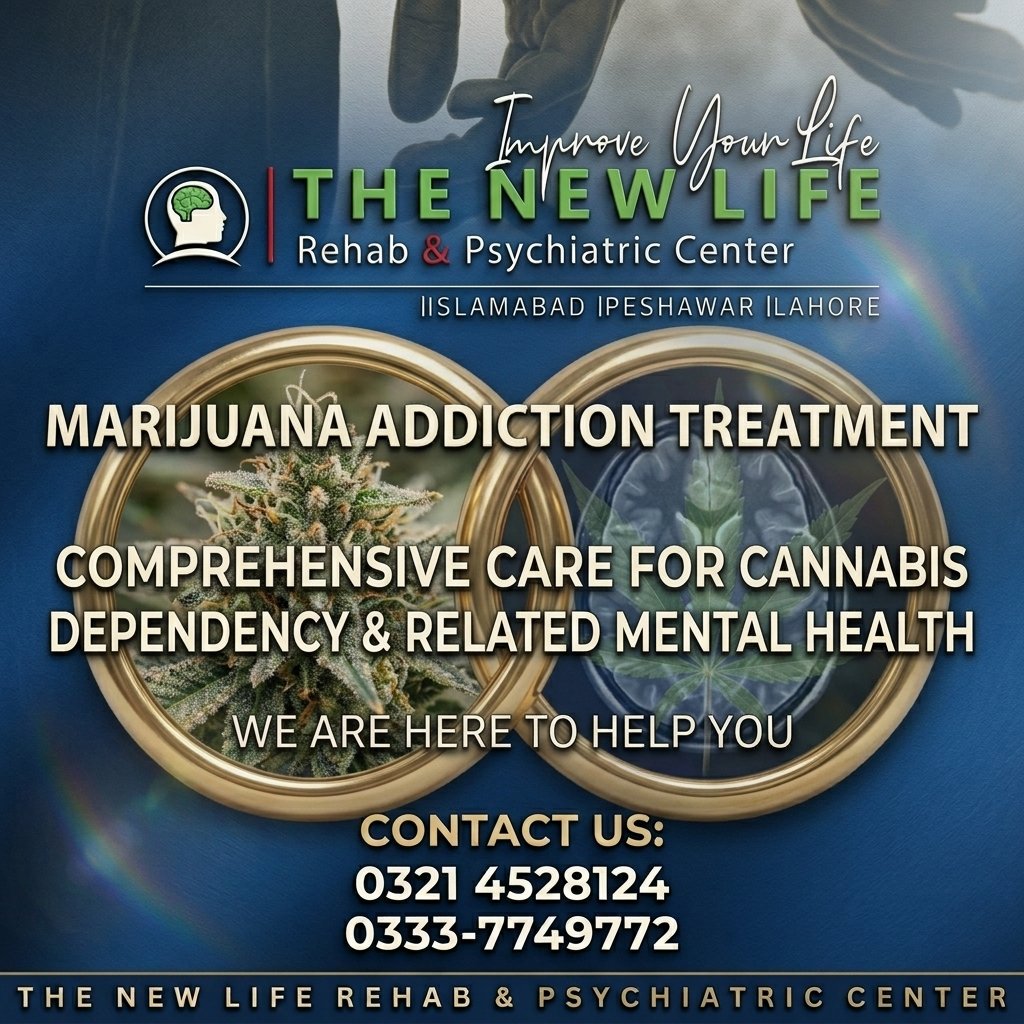
Cannabis/Marijuana Addiction in Islamabad, Pakistan is an important substance-use and mental health concern that can affect individuals across different age groups and backgrounds. Although cannabis is sometimes perceived as harmless because it is often associated with recreational use, frequent or heavy consumption can lead to dependence and make it difficult for some people to stop using it.
Cannabis use disorder can affect motivation, concentration, relationships, education, employment, and emotional well-being. Some individuals may also experience anxiety, mood changes, sleep difficulties, or other psychological concerns. Professional assessment can help determine whether cannabis use has become problematic and what type of support may be appropriate.
At The New Life Rehab & Psychiatric Center Islamabad, Pakistan, treatment is approached from an individualized and compassionate perspective, considering substance use, mental health, family circumstances, and each person’s recovery needs.
Understanding Cannabis/Marijuana Addiction in Islamabad, Pakistan
Cannabis contains psychoactive compounds, including THC, that interact with the brain’s cannabinoid receptors. Repeated exposure can contribute to tolerance and dependence in some individuals.
Cannabis use disorder may involve:
- Difficulty controlling cannabis use
- Strong cravings
- Using cannabis more frequently than intended
- Spending significant time obtaining or using cannabis
- Continuing use despite negative consequences
- Neglecting work, education, or relationships
- Experiencing withdrawal after stopping
Not everyone who uses cannabis develops an addiction. However, persistent difficulties controlling use can be a reason to seek professional evaluation.
Signs of Cannabis Dependence
Recognizing changes in behavior can help families and individuals identify when professional support may be needed.
Potential warning signs include:
- Increasing frequency of cannabis use
- Using larger amounts over time
- Unsuccessful attempts to quit
- Irritability when cannabis is unavailable
- Sleep disturbances after stopping
- Reduced motivation or concentration
- Withdrawal from family or social activities
- Continuing use despite physical, emotional, or social problems
A qualified professional can assess these symptoms and determine whether they meet the criteria for a substance use disorder.
Cannabis Withdrawal Symptoms
Individuals who use cannabis frequently may experience withdrawal symptoms after significantly reducing or stopping consumption. Symptoms vary from person to person.
Possible symptoms include:
- Irritability
- Anxiety
- Restlessness
- Sleep difficulties
- Reduced appetite
- Headaches
- Mood changes
- Strong cravings
- Difficulty concentrating
Cannabis withdrawal is generally not considered medically dangerous in the same way as withdrawal from some substances, but symptoms can be uncomfortable and may make continued abstinence difficult.
Mental Health and Cannabis Use
Cannabis use and mental health can be closely connected. Some individuals may use cannabis while experiencing stress, anxiety, depression, trauma, or other psychological difficulties. At the same time, frequent cannabis use may worsen certain symptoms in some people.
This relationship can make assessment particularly important.
Individuals experiencing both cannabis-related problems and a mental health condition may require an integrated treatment approach. The New Life Rehab & Psychiatric Center Islamabad, Pakistan can consider both aspects when developing an individualized treatment plan.
Professional Treatment for Cannabis Addiction
Treatment for cannabis addiction depends on the severity of the problem and the individual’s physical and psychological needs. Unlike substances that commonly produce dangerous physical withdrawal, cannabis treatment often places significant emphasis on behavioral and psychological interventions.
Comprehensive Assessment
A professional assessment can examine cannabis use patterns, withdrawal symptoms, mental health, physical health, family circumstances, and previous attempts to stop using cannabis.
Individual Counseling
Counseling provides an opportunity to explore triggers, motivations, emotional difficulties, and behavioral patterns associated with cannabis use.
Cognitive Behavioral Therapy
Cognitive Behavioral Therapy (CBT) can help individuals identify unhelpful thought patterns, manage cravings, develop healthier responses to stress, and make constructive behavioral changes.
Relapse Prevention
A personalized relapse prevention plan can help individuals recognize high-risk situations and prepare strategies for managing cravings and difficult emotions.
Family Support
Family counseling and education can help loved ones understand cannabis use disorder, communicate more effectively, establish appropriate boundaries, and provide constructive support.
Cannabis Addiction and Dual Diagnosis
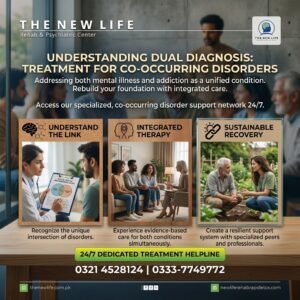
Some individuals experiencing cannabis addiction may also have co-occurring mental health conditions. These can include anxiety disorders, depression, trauma-related conditions, or other psychiatric concerns.
When addiction and mental health problems occur together, treating only one issue may leave important factors unresolved. An integrated approach can address substance use and mental health within the same overall recovery plan.
Supporting Long-Term Recovery
Stopping cannabis use is only one part of recovery. Individuals may also need to develop healthier routines and address the circumstances that contributed to problematic use.
Helpful recovery strategies may include:
- Maintaining regular counseling
- Identifying personal triggers
- Building supportive relationships
- Developing healthy hobbies
- Improving sleep routines
- Practicing stress-management techniques
- Avoiding environments associated with substance use
- Following an individualized aftercare plan
Family members can also contribute by providing encouragement without judgment while respecting the individual’s treatment plan and personal boundaries.
Frequently Asked Questions (FAQs)
1. What is Cannabis/Marijuana Addiction?
Cannabis or marijuana addiction generally refers to cannabis use disorder, a condition in which a person has difficulty controlling cannabis use despite experiencing negative consequences.
2. Can cannabis cause dependence?
Yes. Frequent or heavy cannabis use can lead to tolerance and dependence in some individuals, and stopping after prolonged use may cause withdrawal symptoms.
3. What are common cannabis withdrawal symptoms?
Irritability, anxiety, sleep difficulties, reduced appetite, restlessness, mood changes, headaches, and cravings can occur after stopping frequent cannabis use.
4. Can cannabis addiction occur with mental health problems?
Yes. Cannabis use disorder can occur alongside conditions such as anxiety, depression, and trauma-related disorders. Professional assessment can help identify and address co-occurring concerns.
5. What treatment is available for cannabis addiction?
Treatment may include professional assessment, individual counseling, CBT, relapse prevention, family support, and treatment for co-occurring mental health conditions when appropriate.
Conclusion
Cannabis/Marijuana Addiction in Islamabad, Pakistan can affect an individual’s physical health, emotional well-being, relationships, education, employment, and daily functioning. While not every cannabis user develops dependence, persistent cravings, difficulty stopping, withdrawal symptoms, and continued use despite negative consequences should not be ignored. Professional assessment can help determine the appropriate level of care and identify any underlying mental health concerns. The New Life Rehab & Psychiatric Center Islamabad, Pakistan supports individualized treatment that may include counseling, behavioral therapy, family involvement, dual-diagnosis care, and relapse prevention. With appropriate professional guidance and continued support, individuals can work toward reducing harmful cannabis use and developing healthier, more stable patterns of living.