Relapse Control Program in Islamabad, Pakistan is an essential component of addiction recovery and long-term mental wellness. Recovering from drug or alcohol addiction is a continuous journey that extends beyond detoxification and rehabilitation. While completing treatment is a significant achievement, maintaining sobriety requires ongoing support, healthy coping strategies, and a structured plan to manage challenges that may arise after treatment.
Relapse does not mean treatment has failed. Instead, it can indicate that additional support, adjustments to the recovery plan, or renewed professional guidance may be needed. A well-designed relapse control program helps individuals recognize early warning signs, manage triggers, strengthen coping skills, and maintain long-term recovery. At The New Life Rehab & Psychiatatric Center Islamabad, Pakistan, relapse prevention is integrated into comprehensive addiction treatment to support lasting physical, emotional, and psychological well-being.
Understanding the Relapse Control Program in Islamabad, Pakistan
A relapse control program is a structured approach that helps individuals maintain recovery after completing addiction treatment. It focuses on identifying personal risk factors, strengthening healthy behaviors, and developing practical strategies to prevent a return to substance use.
Relapse prevention programs may benefit individuals recovering from:
- Alcohol addiction
- Heroin addiction
- Cannabis (Marijuana) addiction
- Cocaine addiction
- Crystal Meth addiction
- Prescription medication dependence
- Ecstasy (MDMA) addiction
- Nicotine addiction
These programs are also valuable for individuals with co-occurring mental health conditions who require ongoing emotional support.
Understanding the Stages of Relapse
Relapse is often a gradual process rather than a single event. Recognizing its stages can help individuals seek support before returning to substance use.
Emotional Relapse
During emotional relapse, individuals may not be thinking about using substances, but they may experience stress, isolation, anxiety, irritability, or neglect healthy routines.
Mental Relapse
Mental relapse involves internal conflict. A person may begin thinking about past substance use, romanticizing previous experiences, or struggling with cravings.
Physical Relapse
Physical relapse occurs when a person resumes using drugs or alcohol after a period of recovery.
Understanding these stages allows individuals and their support systems to respond early and effectively.
Common Triggers for Relapse
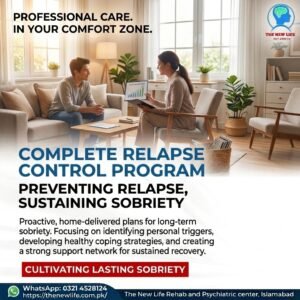
Every person’s triggers are different, but common relapse triggers include:
- Chronic stress
- Anxiety or depression
- Relationship conflicts
- Social pressure
- Exposure to environments associated with substance use
- Financial difficulties
- Loneliness
- Poor sleep habits
- Lack of ongoing support
Identifying personal triggers is an important step in creating an effective relapse prevention plan.
Components of a Relapse Control Program
A comprehensive Relapse Control Program in Islamabad, Pakistan combines therapeutic, educational, and supportive approaches to help individuals maintain recovery.
Individual Counseling
Regular counseling helps individuals explore emotional challenges, strengthen motivation, and develop healthier coping strategies.
Cognitive Behavioral Therapy (CBT)
CBT helps individuals identify negative thinking patterns, manage cravings, and respond to stressful situations in healthier ways.
Relapse Prevention Planning
A personalized relapse prevention plan outlines coping strategies, emergency contacts, recovery goals, and practical steps to manage high-risk situations.
Family Support
Family education and counseling improve communication, strengthen relationships, and encourage a supportive home environment.
Ongoing Monitoring
Regular follow-up appointments allow healthcare professionals to assess progress, address concerns, and adjust treatment plans when necessary.
At The New Life Rehab & Psychiatatric Center Islamabad, Pakistan, relapse prevention strategies are individualized to meet each person’s unique recovery needs.
Building Healthy Recovery Habits
Long-term recovery is strengthened through positive daily habits and lifestyle changes.
Helpful recovery practices include:
- Attending regular therapy sessions
- Maintaining a structured daily routine
- Exercising regularly
- Eating a balanced diet
- Practicing stress management techniques
- Getting adequate sleep
- Building supportive relationships
- Avoiding high-risk situations
These habits can improve emotional resilience and reduce the likelihood of relapse.
The Importance of Continuing Care
Recovery does not end after completing a rehabilitation program. Continuing care provides ongoing encouragement and accountability while helping individuals manage life’s challenges.
Continuing care may include:
- Follow-up counseling
- Psychiatric consultations
- Support groups
- Family therapy
- Recovery education
- Lifestyle coaching
Ongoing support helps individuals maintain confidence and remain focused on their recovery goals.
Frequently Asked Questions (FAQs)
1. What is a relapse control program?
A relapse control program is a structured plan that helps individuals maintain recovery by identifying triggers, developing coping strategies, and receiving ongoing professional support.
2. Does relapse mean treatment has failed?
No. Relapse can occur during recovery and may indicate the need for additional treatment, counseling, or adjustments to the recovery plan.
3. Why is relapse prevention important?
Relapse prevention helps individuals recognize early warning signs, manage cravings, and maintain long-term recovery.
4. Can family members help prevent relapse?
Yes. Family education and emotional support can encourage healthy routines, improve communication, and help identify early signs of difficulty.
5. How long should relapse prevention continue?
Recovery is an ongoing process. Many individuals benefit from continued counseling, follow-up care, and support for months or even years, depending on their needs.
Conclusion
Relapse Control Program in Islamabad, Pakistan plays an important role in helping individuals maintain long-term recovery from addiction while improving their overall mental and emotional well-being. Recovery involves much more than completing detoxification or rehabilitation—it requires continued commitment, healthy lifestyle changes, professional guidance, and strong support systems. Through individualized counseling, cognitive behavioral therapy, family involvement, relapse prevention planning, and ongoing follow-up care, individuals can build resilience and reduce the risk of returning to substance use. The New Life Rehab & Psychiatatric Center Islamabad, Pakistan is committed to providing compassionate, evidence-based relapse control programs that support lasting recovery, personal growth, and a healthier future.