Addiction and mental health are the core components that create a cycle of addiction, impacting almost every part of people’s lives; physical health, relationships, work life, daily life. Due to the variance between individual circumstances, care should be devised with an individualized assessment as opposed to a final treatment option. Structured Treatment Programs in Islamabad, Pakistan offer varying levels of expert care based on physical and psychological necessities as well as obtainment goals.
At The New Life Rehab & Psychiatric Center Islamabad, Pakistan, a treatment plan that emphasizes tailored care and dignity through respect. Programs may be based on drug addiction, alcohol addiction, behavioral problems, mental health disorders, relapse prevention and co-occurring disorders depending on what the clinical needs are.
What Are Treatment Programs?
Treatment programs are systematically organized and delivered healthcare systems to remedy a specific disease or recovery need. For instance, in the case of addiction care, treatment may start with assessment and withdrawal management before transitioning to counseling, behavioral therapy, rehabilitation, or ongoing continuing care.
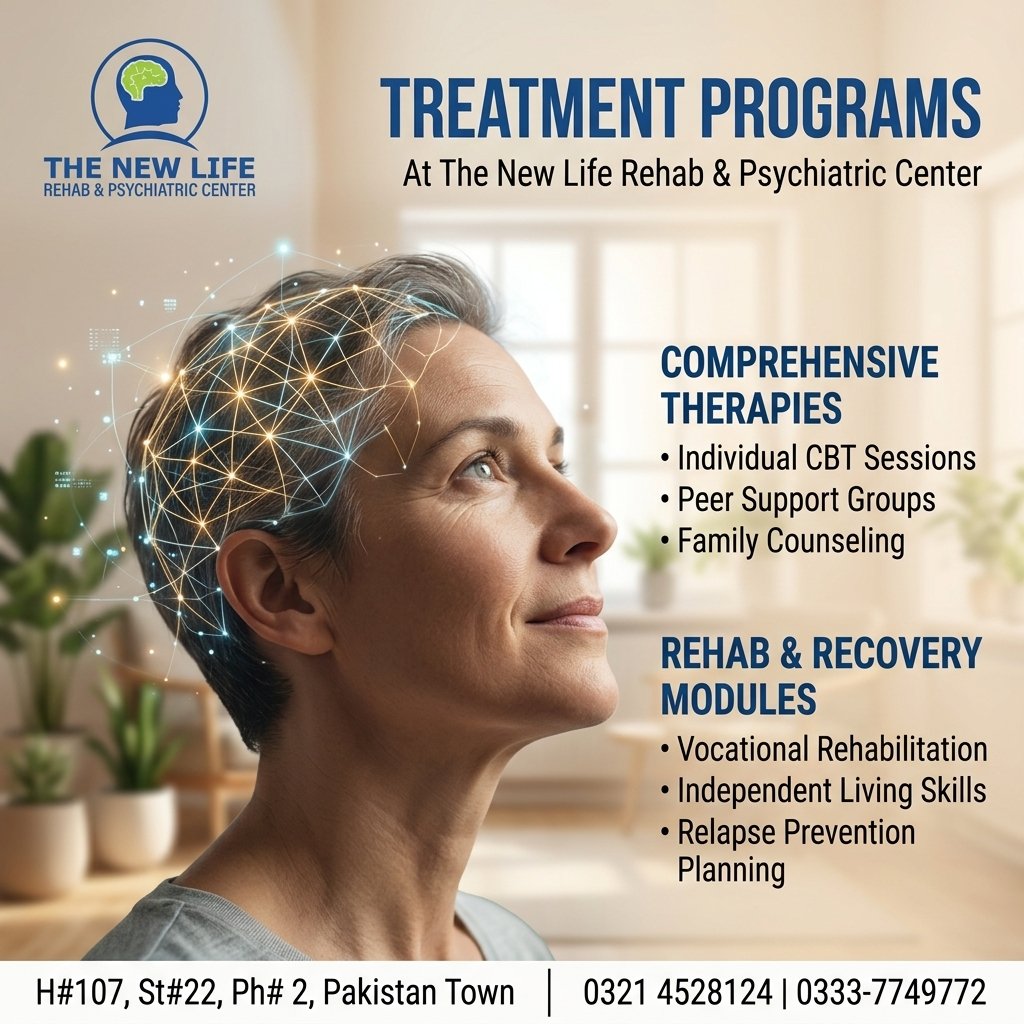
A treatment plan may include:
- Medical assessment
- Detoxification and withdrawal management
- Individual counseling
- Group therapy
- Cognitive Behavioral Therapy (CBT)
- Family support
- Mental health care
- Relapse-prevention planning
- Aftercare and follow-up
Every individual is not applicable for every service; The correct blend is contextual.
Treatment Programs at Different Levels
There are multiple settings for how treatment can be delivered. The threshold is influenced by safety, medical issues, psychological signs and symptoms, domestic conditions, and substance use severity.
Residential Rehabilitation
Residential Treatment traditional residential treatment center is a structured setting where the individual with addiction can safely stabilize, away from some of the triggers and habits that accompany substance use.
It also should be taken into account for persons who need more structure or whose home environment is not conducive to an early recovery.
Outpatient Treatment
For well-suited candidates, outpatient care enables individuals to get the treatment they need on a planned basis, while at home. This could involve counselling, therapies, appropriate medication management and potential review appointments.
Home-Based Treatment
Specific recovery services may occur at home for selected medically stable patients. Provides services such as counseling, family support other recovery education and continuing-care services.
It is not appropriate for individuals who need ongoing medical monitoring or have moderate-severe withdrawal or psychiatric risks.
Detoxification and Withdrawal Management
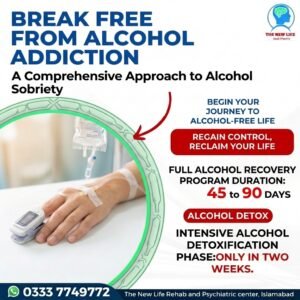
Detoxification: For individuals who have developed physical dependence on alcohol, drugs or certain medications, detoxification may be the first step in treatment.
Withdrawal symptoms can vary from relatively minor to medically severe. Especially alcohol and benzodiazepine withdrawal which can be hazardous at times.
A professional assessment assesses whether you need medical assisted withdrawal management.
Detoxification is never a solution in itself to beat addiction. Psychological and behavioral care continues after the withdrawal phase.
Individual Counseling and Behavioral Therapy
Counseling helps the person learn to understand substance use and instead turn to other examples on how to cope in a healthy way.
Therapy may address:
- Cravings
- Emotional distress
- Stress
- Negative thought patterns
- Relationship difficulties
- Substance-use triggers
- Unhealthy behaviors
- Recovery goals
Cognitive Behavioral Therapy
Cognitive behavioral therapy (CBT) is a type of psychological therapy that focuses on changing patterns associated with maladaptive thoughts and behaviors, enabling individuals to identify unhelpful thoughts and behaviors and learn new ways of coping.
Mental Health Treatment
Mental health issues can be present with or without addiction. How depression, anxiety, trauma-related conditions and neurological problems affect recovery.
This is typically what is known as a dual diagnosis or co-occurring disorder—when an addiction happens at the same time as a mental health condition.
An integrated Mira of concern rather being solely focused on isolating substance use.
If clinically appropriate, mental health needs can be addressed in an individualized treatment plan at The New Life Rehab & Psychiatric Center Islamabad, Pakistan.
Family Support Programs
At the same time, addiction is a family issue. Stress, fear, frustration and uncertainty of how to help can be faced by relatives.
Family support may include:
- Education about addiction
- Family counseling
- Communication guidance
- Healthy boundary setting
- Relapse-prevention education
- Support for caregivers
Incorporation of family involvement must be performed with respect to privacy, consent and treatment needs of the individual.
Relapse Prevention and Aftercare
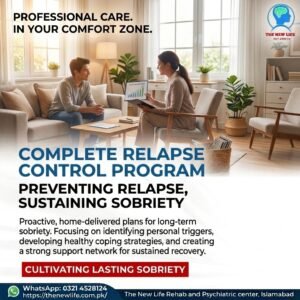
This process doesn’t end with the initial treatment period. Returning to prior environments, unmanaged stress and emotional challenges, along with exposure to substance-based triggers put the individual at high risk of relapse.
A continuing-care plan may include:
- Follow-up counseling
- Trigger identification
- Craving-management strategies
- Healthy daily routines
- Family support
- Mental health follow-up
- Relapse-prevention planning
- Appropriate peer or community support
In the event of a relapse, this process can be used to assess what factors contributed to it and if treatment needs to be adjusted.
A guide on selecting a suitable treatment program
When selecting a treatment center, the focus should not be simply on facilities or program names. They can also ask practical questions like?
- The qualifications of healthcare professionals
- How patients are assessed
- How withdrawal risks are managed
- Whether mental health is evaluated
- Available counseling approaches
- Family involvement
- Continuing-care arrangements
- Protocols have been established for medical or psychological emergencies.
The correct program is one that meets the individual’s clinical needs and offers an appropriate balance of safety and structure.
Frequently Asked Questions (FAQs)
1. Why are Treatment Programs for addiction?
In this, treatment programmed is a type of structure based services which may include assessment withdrawal management two recovery types and other education bundle like recommendation in fair Treatment Centers with counseling used to provide behavioral therapy family support relapse prevention care etc.
2. How long does it take to do addiction treatment?
There is no standard duration. Average treatment lengths vary with the substance used, severity of use disorder, co-occurring mental and physical conditions, response to treatment, and ongoing care needs.
3. Detoxication is not enough for addiction recovery
No. Detox is the physical withdrawal process, but it does not directly help with the psychological, behavioral and social components of addiction.
4. Does treatment work for both addiction and mental health?
Yes. Integrated or dual-diagnosis care may target both issues as a unified treatment plan when substance use and mental health conditions co-occur.
5. Are family members allowed to be involved in treatment?
Where clinically appropriate, families could be involved in education and counseling, supported communication strategies and relapse-prevention planning whilst safeguarding the privacy and consent of the individual.
Conclusion
Structured support for individuals struggling with addiction, mental health concerns or both is available through well-conceived Treatment Programs in Islamabad, Pakistan. Treatment is individualized because no two people have the same medical history, psychological needs or recovery situations.
Depending on the individual, The New Life Rehab & Psychiatric Center Islamabad, Pakistan can include evaluation, withdrawal management, counseling, behavioral therapy, mental health treatment, family involvement, prevention relapse along with aftercare. Safe, ethical, respectful care that is based on evidence-informed practices which promote meaningful outcomes across the course of recovery should continue to be the priority.