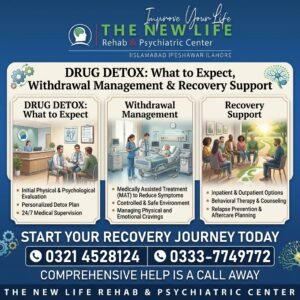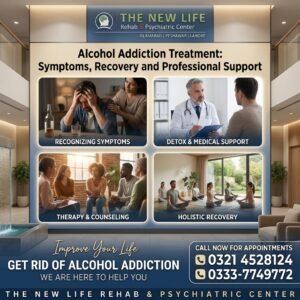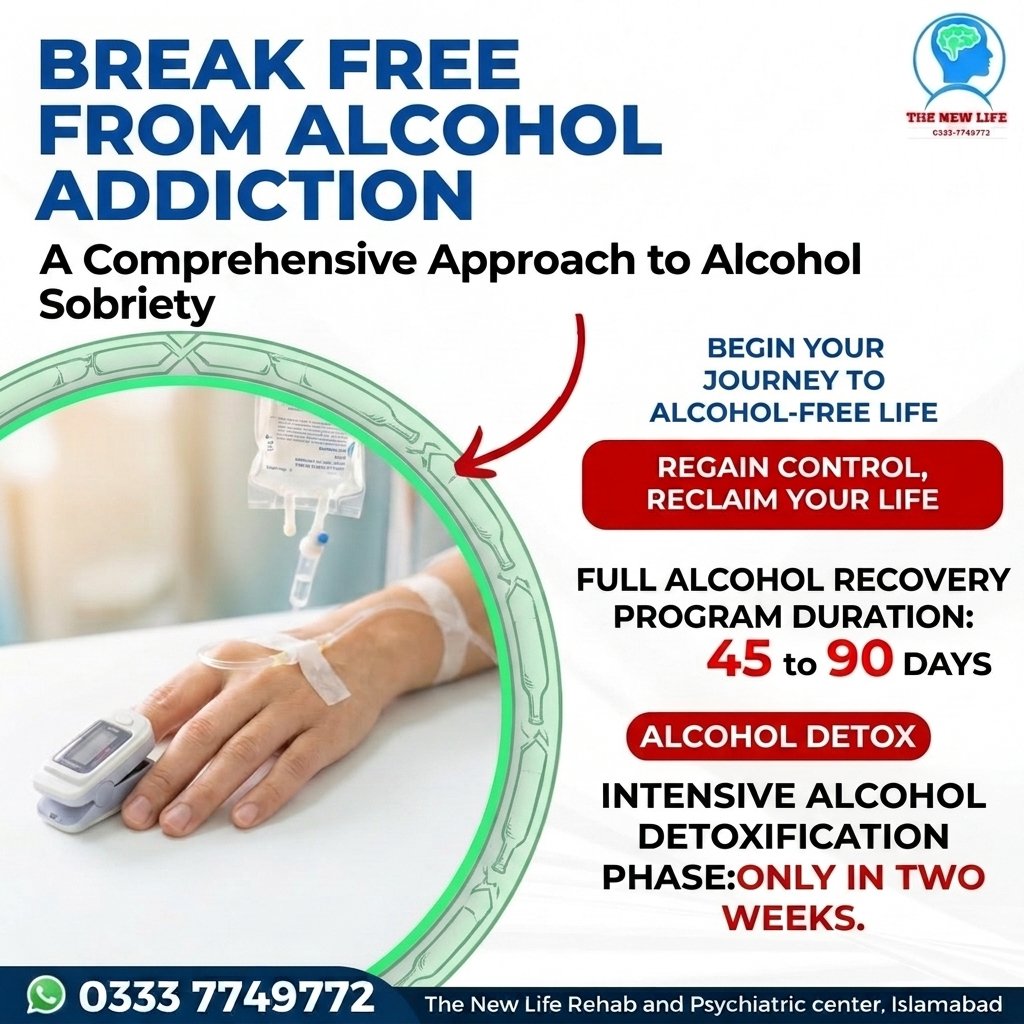
Alcohol Addiction in Islamabad, Pakistan is a growing health concern that affects individuals, families, and communities across the country. While alcohol consumption may begin as occasional or social use, repeated drinking can develop into alcohol dependence, making it increasingly difficult for individuals to stop without professional support. Alcohol addiction can impact physical health, mental well-being, relationships, employment, and overall quality of life.
Alcohol Use Disorder (AUD) is recognized as a chronic but treatable medical condition. Early identification, professional assessment, and evidence-based treatment can help individuals manage addiction and work toward long-term recovery. At The New Life Rehab & Psychiatric Center Islamabad, Pakistan, comprehensive treatment programs focus on addressing both the physical and psychological aspects of alcohol addiction through personalized care and ongoing recovery support.
Understanding Alcohol Addiction in Islamabad, Pakistan
Alcohol addiction, also known as Alcohol Use Disorder (AUD), occurs when a person becomes unable to control or stop drinking despite experiencing negative consequences. Regular alcohol use changes brain chemistry, leading to increased tolerance, dependence, and withdrawal symptoms when alcohol consumption is reduced or stopped.
Alcohol addiction exists on a spectrum and may range from mild to severe. Without appropriate treatment, it can affect nearly every area of an individual’s life.
Common Signs and Symptoms of Alcohol Addiction
Recognizing the warning signs of alcohol addiction is important for seeking timely professional care.
Physical Symptoms
- Increased tolerance to alcohol
- Shaking or tremors
- Sweating
- Nausea or vomiting
- Sleep disturbances
- Fatigue
- Poor coordination
- Frequent blackouts or memory lapses
Psychological Symptoms
- Anxiety
- Depression
- Mood swings
- Irritability
- Difficulty concentrating
- Feelings of guilt or hopelessness
- Loss of motivation
Behavioral Symptoms
- Drinking despite health or relationship problems
- Unsuccessful attempts to stop drinking
- Neglecting work, school, or family responsibilities
- Secretive drinking
- Social withdrawal
- Spending excessive time obtaining or consuming alcohol
The severity of symptoms may increase as alcohol dependence progresses.
Causes and Risk Factors
Alcohol addiction develops through a combination of biological, psychological, and environmental influences.
Genetic Factors
A family history of alcohol dependence may increase an individual’s susceptibility to developing Alcohol Use Disorder.
Mental Health Conditions
Depression, anxiety disorders, trauma, and chronic stress may contribute to unhealthy alcohol use as individuals attempt to cope with emotional distress.
Environmental Influences
Peer pressure, social environments, family conflict, and stressful life events can increase the risk of problematic drinking.
Long-Term Alcohol Consumption
Repeated alcohol use changes the brain’s reward pathways, making it more difficult to control drinking over time.
Health Effects of Alcohol Addiction
Alcohol addiction can affect both physical and mental health.
Physical Health Risks
Long-term alcohol misuse may contribute to:
- Liver disease
- High blood pressure
- Heart disease
- Pancreatitis
- Digestive disorders
- Nutritional deficiencies
- Weakened immune function
Mental Health Effects
Alcohol addiction may also increase the risk of:
- Depression
- Anxiety disorders
- Sleep disturbances
- Cognitive impairment
- Emotional instability
Because alcohol addiction often occurs alongside mental health conditions, comprehensive assessment is an important part of treatment planning.
Professional Treatment for Alcohol Addiction
Effective Alcohol Addiction in Islamabad, Pakistan treatment typically combines medical care, counseling, and behavioral therapies.
Comprehensive Assessment
Treatment begins with a thorough evaluation of physical health, mental health, drinking patterns, and personal recovery goals.
Medical Detoxification
Individuals with alcohol dependence may require medically supervised detoxification to safely manage withdrawal symptoms. Alcohol withdrawal can sometimes become serious and should be evaluated by qualified healthcare professionals.
Individual Counseling
One-on-one counseling helps individuals understand the underlying causes of alcohol misuse while developing healthier coping strategies.
Cognitive Behavioral Therapy (CBT)
CBT is an evidence-based approach that helps individuals recognize harmful thought patterns, manage cravings, and reduce the risk of relapse.
Family Counseling
Family involvement can strengthen communication, rebuild trust, and create a supportive environment for long-term recovery.
Relapse Prevention Planning
Developing personalized relapse prevention strategies helps individuals recognize triggers, manage stress, and maintain recovery after treatment.
At The New Life Rehab & Psychiatric Center Islamabad, Pakistan, treatment plans are individualized to address each person’s medical, psychological, and social needs.
Building a Healthy Recovery
Recovery from alcohol addiction is an ongoing process that extends beyond initial treatment.
Healthy recovery practices include:
- Attending regular counseling sessions
- Maintaining a structured daily routine
- Building supportive relationships
- Practicing stress management
- Following medical recommendations
- Participating in ongoing recovery programs
- Prioritizing physical and emotional well-being
Long-term recovery is strengthened through consistency, professional support, and healthy lifestyle choices.
Frequently Asked Questions (FAQs)
1. What is alcohol addiction?
Alcohol addiction, or Alcohol Use Disorder (AUD), is a medical condition characterized by an inability to control alcohol consumption despite harmful consequences.
2. What are the common signs of alcohol addiction?
Common signs include increased tolerance, withdrawal symptoms, frequent drinking, mood changes, neglect of responsibilities, and repeated unsuccessful attempts to stop drinking.
3. Why is medical detoxification important for alcohol addiction?
Alcohol withdrawal can sometimes cause serious complications. Medical supervision helps manage withdrawal symptoms safely and prepares individuals for ongoing treatment.
4. Can alcohol addiction occur with mental health disorders?
Yes. Alcohol addiction commonly occurs alongside conditions such as depression, anxiety, PTSD, and other mental health disorders. Integrated treatment can address both conditions simultaneously.
5. Is long-term recovery possible?
Yes. With individualized treatment, counseling, behavioral therapy, family support, and relapse prevention planning, many individuals achieve lasting recovery and improved quality of life.
Conclusion
Alcohol Addiction in Islamabad, Pakistan is a serious but treatable medical condition that affects physical health, emotional well-being, relationships, and daily functioning. Early recognition and professional treatment can help individuals overcome alcohol dependence and build healthier, more fulfilling lives. Comprehensive care that includes medical assessment, detoxification when appropriate, counseling, cognitive behavioral therapy, family involvement, and relapse prevention offers the strongest foundation for sustainable recovery. The New Life Rehab & Psychiatric Center Islamabad, Pakistan is committed to providing compassionate, ethical, and evidence-based alcohol addiction treatment that supports long-term recovery, mental wellness, and improved overall quality of life.