Addiction and mental health concerns can sometimes occur at the same time. A person struggling with drug or alcohol dependence may also experience depression, anxiety, trauma-related difficulties, mood disorders, or other psychological concerns. When substance-use and mental health conditions occur together, the situation is often described as Dual diagnosis or a co-occurring disorder.
Understanding dual diagnosis matters because treating only one condition may leave important factors unaddressed. A comprehensive approach considers both substance use and mental health when developing an individualized recovery plan.
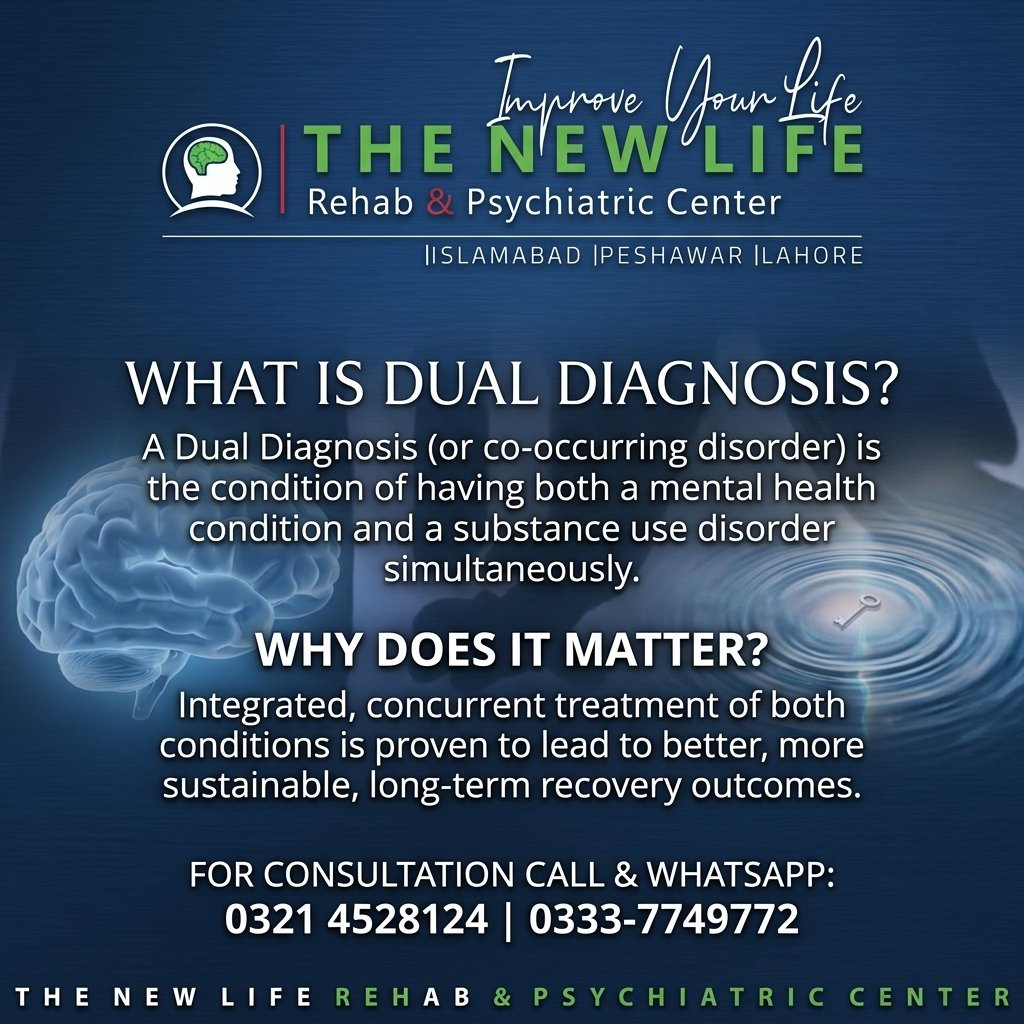
What Is Dual Diagnosis?
Dual diagnosis refers to the presence of a substance-use disorder alongside a mental health condition. These conditions may develop independently, or one may influence the symptoms of the other.
For example, a person experiencing significant anxiety may begin using alcohol or drugs in an attempt to cope with uncomfortable emotions. In another situation, prolonged substance use may contribute to changes in mood, sleep, behavior, or psychological functioning.
Common combinations can include:
- Depression and alcohol or drug addiction
- Anxiety and substance use
- Trauma-related conditions and addiction
- Bipolar disorder and substance-use disorders
- Other mood or behavioral difficulties occurring alongside addiction
Not every emotional symptom experienced during substance use represents a separate mental health disorder. Professional assessment is therefore important for understanding the underlying situation.
Why Does Dual Diagnosis Matter?
Dual diagnosis matters because addiction and mental health conditions can influence each other. If treatment focuses exclusively on substance use while overlooking significant psychological concerns, the individual may continue to experience difficulties that affect recovery.
Similarly, treating a mental health condition without addressing problematic substance use may not provide the comprehensive support the person needs.
An integrated treatment approach can consider both areas together and help professionals develop a more appropriate plan.
At The New Life Rehab & Psychiatric Center Islamabad, Pakistan, individualized care can take into account addiction-related concerns as well as psychological and emotional difficulties.
Recognizing Possible Signs
The symptoms of dual diagnosis vary considerably. Some individuals may show obvious changes in behavior, while others may hide emotional difficulties from family members and healthcare professionals.
Possible signs can include:
- Persistent sadness or loss of interest
- Excessive worry or fear
- Major changes in sleep or appetite
- Irritability or emotional instability
- Increasing social withdrawal
- Difficulty managing everyday responsibilities
- Repeated substance use despite negative consequences
- Using substances to cope with difficult emotions
- Changes in behavior or relationships
These signs do not automatically confirm a dual diagnosis. They indicate that professional assessment may be worthwhile when symptoms are persistent or disruptive.
How Dual Diagnosis Is Assessed
Assessment is an important part of co-occurring disorder treatment. Healthcare professionals may ask about substance use, mental health symptoms, medical history, family circumstances, previous treatment, medications, and changes in behavior.
The timing of symptoms can also be important. Some psychological symptoms may be caused or intensified by intoxication or withdrawal, while others may continue independently of substance use.
A thorough assessment helps professionals distinguish between these possibilities and determine what type of support may be appropriate.
Integrated Mental Health and Addiction Treatment
A comprehensive dual diagnosis treatment plan may address both conditions instead of treating them as completely separate problems.
Depending on individual needs, treatment may involve:
- Psychiatric assessment
- Individual counseling
- Cognitive Behavioral Therapy (CBT)
- Addiction treatment
- Medication management when clinically appropriate
- Relapse prevention
- Family support
- Stress-management and coping strategies
- Continuing-care planning
The specific combination of services should depend on the individual’s symptoms, diagnosis, substance-use history, health, and treatment goals.
The Role of Counseling
Counseling can be particularly valuable for people experiencing co-occurring conditions. It can provide a structured setting for exploring emotional difficulties, substance-use patterns, triggers, relationships, and coping mechanisms.
CBT may help individuals recognize connections between thoughts, emotions, and behaviors. Other therapeutic approaches may also be considered depending on the person’s circumstances.
The objective is not simply to stop substance use but to help the individual develop healthier ways of managing difficult emotions and situations.
Medication and Psychiatric Support
Some people with dual diagnosis may benefit from psychiatric medication. Medication decisions should always be based on professional assessment and individual clinical needs.
A psychiatrist may evaluate symptoms, existing medications, substance-use history, and other health factors before recommending treatment. Medication may be combined with psychotherapy and addiction-focused interventions when appropriate.
Individuals should not start, stop, or change psychiatric medication without professional guidance.
Family Support in Dual Diagnosis Recovery
Dual diagnosis can be confusing for family members. They may recognize changes in a loved one’s behavior without understanding whether the underlying problem is addiction, mental health, or both.
Family education can help relatives understand co-occurring conditions and learn healthier ways to provide support. Appropriate family involvement may also improve communication and encourage treatment participation.
At the same time, families need boundaries. Supporting recovery does not mean taking complete responsibility for another person’s treatment.
Relapse Prevention and Long-Term Recovery
People with co-occurring mental health and substance-use conditions may benefit from a relapse prevention plan that considers both areas.
For example, emotional distress may become a trigger for substance use. Recognizing early warning signs and having healthy coping strategies available can help individuals respond differently to difficult situations.
Continuing counseling, mental health support, family involvement, healthy routines, and follow-up care may all form part of long-term recovery.
Frequently Asked Questions
1. What is a dual diagnosis?
Dual diagnosis describes the presence of a substance-use disorder and a mental health condition in the same individual. These conditions can interact with one another and may require an integrated treatment approach.
2. What mental health conditions can occur with addiction?
Addiction can occur alongside several mental health conditions, including depression, anxiety disorders, trauma-related conditions, bipolar disorder, and other psychological or behavioral difficulties.
3. Can substance use cause mental health symptoms?
Yes. Certain substances, intoxication, withdrawal, and prolonged substance use can cause or worsen psychological symptoms. Professional assessment can help determine whether symptoms are substance-related or represent a separate mental health condition.
4. Can dual diagnosis be treated?
Yes. Treatment can address both substance use and mental health concerns. Depending on individual needs, this may include counseling, behavioral therapy, psychiatric care, medication when appropriate, relapse prevention, and continuing support.
5. Why is integrated treatment important for dual diagnosis?
Integrated treatment considers addiction and mental health concerns together. This can help identify connections between the two conditions and create a more comprehensive and individualized recovery plan.
Conclusion
Dual diagnosis is important because addiction and mental health conditions can influence one another and create additional challenges during recovery. Recognizing both concerns allows treatment professionals to look beyond substance use alone and consider the psychological factors that may affect a person’s well-being.
At The New Life Rehab & Psychiatric Center Islamabad, Pakistan, an individualized approach can help address addiction alongside relevant mental health concerns. Through appropriate assessment, counseling, psychiatric support, relapse prevention, family involvement, and continuing care, individuals can receive support that considers the broader needs of their recovery.