Mental Health Treatment in Islamabad, Pakistan has become increasingly important as awareness about emotional well-being, psychological disorders, and behavioral health continues to grow. Mental health plays a vital role in every aspect of life, influencing how individuals think, feel, behave, and interact with others. When mental health conditions go untreated, they can significantly affect relationships, work performance, physical health, and overall quality of life.
In recent years, the demand for professional mental health services in Pakistan has increased as more people recognize the importance of early diagnosis, therapy, and psychiatric care. The New Life Rehab & Psychiatric Center Islamabad, Pakistan focuses on supporting individuals dealing with mental health challenges through structured care, clinical evaluation, and evidence-based treatment approaches.
Understanding Mental Health Treatment in Islamabad, Pakistan
Mental health treatment refers to professional care designed to help individuals manage emotional, psychological, and behavioral disorders. These conditions can range from mild stress and anxiety to more complex psychiatric disorders.
Mental health concerns may affect people of all ages and backgrounds. Common conditions requiring professional support include:
- Depression
- Anxiety disorders
- Panic attacks
- Bipolar disorder
- Post-traumatic stress disorder (PTSD)
- Obsessive-compulsive disorder (OCD)
- Schizophrenia
- Personality disorders
- Sleep disorders
- Substance-induced mental health conditions
Seeking Mental Health Treatment in Islamabad, Pakistan can help individuals better understand their symptoms, improve coping mechanisms, and work toward emotional stability.
Common Signs That Professional Mental Health Treatment May Be Needed
Mental health conditions can present differently from person to person. Some warning signs may indicate the need for professional assessment:
Emotional Symptoms
- Persistent sadness or low mood
- Excessive worry or fear
- Irritability and anger
- Feelings of hopelessness
- Mood swings
- Emotional numbness
Behavioral Symptoms
- Social withdrawal
- Loss of interest in daily activities
- Changes in sleep patterns
- Difficulty managing responsibilities
- Increased substance use
- Self-isolation
Cognitive Symptoms
- Difficulty concentrating
- Confusion or racing thoughts
- Memory problems
- Negative thinking patterns
- Difficulty making decisions
Recognizing these symptoms early can support timely intervention and improve overall well-being.
Causes of Mental Health Conditions

Mental health disorders often result from multiple contributing factors. Understanding these causes can support better treatment planning.
Biological Factors
Genetics, hormonal imbalances, and brain chemistry may influence mental health.
Psychological Factors
Past trauma, unresolved emotional pain, and chronic stress can contribute to emotional difficulties.
Environmental Factors
Family conflict, financial stress, workplace pressure, social isolation, and life-changing events can impact mental well-being.
Substance Use
Drug and alcohol misuse can worsen or trigger mental health symptoms, making dual-diagnosis treatment important for some individuals.
Types of Mental Health Treatment Available
Effective Mental Health Treatment in Islamabad, Pakistan often involves a combination of therapeutic and medical interventions based on the individual’s condition.
Psychiatric Evaluation
A psychiatric assessment helps identify symptoms, diagnose conditions, and develop a personalized treatment plan.
Individual Counseling
One-on-one counseling allows individuals to explore emotional challenges, identify triggers, and develop healthier coping strategies.
Cognitive Behavioral Therapy (CBT)
CBT is one of the most effective evidence-based therapies for conditions such as depression, anxiety, trauma, and stress-related disorders. It helps individuals challenge negative thought patterns and improve behavioral responses.
Medication Management
For some mental health conditions, psychiatric medication may be recommended as part of a broader treatment plan under professional supervision.
Family Counseling
Family support can be an important part of recovery. Family therapy helps improve communication, understanding, and emotional support.
At The New Life Rehab & Psychiatric Center Islamabad, Pakistan, mental health care may involve a combination of these treatment methods depending on the individual’s clinical needs.
Mental Health and Addiction: The Connection
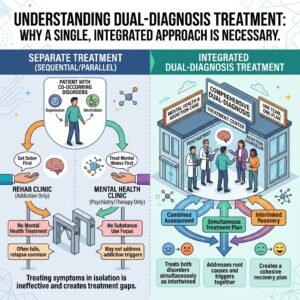
Mental health disorders and substance use often occur together. This is commonly known as dual diagnosis. Individuals may use drugs or alcohol to cope with anxiety, depression, trauma, or emotional pain, which can worsen their mental health over time.
Integrated treatment that addresses both mental health and addiction can help improve long-term outcomes and support healthier recovery.
The Importance of Early Intervention
Early intervention plays a significant role in managing mental health conditions. Untreated symptoms may become more severe and affect multiple areas of life.
Benefits of seeking early mental health support include:
- Improved emotional regulation
- Better relationships
- Reduced stress levels
- Enhanced productivity
- Healthier coping skills
- Better long-term management
Seeking help early does not mean weakness. It reflects awareness and responsibility toward personal well-being.
Building Long-Term Mental Wellness
Recovery from mental health challenges is often a gradual process. Long-term mental wellness involves more than treatment alone.
Important strategies include:
- Maintaining regular therapy sessions
- Building healthy routines
- Practicing stress management
- Improving sleep hygiene
- Staying physically active
- Developing strong support systems
- Avoiding harmful coping mechanisms
Mental wellness is a lifelong journey that benefits from consistency, patience, and professional guidance.
Frequently Asked Questions (FAQs)
1. When should I seek mental health treatment?
You should consider professional help if emotional distress, anxiety, depression, or behavioral changes begin affecting your daily life, relationships, or work.
2. Can mental health conditions be treated effectively?
Many mental health conditions can be managed through therapy, counseling, medication, and lifestyle adjustments based on individual needs.
3. What is Cognitive Behavioral Therapy (CBT)?
CBT is a structured therapy that helps individuals identify negative thought patterns and replace them with healthier ways of thinking and behaving.
4. Can addiction affect mental health?
Yes. Substance use can contribute to or worsen mental health symptoms, which is why integrated treatment may be important.
5. Is mental health treatment confidential?
Professional mental health treatment is generally confidential and designed to provide a safe space for individuals to discuss their concerns.
Conclusion
Mental Health Treatment in Islamabad, Pakistan continues to play an essential role in helping individuals manage emotional, psychological, and behavioral challenges. With growing awareness and better access to psychiatric care, counseling, and therapy, more people are seeking support for their mental well-being. Mental health conditions can affect anyone, but early intervention, professional assessment, and personalized care can make a meaningful difference. The New Life Rehab & Psychiatric Center Islamabad, Pakistan understands the importance of comprehensive mental health care and supports individuals through evidence-based treatment, emotional guidance, and long-term recovery planning aimed at improving overall quality of life.